
 Caleb Turner

For stubborn stains on your furniture, a simple mixture of warm water and a few drops of mild soap works wonders. Dampen a soft cloth with this solution and gently wipe the affected areas. Avoid soaking the wood; excess moisture can lead to warping.
To restore the natural shine of your items, I recommend using a natural beeswax polish. Apply a small amount using a clean, soft cloth, then buff the surface lightly. This not only enhances the appearance but also provides a protective layer against future marks.
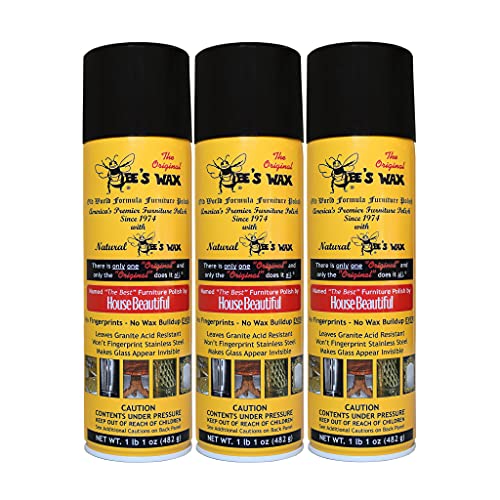


Regular dusting with a microfiber cloth is key to maintaining a dust-free environment. This type of cloth traps dust effectively without scratching the surface. I also suggest establishing a schedule–weekly dusting can prevent buildup and keep your pieces looking fresh.
For deeper cleanings, a solution of equal parts vinegar and water can effectively remove grime without damaging the finish. Make sure to apply it lightly with a cloth and wipe with a dry cloth afterward to prevent moisture absorption.
Lastly, consider the placement of your items. Keeping them away from direct sunlight and heat sources will help maintain their color and integrity over time. Positioning in a climate-controlled environment can prevent unnecessary wear and tear.
Cleaning IKEA Wood Items
Use a soft, microfiber cloth for dusting surfaces regularly. This prevents the buildup of dirt and grime.
For deeper stains, I combine equal parts of white vinegar and olive oil. I apply this mixture with a soft cloth, gently rubbing in the direction of the grain before buffing with a dry section of the cloth.
Spot Treatment
For sticky residues, a damp cloth with a few drops of dish soap works wonders:
- Moisten the cloth, ensuring it is not dripping wet.
- Wipe the affected area gently.
- Use another dry cloth to remove any soap residue.
Maintenance Tips
To maintain luster:
- Avoid exposing surfaces to direct sunlight.
- Keep heat sources, like radiators, away from the items.
- Reapply a furniture polish or wax every 6 months to protect the finish.
Choosing the Right Cleaning Supplies for IKEA Wood
Selecting appropriate products is crucial for maintaining the integrity of your wooden pieces. I recommend using a microfiber cloth for dusting, as it effectively traps dirt without scratching surfaces. For deeper cleaning, a gentle soap-based solution mixed with water provides a safe approach. Always ensure the soap is free of harsh chemicals and fragrances to avoid damage.
Natural Alternatives
Consider using natural ingredients like vinegar and olive oil. A mixture of equal parts can effectively clean and condition the surface without harmful effects. This combination not only cleans but also adds a subtle shine. Always test any solution on a hidden area before widespread application to ensure it doesn’t react negatively with the finish.
Avoiding Harmful Products
Steer clear of abrasive cleaners, bleach, or ammonia, as these can strip the finish and damage the material. It’s also wise to avoid products that contain wax, as they can build up over time and dull the surface. Instead, opt for pH-balanced or specially formulated options designed for treated timber.
Preparing Your IKEA Wood Furniture for Cleaning
Before beginning the maintenance routine, I ensure that my pieces are completely free from any items that could obstruct access, such as decorative pieces or electronics. I always examine the surfaces for any sticky residues or debris that could scratch during the process.
I recommend gathering a soft microfiber cloth for dust removal, as it won’t leave scratches. If there are any stubborn areas, I sometimes use a wooden stick or a soft brush to reach into crevices where dust accumulates.
Assess the Finish
Determining the finish is critical. I check if the item is treated with varnish, oil, or lacquer. This information informs me on the appropriate agents to use for maintaining the finish without causing damage.
Remove Loose Parts
If the design includes detachable sections or hardware, I take the time to remove these components to prevent any potential damage. This step also allows better access to all surfaces that require attention.
By carefully preparing my pieces, I set the stage for a thorough and safe cleaning experience, ensuring that all surfaces receive the care they need without risking harm.
Remove Stains from IKEA Surfaces
To tackle stains on surfaces from the popular brand, I recommend acting quickly. For water rings, gently rub a soft cloth with a mixture of equal parts vinegar and olive oil. Wipe in the direction of the grain for the best results.
For ink marks, apply rubbing alcohol to a cotton ball and dab the area. Ensure you don’t soak the wood; a light touch is sufficient. Follow up by wiping with a damp cloth and then dry thoroughly.
Grease stains require a different approach; sprinkle baking soda over the area and let it sit for about 15 minutes. Use a soft brush or cloth to scrub gently and remove the residue. Rinse with a slightly damp cloth afterward.
Charcoal or crayon marks can be lifted with a mixture of toothpaste and baking soda. Apply gently with a soft cloth and rinse away. This method is non-abrasive and safe for most finishes.
For deeper stains, consider using a commercial wood cleaner specifically designed for removal. Apply a small amount to a cloth and buff the affected area. Always test any product on a hidden spot first to ensure compatibility with the finish.
After any treatment, it’s wise to restore moisture to the surface. A light application of a wood conditioner can maintain luster and provide protection against future stains.
Best Practices for Dusting IKEA Wood Furniture
I prefer using a microfiber cloth for wiping surfaces. Its unique texture captures dust effectively without scratching finishes. I dampen the cloth slightly with water for better results, ensuring that excess moisture isn’t left on the surface.
For intricate details or hard-to-reach areas, a soft-bristle brush serves well. This allows for thorough dust removal without risking damage to delicate components.
Timing matters; I find it most effective to dust surfaces weekly. This routine helps prevent dust accumulation and keeps pieces looking fresh. On particularly windy days or in dusty environments, I make it a point to check more frequently.
In addition, I’ve noticed that dust tends to gather more on horizontal surfaces. I focus on these areas first but always remember to check vertical surfaces and crevices as well.
To enhance the process, a natural cotton cloth can be used for a final wipe, adding a touch of shine. This also provides an opportunity to inspect for any signs of wear or potential damage.
Lastly, incorporating a no-shoes policy in areas with wooden elements minimizes tracked-in dirt, prolonging the cleanliness of my pieces.
Using Natural Ingredients for Caring for Wood Surfaces
Opt for a mixture of vinegar and olive oil as a powerful yet gentle alternative to commercial cleaners. Combine 1 part vinegar with 3 parts olive oil in a spray bottle, shake well, and apply to a cloth before wiping surfaces. This blend removes grime and adds shine.
Baking Soda for Stain Removal
Baking soda acts as a mild abrasive, perfect for tackling stubborn stains. Create a paste with water and apply it directly to the stain. Let it sit for a few minutes before gently rubbing with a soft cloth, rinsing with a damp cloth afterward.
Essential Oils for Freshness
Add essential oils, like lemon or lavender, to your cleaning mixtures for a pleasant aroma. Just a few drops in your vinegar and olive oil solution will enhance the experience and leave a refreshing scent behind.
| Natural Ingredient | Benefit | Usage |
|---|---|---|
| Vinegar | Removes grime | Mix with olive oil |
| Olive Oil | Shines surfaces | Mix with vinegar |
| Baking Soda | Stain remover | Make a paste with water |
| Essential Oils | Adds fragrance | Mix in cleaning solutions |
Preventing Damage While Cleaning IKEA Wood Furniture
Always test any cleaning solution on a hidden area before applying it to visible surfaces. This helps identify potential adverse reactions, such as discoloration or warping.
Use a soft, lint-free cloth for dusting and cleaning, which minimizes the risk of scratching the finish. Avoid abrasive pads or sponges that can leave marks.
Keep moisture exposure to a minimum. When using cleaning solutions, dampen the cloth rather than applying liquid directly to the surface. This prevents water from seeping into joints and causing swelling.
Do not use harsh chemicals or cleaners that contain alcohol or ammonia. These ingredients can strip away protective coatings and lead to deterioration over time.
Avoid direct sunlight during the cleaning process. Sunlight can alter the color of wood surfaces and weaken their integrity. Work in a shaded area to maintain optimal conditions.
Maintain proper airflow while cleaning. Stale air can encourage the growth of mold or mildew if any moisture is trapped beneath surfaces, so ensure the environment is well-ventilated.
Store cleaning products safely and securely. Double-check that lids are tightly closed to prevent spills that could damage surfaces.
Regularly inspect your pieces for signs of wear. Address issues like scratches or dents promptly to prevent further damage and maintain their beauty.
Maintaining the Finish of IKEA Wood Furniture
Apply a high-quality furniture wax every six months to enhance the sheen and protect the surface. This not only preserves the finish but also provides a barrier against everyday wear.
Regularly inspect for scratches or marks. Use a matching wood repair marker or crayon to touch up any damaged areas immediately to prevent further deterioration.
Once a week, dust with a soft microfiber cloth to avoid the accumulation of dust particles that can dull the finish. Always wipe in the direction of the grain to avoid scratches.
- Avoid using excess water; instead, dampen the cloth slightly for any necessary cleaning.
- For high-traffic pieces, consider applying a furniture polish designed for finishes to add a protective coat.
- Keep items from direct sunlight to prevent fading over time.
Store away or cover the surface when not in use for extended periods. This minimizes exposure to dust and potential damage.
For deeper maintenance, consider a professional re-finishing service every few years to restore the original look and luster.


