
 Caleb Turner

Applying a mixture of natural oils, such as linseed or tung oil, can be a simple yet effective way to enhance the durability of timber surfaces. These oils penetrate deep into the grain, providing hydration and creating a barrier against moisture. As a bonus, they also enhance the aesthetic appeal with a rich, warm finish.
Regular maintenance is key in extending the lifespan of your cherished items. A combination of vinegar and olive oil serves as an excellent cleaning solution that effectively removes dust and grime while nourishing the surface. This safe concoction not only avoids toxic substances but also invigorates the natural luster of the wood.
Additionally, using beeswax can offer a protective layer, preventing scratches and enhancing shine. Simply melt the wax and apply a thin layer to the surface. This natural option seals the wood, ensuring that its beauty endures without the need for synthetic products.
Choosing Natural Oils for Wood Preservation
I recommend using oils such as tung oil, linseed oil, and walnut oil for maintaining and enhancing the natural beauty of surfaces crafted from timber. Each offers unique properties, ensuring diverse applications depending on your needs.
Tung Oil
- Derived from the seeds of the tung tree, this oil is both water-resistant and protects against mildew.
- When cured, it forms a hard, durable finish that can withstand wear.
- It penetrates deeply, enhancing the grain while offering a natural sheen.
Linseed Oil
- Extracted from flax seeds, this oil provides excellent moisture resistance.
- It’s often combined with natural dryers to accelerate curing time, making it suitable for those seeking quicker results.
- It can darken wood slightly, which some may find appealing.
Walnut oil is another excellent option, especially for food-safe applications, as it’s non-toxic. It nourishes the material and reinforces its strength and luster.
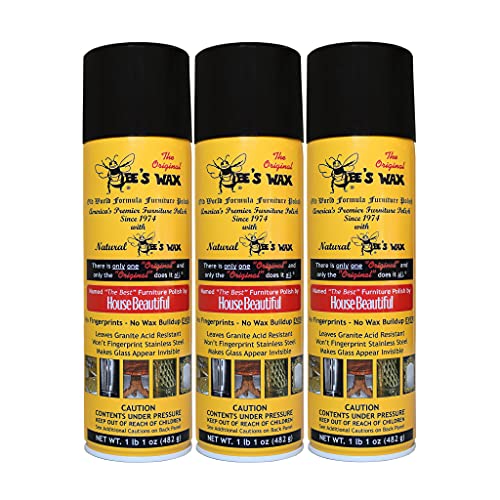


Ensure to apply these substances with a clean cloth, working along the grain, and allow ample drying time between coats for optimal results. Regular maintenance keeps surfaces looking great and extends longevity.
Using Beeswax to Enhance Wood Durability
I recommend applying a beeswax mixture to elevate the resilience of your wooden pieces. Combining beeswax with a natural oil, such as olive or coconut oil, creates a nourishing blend that not only beautifies but also reinforces the structure against daily wear.
To make this mixture, melt approximately one part beeswax to four parts oil in a double boiler. Stir thoroughly until the blend is uniform, then let it cool slightly before application. A clean cloth or soft brush can help to evenly distribute the mixture across the surface.
For application, work in small sections to ensure even coverage. I prefer to apply it in a circular motion, which helps the wax penetrate the wood. After applying, allow it to sit for about 15 to 20 minutes before buffing with a clean cloth. This process enhances the natural grain and provides a protective layer that repels moisture.
Regular maintenance with this beeswax solution is advisable; a reapplication every few months will keep the surface hydrated and looking fresh. If you notice any dullness, simply repeat the process to renew the shine and integrity of your wooden treasures.
Beeswax not only improves durability but also acts as a natural barrier against dust and stains, making it a practical choice for everyday care. By opting for this method, I avoid the complications associated with synthetic options while ensuring my wooden items remain beautiful and long-lasting.
Homemade Wood Polish Recipes with Simple Ingredients
I recommend mixing equal parts of olive oil and vinegar to create a natural polish. This combination not only nourishes but also adds a lovely shine. Apply it using a soft cloth, ensuring even coverage.
Coconut Oil and Lemon Juice Blend
For a refreshing scent and extra nourishment, I blend 1 cup of coconut oil with 1/2 cup of lemon juice. It effectively hydrates and brings out the grain, providing a protective layer while imparting a pleasant aroma.
Simple Beeswax and Oil Mixture
A mixture of beeswax (1 part) and any carrier oil (3 parts) can create a sturdy polish. Melt the beeswax, then stir in the heated oil until combined. As it cools, this blend forms a durable finish that enhances the natural beauty of the surface.
Maintaining Humidity Levels to Prevent Wood Damage
I recommend keeping indoor humidity levels between 30% and 50% to ensure the longevity of my pieces. Using a hygrometer helps monitor these levels accurately. When outside conditions change, I adjust using humidifiers or dehumidifiers as needed. This keeps my treasures from warping or cracking.
Seasonal Adjustments
During winter, I find that heating systems can lower humidity drastically. Adding a humidifier to central heating systems or placing water-filled containers near heat sources can help increase moisture. In contrast, summer often brings higher humidity. Ventilation or dehumidifiers become crucial during this time to maintain a balanced environment.
Avoiding Direct Sunlight
To further limit potential damage, I make a point of positioning my important items away from direct sunlight. Sun exposure can strip moisture and fade finishes, leading to a dull appearance. Using curtains or blinds to filter light protects the surfaces while allowing natural brightness into the room.
Cleaning Wooden Surfaces with Vinegar and Olive Oil
I recommend creating a simple cleaning solution using vinegar and olive oil. Mix one part white vinegar with two parts olive oil in a spray bottle. Shake well before use. This blend not only cleans but also forms a protective layer against dust and grime.
To apply, lightly spray the solution onto a soft cloth, then wipe the surface in the direction of the grain. Avoid saturating the wood; a little goes a long way. Afterward, use a dry cloth to buff the surface, enhancing shine and restoring natural luster.
It’s also effective for removing fingerprints and smudges. For stubborn stains, let the mixture sit for a few minutes before wiping it away. Test the solution on an inconspicuous area first to ensure compatibility with your specific finish.
For maintenance, clean surfaces every few weeks. This prevents buildup while keeping the finish vibrant. Store unused solution in a cool, dark place to prolong its effectiveness.
| Ingredient | Purpose |
|---|---|
| White Vinegar | Natural cleaner that removes stains and disinfects. |
| Olive Oil | Conditioner providing a protective barrier and shine. |
Combining these ingredients offers a natural method to maintain and refresh those surfaces, ensuring they remain beautiful and inviting.
Applying Natural Stains for Aesthetic and Protection
I recommend utilizing natural stains derived from plants, nuts, and fruits to enhance the appearance of your surfaces while providing a layer of safeguarding. These stains can enrich the grain and bring out the unique characteristics of each piece. Options such as walnut hulls, beet juice, or strong coffee can serve as excellent dyes, allowing customization based on the desired hue.
Creating a Walnut Hull Stain
To create a walnut hull stain, gather a handful of the hulls and steep them in hot water for several hours. Strain the liquid and apply it to the surface using a soft cloth. This method produces a rich brown tone, deepening with each application. Allow it to fully dry before adding a topcoat of natural oil for extra protection.
Using Coffee for a Deeper Color
Brewing a strong pot of coffee provides another option for adding a dark tint. Once cooled, apply the coffee using a sponge or brush, ensuring even coverage. This technique not only colors the surface but imparts a pleasant aroma. Following the drying time, consider sealing it with natural oils, enhancing durability while maintaining an organic finish.
Covering Furniture with Protective Cloths and Pads
Using protective cloths and pads is a practical strategy for safeguarding surfaces from scratches, spills, and environmental damage. Here are key recommendations:
- Opt for breathable materials such as cotton or linen that allow air circulation while providing a barrier against dust and moisture.
- Choose thick padding for areas prone to heavy use, like table tops and seating. This adds an extra layer of defense against impacts.
- Ensure that any covering is machine washable or easy to clean. This makes maintenance straightforward and extends the lifespan of your protective layers.
Types of Protective Covers
Different types of covers serve various purposes. Consider the following options:
- Tablecloths: Ideal for dining surfaces, these can be elegant and functional, absorbing spills immediately.
- Slipcovers: Perfect for chairs and sofas, they can be easily removed and refreshed, protecting upholstery from wear and tear.
- Furniture Pads: Placing these under items like vases or electronics can prevent scratching on delicate surfaces.
Investing in quality covers ensures long-term preservation for valuable pieces, keeping them looking new for years. Regularly replace or wash these items to maintain their efficacy and cleanliness.
Avoiding Sun Damage Through Strategic Placement
Position pieces away from direct sunlight to minimize fading and deterioration. Choose corners or areas with indirect light. Use sheer curtains or blinds to diffuse sunshine while still allowing light to filter through.
Regularly rotate items to ensure even exposure to sunlight. This helps maintain uniform color and reduces the risk of uneven fading. If possible, consider using furniture covers that block UV rays during extended periods of non-use.
Placing large plants or decorative screens can serve as natural barriers against harsh rays. Ensure that the environment maintains a consistent temperature, as fluctuating conditions can exacerbate sun damage.
I also recommend checking your pieces periodically for any signs of wear caused by sunlight. If fading occurs, prompt action, such as reapplying protective treatments, can extend their lifespan significantly.
In conclusion, creating thoughtful placements and using natural barriers effectively shields surfaces from the damaging effects of sunlight while maintaining their aesthetic appeal.


