
 Caleb Turner

The first step in recognizing your desired interior theme is to examine the key characteristics of various designs. Focus on elements such as shape, color palette, materials, and patterns. For instance, if you’re attracted to straight lines, neutral colors, and minimal ornamentation, you might appreciate a modern look. On the other hand, if you find yourself drawn to intricate details and rich colors, a traditional approach may be more your taste.
Next, create a mood board that showcases pieces that resonate with you. Collect images from magazines, websites, or even photographs of spaces that inspire you. Pay attention to recurring themes; this will help clarify what truly appeals to your sensibilities. The visual cues can guide your understanding of different approaches and what elements stand out.
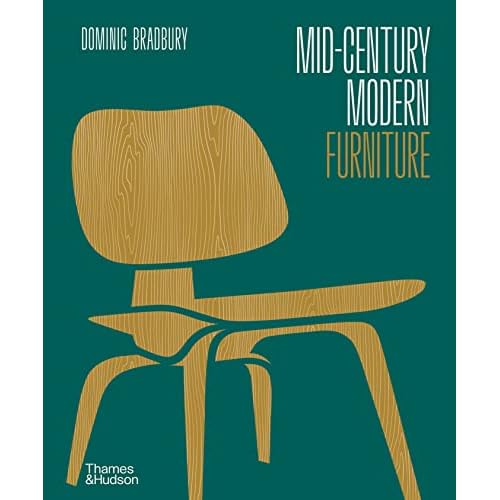

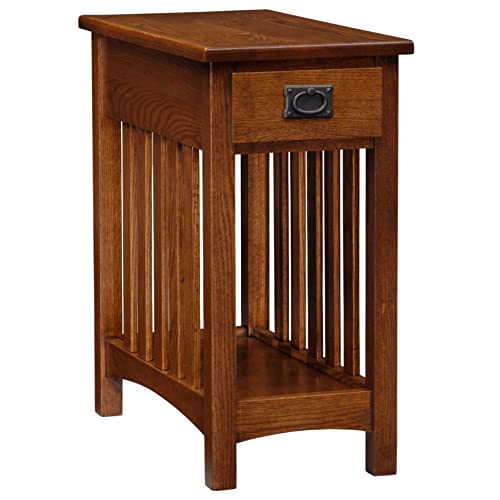

Visiting local furniture showrooms or design fairs can provide firsthand experience with different aesthetics. Observe how materials feel and how colors interact in various lighting conditions. Take notes on what elements captivate you in each setting, aiding your classification process. This tangible interaction can further inform your selection.
The final stage involves narrowing down your picks based on function and personal taste. Consider how each piece aligns with your lifestyle and the atmosphere you want to cultivate in your space. By evaluating both form and function, you’ll establish a cohesive vision that embodies your unique identity.
Identifying Your Desired Aesthetic
I focus on visual cues and material choices to pinpoint my preferred aesthetic. Observing existing pieces in my space helps to recognize patterns in color palettes, textures, and shapes. I take note of whether I gravitate towards sleek lines or ornate details, warm woods, or cool metals.
Color Analysis
Next, I examine the color schemes that resonate with me. I create a mood board using swatches or digital images to see how different hues work together. A cohesive palette can hint at specific design trends like minimalist, bohemian, or industrial inspirations.
Researching Historical Context
Exploring historical movements enhances my understanding of different designs. I delve into periods such as mid-century modern or Art Deco to grasp their defining characteristics. This knowledge helps me recognize shapes, forms, and materials that repeat in various eras.
Functional Needs Assessment
Evaluating my living situation dictates practical choices. I consider how the items will serve me daily and what kind of vibe I want to create, whether it’s for relaxation, work, or socializing. Space limitations can steer me towards minimalist aesthetics or multipurpose designs.
Textures and Materials
I pay attention to textures, as they significantly influence the atmosphere. Wood, metal, fabric, and glass all convey different feelings. I experiment with various materials in small accessories prior to committing to larger investments.
Accessories and Accents
Lastly, I play with smaller decor items like cushions, rugs, and art pieces. They can offer insight into my aesthetic preferences and help solidify the larger theme I’m aiming for. Each detail contributes to the overall atmosphere, revealing deeper insights into my design preferences.
Identifying Key Characteristics of Popular Furniture Styles
Examine the materials used in construction. For instance, wood types can point to specific designs: oak and mahogany often signal traditional aesthetics, while metal and glass are staples of modern trends.
Observe the lines and shapes of each piece. Angular, clean lines typically reflect contemporary aesthetics, whereas ornate carvings suggest a classic appeal. Curvy silhouettes often indicate a vintage or art deco influence.
Color Schemes and Patterns
Analyze the color palette. Neutral tones with natural finishes are common in minimalist designs, while bold hues and intricate patterns indicate eclectic or bohemian vibes. Textiles can also reveal a lot; floral prints often align with cottage or country looks.
Functionality and Form
Assess functionality. If a piece serves multiple uses, it may belong to modern or industrial styles, which prioritize practicality. Conversely, specialized pieces like ornate armoires or tufted sofas may lean towards classic or traditional genres.
Pay attention to details such as hardware and embellishments. Antique brass handles often represent vintage styles, while sleek chrome fittings support contemporary motifs. These elements are vital in distinguishing one category from another.
Finally, consider the overall vibe. Environments that feel cozy and inviting usually echo rustic or farmhouse themes, while sleek, uncluttered spaces suggest minimalism.
Using Color Schemes to Narrow Down Furniture Choices
To refine selections, I evaluate color palettes that resonate with my vision for a space. Choosing a primary hue is critical–it guides the entire aesthetic. For instance, a monochromatic scheme with varying shades of blue can evoke tranquility, ideal for bedrooms. Meanwhile, warm colors like reds and yellows can energize social areas.
Accent colors are also pivotal. I pair a dominant shade with complimentary tones that enhance the overall ambiance without overwhelming it. For a natural look, I often mix earthy greens with neutrals, promoting a sense of harmony.
Using a color wheel is invaluable in this process. Analogous colors–those that sit next to each other–ensure cohesion, while contrasting colors can create focal points that draw attention. For instance, pairing deep purple with soft yellows can be striking and dynamic.
Textures play a role too; I select fabrics and finishes that align with my chosen palette. A rich, muted fabric might deepen the sophistication of a space, while lighter textures can keep it airy and inviting.
Lastly, I pay attention to lighting conditions. Natural daylight alters colors, making it necessary to test shades in the intended spot. Swatches at different times of day reveal how they interact with the environment, enabling me to make informed choices.
Analyzing Materials to Determine Furniture Style
To pinpoint the essence of your pieces, I meticulously examine the materials used in their construction. Each element tells a story and can reveal distinct aesthetics.
- Wood Types: The choice of wood can anchor a specific look. Oak and cherry lend a traditional feel, while teak and mahogany hint at luxury and refinement. Pine often suggests a rustic or farmhouse vibe.
- Metals: Steel and iron evoke industrial chic, while brass and bronze may lean towards vintage or retro aesthetics. The finish also influences perception; a matte surface gives a modern edge, while a polished look can feel more ornate.
- Fabrics: Upholstery materials convey mood. Velvet typically hints at elegance, while linen and cotton signal a casual atmosphere. Leather exudes sophistication and durability.
- Composites and Man-Made Materials: Items constructed from engineered wood or laminates often suggest contemporary innovation, appealing to minimalist design sensibilities.
Cross-referencing these materials with the broader context of historical trends aids in recognizing specific influences and intentions behind each piece.
- Finishing Techniques: Distressed or weathered finishes indicate vintage or rustic influences, while clean, smooth surfaces point to a more modern or minimalist approach.
- Eco-Friendly Choices: Utilizing reclaimed or sustainable materials often aligns with contemporary trends focused on environmental consciousness.
One can gain a profound understanding of each item’s identity through a careful consideration of these elements, shaping choices that resonate with personal aesthetics. Observing the tactile qualities and overall craftsmanship solidifies my recognition of the underlying themes and stylistic movements.
Exploring Historical Influences on Furniture Design
Research the key periods of history that shaped interior decor. Each era carries distinct traits reflecting the prevailing cultural, social, and economic conditions.
- Renaissance: Focus on symmetry and proportion. Key materials included dark woods and rich fabrics. Look for intricate carvings and lavish ornamentation.
- Baroque: Intense drama with bold colors and opulence. Curved lines and grand designs are prominent. Assess for gold leaf details and heavy upholstery.
- Victorian: Characterized by eclectic mixes and heavy ornamentation. Identify plush fabrics, intricate patterns, and detailed craftsmanship. Neutral and earthy tones are common.
- Mid-Century Modern: Emphasize simplicity and functionality. Natural colors and organic forms prevail. Materials like plywood and metal are key indicators.
- Industrial: Utilizes raw materials and minimalism. Look for exposed pipes, metal fixtures, and reclaimed wood. This style often embraces an unfinished aesthetic.
Incorporate influences by acknowledging regional variations. For instance, Scandinavian design often embodies minimalistic features focusing on practicality and comfort. Recognize how geography impacts choices and aesthetics.
Engage with design movements like Arts and Crafts, which emphasize handcrafted quality and natural materials. Identifying movement traits can clarify the direction of your selections.
Visit museums, galleries, and historical sites to observe firsthand the evolution of designs. Photographs and samples can enrich personal collections or inspire contemporary adaptations.
Lastly, consider the impact of modern technology on classic forms. Innovations in materials and manufacturing processes can offer contemporary interpretations while still resonating with historical narratives.
Examining Shapes and Silhouettes in Furniture Styles
To identify a specific piece or collection, I focus on distinct forms and outlines. Each type has unique characteristics that signal its origin and aesthetic. For example, mid-century modern pieces often feature sleek, straight lines combined with gentle curves, evoking a sense of simplicity and functionality.
Key Shape Indicators
When assessing outlines, consider the following:
| Form | Description | Typical Styles |
|---|---|---|
| Angular | Sharp edges and geometric designs. | Modernist, Industrial |
| Curvilinear | Soft, rounded edges and flowing shapes. | Art Nouveau, Rococo |
| Boxy | Rectangular forms that emphasize function. | Minimalist, Urban Contemporary |
| Organic | Shapes inspired by nature, often asymmetrical. | Bohemian, Eco-Friendly Designs |
Understanding Silhouettes
The profile of a piece can reveal much about its intended purpose. Traditional designs frequently incorporate ornate curves and rich decor, evoking classic elegance. In contrast, contemporary figures often lack embellishments, promoting an uncluttered aesthetic that aligns with modern preferences. A low silhouette could imply casual lounging, typically seen in contemporary or informal settings.
By concentrating on these aspects, I can easily discern which category a particular item fits into. Recognizing how the aesthetic intent aligns with shape and outline allows for more precise selection, making any space feel cohesive and thoughtfully designed.
Assessing Functionality to Inform Style Selection
Prioritize the purpose of each piece within your space. For instance, if a sofa will be the focal point for entertaining guests, opt for an inviting, comfortable design with ample seating. Conversely, if the item serves primarily as a workspace, consider a minimalist approach that offers efficiency and practicality.
Consider the Space
Evaluate the dimensions and layout of your environment. Large, ornate pieces may overwhelm a compact area, whereas sleek, streamlined options can enhance a small room’s perceived space. Assess traffic flow and avoid bulky items in pathways.
Functionality also extends to storage needs; multifunctional items, such as ottomans with hidden compartments or coffee tables that double as workspaces, can maximize utility without compromising on aesthetics.
Match the Lifestyle
Reflect on daily activities. For households with children or pets, select durable materials that withstand wear while maintaining aesthetic appeal. On the other hand, a formal setting might call for refined finishes and sophisticated lines. Consider how frequently you entertain, engage in hobbies, or require flexible arrangements to tailor your selection effectively.
Incorporate the distinct atmosphere you wish to cultivate; a calming, serene ambiance may benefit from soft, rounded shapes and neutral colors, while a lively space might inspire bold patterns and eclectic forms.
By aligning the practical demands with your vision, make informed choices that elevate both function and form in your living space.
Combining Styles: Tips for a Cohesive Look
Mixing different aesthetics can create an engaging and personalized space. To achieve harmony, select a unifying element, such as a common color or texture, to link various pieces. For instance, if you have a rustic table, consider adding modern chairs in a similar wood tone or color to maintain cohesion.
Establish a Dominant Theme
Choose one main aesthetic to anchor the room. This acts as the foundation upon which you build with complementary elements. Is the focus more on contemporary minimalism or vintage charm? Let your primary inspiration guide secondary choices.
Balance Scale and Proportions
Pay attention to the size of each item. Mixing a large, bold sofa with delicate side tables can create an eye-catching contrast. Ensure that the proportions of the key elements support each other to prevent visual chaos. A proper balance enhances the overall appeal and ensures that no piece overpowers another.
Incorporating various influences can enrich a space. By adhering to these principles, I can create an inviting atmosphere that feels both intentional and unique, reflecting personal taste while avoiding discord and mismatch.


