
 Caleb Turner

Use a vacuum cleaner with an upholstery attachment to remove dust and debris quickly. Aim to go over the surface thoroughly, paying particular attention to crevices and seams where dirt tends to accumulate.
For stains, identify the type of fabric you’re dealing with. A solution of mild soap and warm water works well on most materials. Dampen a cloth with this mixture and gently blot the affected area, taking care not to oversaturate the fabric.

After treating any spots, allow the material to air dry completely. To restore texture, consider using a soft brush to gently lift the fibers once dry. Regular maintenance will extend the life of your beloved pieces and keep them looking fresh.
Maintaining Soft Surfaces
Vacuum the textiles weekly, using an attachment that can reach crevices. This prevents dirt accumulation and keeps the material fresh.
Spot Treatment
For stains, blot immediately with a clean, dry cloth. Use a mixture of mild detergent and water for tougher marks. Test a small, hidden area first to ensure there’s no discoloration.
Periodic Deep Refreshing
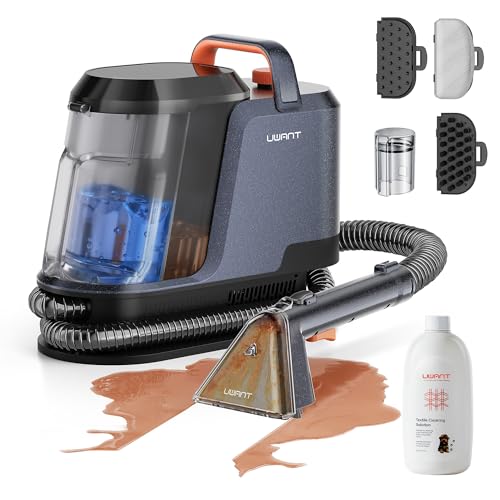
Every few months, consider a deep refresh. Rent or purchase a steam cleaner specifically designed for soft materials. This removes embedded dirt and sanitizes the surface.
| Task | Frequency |
|---|---|
| Vacuuming | Weekly |
| Spot Treatment | As needed |
| Deep Refreshing | Every 3-6 months |
Identify Upholstery Material Before Cleaning
To achieve the best outcome, determine the type of material used on the surface. This step helps to select appropriate cleaning methods and solutions that won’t damage the fabric.
Here’s how to identify different materials:
- Cotton: Often soft and breathable, it may show stains easily. A water-based cleaning solution is generally safe.
- Polyester: This synthetic fabric is durable and resistant to stains. Use mild solvents for spot cleaning.
- Linen: Characterized by its textured feel, it wrinkles easily. Dry-cleaning is recommended to maintain its appearance.
- Leather: Needs special attention, typically requiring a specific leather cleaner and conditioner. Avoid excess water.
- Silk: Delicate and luxurious, it should only be cleaned using a dry cleaning method to prevent damage.
Additionally, check for care labels. They usually provide specific instructions regarding the cleaning process. If no label is present, perform a small spot test with any cleaning agent on an inconspicuous area to observe any adverse reactions.
Once the material is identified, tailor the cleaning approach to its specific properties to ensure a thorough yet gentle treatment.
Gather Necessary Cleaning Supplies and Tools
Before tackling the task, I ensure I have the following items at hand:
- Soft-bristle brush for loosening dirt and debris
- Vacuum cleaner with upholstery attachment to remove loose particles
- Microfiber cloths for applying solutions and drying surfaces
- Spray bottle to mix and dispense cleaning solutions easily
- Baking soda to neutralize odors and lift stains
- Distilled water for mixing solutions without impurities
- Specific cleaning agents suited for the fabric type, such as mild detergent or vinegar
- Bucket for diluting solutions and soaking cloths
Tools to Consider
Extra tools I might find useful include:
- Soft sponge for gentle scrubbing
- Lint roller for removing hair and small particles
- Steam cleaner for deep cleaning, if applicable to the material
- Stain removal pen for quick touch-ups on small areas
Having these supplies ready streamlines the process, making it more manageable and efficient.
Spot Test Cleaning Solutions on a Hidden Area
Before applying any cleaning solution, I always test it on a hidden spot to ensure it won’t cause damage or discoloration. This step is critical, as different materials react uniquely to various agents.
Selecting a Hidden Area
Choose a location that is inconspicuous, such as the underside of a cushion or the back of a piece. Ensure that this area is representative of the overall fabric.
Performing the Test
Apply a small amount of the cleaning solution using a cotton swab or soft cloth. Observe the fabric for a few minutes. Check for any adverse reactions such as discoloration, fading, or texture changes. If no issues arise after the solution dries, you can proceed with cleaning the visible areas.
Use Appropriate Techniques for Different Stains
When tackling specific blemishes, I rely on targeted approaches tailored to each type of stain. For oil-based spots, I sprinkle cornstarch and let it absorb for 30 minutes before brushing it off. Applying a mixture of water and mild dish soap helps remove residue. For ink stains, dabbing with rubbing alcohol on a cloth efficiently lifts the ink without spreading it further.
Food and Drink Stains
For food spills, I quickly blot the excess with a paper towel and mix white vinegar with water. This solution removes the stain without damaging the fabric. For red wine, I immediately pour salt on the spill to absorb the liquid, followed by a club soda rinse to neutralize the stain.
Pet-Related Stains
In the case of pet mishaps, I use an enzymatic cleaner that breaks down odors and stains. Scrubbing gently with a cloth soaked in the solution eliminates lingering scents. If I encounter mud, I let the dried mud harden before brushing off the excess, followed by a damp cloth to finish the job.
By employing these techniques, I effectively tackle various stains while preserving the integrity of the materials. Each approach is vital for maintaining a pristine appearance. Always remember to adjust methods according to the specific fabric type for successful outcomes.
Deep Clean Upholstery with Steam or Shampoo
For a thorough refresh, I opt for steam or shampoo methods, depending on the fabric’s characteristics. Steam is particularly effective on natural fibers, dissolving dirt without excess moisture. I hold the steam cleaner a few inches from the surface, allowing the steam to penetrate while keeping the nozzle moving to prevent water stains.
Using Steam Cleaners
Before starting, I ensure that my steamer is filled with distilled water. This prevents mineral buildup that could damage the material. I make consistent passes over the fabric, focusing on high-traffic areas and spots that attract more grime. After steaming, an absorbent cloth helps to lift any moisture or loosened dirt from the surface.
Shampooing for Synthetic Fabrics
For synthetic materials, I mix a small amount of upholstery shampoo with water in a spray bottle. I lightly mist the solution onto the surface and use a soft-bristled brush in a circular motion. Following the manufacturer’s instructions is crucial to avoid oversaturating the fabric. Afterward, I wipe away any solution residue with a damp cloth, then allow it to air dry completely.
Regular Maintenance Tips to Keep Upholstery Fresh
Frequent vacuuming should be a priority; I use a soft brush attachment to capture dust and debris without damaging the fibers. Aim for at least once a week to remove particles that can cause wear over time.
Incorporating a protective spray can extend the life of textiles. I select sprays designed for specific materials and apply them regularly, creating a barrier against spills and stains.
Immediate attention to spills is crucial. I blot the area with a clean cloth, avoiding rubbing, which can drive the liquid deeper into the fabric.
I rotate cushions periodically to prevent uneven wear. This simple step helps maintain their shape and appearance, ensuring consistent comfort.
Consider removing covers for machine washing, if applicable. I always check labels for care instructions, as some materials may require special handling.
Ensure proper airflow around the pieces to prevent mustiness. Avoid placing items too close to radiators or vents. Regularly airing out cushions can also help maintain freshness.
Don’t forget about seasonal deep cleaning. I schedule a comprehensive refresh at least twice a year, utilizing appropriate methods to rejuvenate the textiles.


