
 Caleb Turner
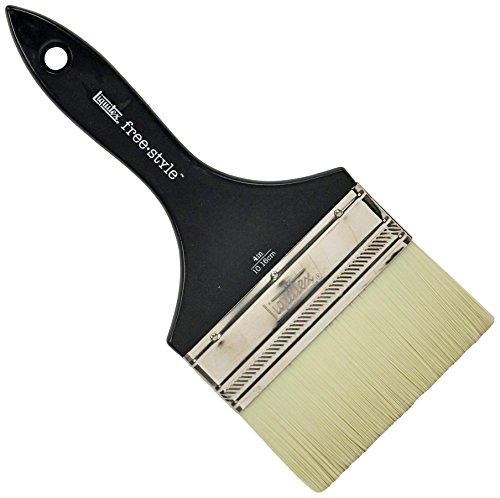
For achieving a beautifully weathered look on your revamped items, utilize a fine-grit sandpaper to lightly rub the edges and corners. This technique quickly reveals the original surface beneath, imparting a charmingly worn appearance.
Next, consider applying a clear wax or a matte finish to enhance the texture. This not only seals your work but also accentuates the areas you’ve distressed, giving more depth to the finish. A soft cloth works wonders for buffing the surface, providing a polished effect that still feels rustic.


Experiment with layered techniques by combining techniques; for instance, using contrasting shades can create an eye-catching effect. By applying a darker color underneath a lighter coat, you can strategically uncover sections for greater visual interest.
Finally, keep in mind that imperfections are part of the charm. Don’t aim for perfection, but rather for a unique character that tells a story. Each piece should reflect your personal touch while resonating with a timeless appeal.
Techniques for Aging a Coated Surface
Apply a finer grit sandpaper to edges and corners, revealing the base material. Focus on areas that would naturally wear over time.
Use a damp cloth to wipe off any dust after sanding, ensuring a clean surface for the next steps.
Consider adding a wax finish for a soft sheen. This can enhance the aged look while providing a subtle protection layer.
For a weathered effect, diluted paint can be brushed on and lightly wiped off, allowing some base color to show through.
Experiment with layering different shades; a top coat in a muted tone can add depth to the finish.
Apply a clear glaze to the surface to create dimension; mix it with a small amount of darker pigment for added richness.
Utilize steel wool for a more pronounced distressed appearance. Rub it gently over the surface to create texture.
Consider strategic placement of marks or nicks using a sharp tool, mimicking the wear that would occur naturally.
Seal your finished piece with a protective topcoat to ensure longevity while maintaining the desired aged appearance.
- Fine grit sandpaper: 220-400 grit recommended.
- Mop water for wiping dust: Avoid excessive moisture.
- Wax: Use a clear or tinted wax, depending on desired outcome.
- Clear glaze: Mix with pigment sparingly for best results.
Choosing the Right Chalk Paint for Distressing
For achieving a beautifully weathered look, I prefer using mineral-based options due to their excellent adhesion and matte finish. Selecting hues with subtle undertones, like muted blues or soft grays, enhances the antiqued appearance.
A flat matte formula is my go-to, as it allows for easier sanding and a natural, worn effect. Always test a small patch on the item first to see how the color performs once distressed. Lighter shades generally highlight the base layer better, while darker colors create a bold contrast.
I also consider the drying time; slower-drying variations permit more time for blending and layering techniques before they set. For durability, I recommend those with a satin finish. This combination looks great when light wear begins to show, adding to the charm.
Do not overlook the importance of quality! Top-tier brands tend to provide better coverage and fewer issues during application, making the entire process smoother. I usually opt for eco-friendly mixes that are less harmful to the environment.
For an extra touch, layering different shades can yield extraordinary results. My favorite method involves applying a lighter base coat followed by a darker top coat, which, when distressed, reveals soft gradients perfect for an antique style.
Preparing Your Furniture for Distressing
Ensure surfaces are clean and free of dust or grease. I use a damp cloth to wipe everything down, followed by a dry towel to eliminate moisture completely. This step guarantees good adhesion for any layers I will apply.
Assess the Surface
Examine the condition thoroughly. If there are scratches, dents, or uneven areas, I take the time to sand them down. A fine-grit sandpaper smooths out imperfections, creating an even base that enhances the overall look. Remember to dust off the debris after sanding.
Apply a Primer
I often apply a coat of primer before introducing the color. This practice helps in sealing the wood and improves the durability of the top layer. Choose a primer suitable for the material being worked on to ensure strong adhesion.
- Using a foam brush or roller produces an even finish.
- Allow the primer to dry fully according to the manufacturer’s instructions.
Once priming is completed, I wait patiently for the surface to cure properly before proceeding. Adequate preparation leads to superior results in the finishing process. Patience pays off in creating a look that truly stands out.
Selecting the Tools for Distressing Techniques
I prioritize a few key tools to achieve an authentic aged look on my projects. A medium-grit sanding block is my go-to for softening corners and edges, creating that worn appearance without too much effort. For tighter areas or intricate details, I opt for a fine-grit sanding sponge. This helps me reach crevices and maintain control over the distressing process.
A set of foam brushes is indispensable for applying wax or glaze to deepen the aged effect. They offer precision and work well on textured surfaces, whether I choose to highlight or shadow certain areas.
I keep a degreaser or damp cloth on hand to remove any debris before starting the distressing. Clean surfaces ensure the tools work effectively, allowing me to achieve a seamless finish.
If I’m looking to create specific wear patterns, a chip brush works wonders. Its bristles create unpredictable textures and can mimic the natural wear that happens over time.
<pLastly, I don’t overlook safety. A good dust mask and goggles are part of my kit, especially when sanding. Protecting myself allows for a more enjoyable experience while crafting beautiful pieces.
Applying the Base Coat Smoothly
I recommend thoroughly prepping the surface of your piece before beginning the base layer. Ensure the surface is clean and free from dust or grease. A light sanding with fine-grit paper can help in achieving better adhesion and a smoother finish. After sanding, wipe down the surface with a damp cloth to remove any dust particles.
Selecting the Right Application Tool
A high-quality brush or a foam roller can significantly influence the application. I prefer using a synthetic bristle brush for detailed areas, as it allows for better control and minimizes streaking. For larger flat surfaces, a foam roller provides a quick and even coverage.
Working Methodically for an Even Finish
<p I apply the first layer of the base coat in thin, even strokes, starting from one corner and moving methodically across the surface. Overlap each stroke slightly to avoid visible lines. Allow adequate drying time as indicated on the product label before adding a second coat. This method not only enhances the appearance but also promotes a durable foundation for the subsequent techniques.
Techniques for Distressing the Chalk Paint
I focus on specific methods to achieve a worn appearance on the surface. The first technique involves using sandpaper. I prefer 120-grit or finer sandpaper to gently rub areas of the surface where natural wear would typically occur, such as corners, edges, and handles. This creates a subtle, authentic look by exposing the underlying material.
Another method I utilize is the use of a damp cloth or sponge. After the top layer is somewhat dried, I lightly wipe certain areas, allowing some of the texture beneath to show through. This technique provides a softer effect compared to sanding.
Layering for Depth
Layering different colors can significantly enhance the appearance. By applying a darker base before the top coat, I create a deeper dimension. Once the outer layer is applied, I selectively remove portions to reveal the darker tones underneath.
Using Wax or Glaze
I find that applying a wax or glaze can help unify the look. After achieving the desired texture, I apply a clear wax to protect the surface while enhancing the depth of color. For added effect, I often mix a bit of stain with the wax to highlight areas further.
By employing these techniques, the end result is a piece that looks naturally aged and full of character. The key lies in being intuitive about where to apply each method for the most authentic appearance.
Sealing the Distressed Finish Properly
Once I achieve the desired worn look, the next step is sealing the surface to protect it from wear and tear. I prefer using a clear wax or a water-based topcoat for this purpose.
For wax, I gently apply a thin layer using a clean cloth, ensuring I work it into the crevices. After allowing it to sit for about 5-10 minutes, I buff with a separate soft cloth, achieving a subtle sheen.
If opting for a water-based sealant, I use a high-quality brush to apply an even coat. Brushing helps to avoid bubbles and streaks, ensuring a smooth finish. I let it dry completely before applying a second coat, which enhances durability.
Regardless of the sealing method chosen, it’s crucial to wait at least 24 hours before using the piece, allowing the sealant to cure fully. This ensures longevity and a beautiful final appearance.
Maintaining Your Distressed Furniture
Regularly dust off your piece using a microfiber cloth to prevent build-up that can dull the finish. Avoid using harsh cleaning agents; instead, opt for a gentle solution of water and a few drops of mild soap. Lightly wipe the surface with a damp cloth, ensuring you don’t saturate the wood.
Protecting the Finish
After achieving the look you desire, apply a clear wax or sealant specifically designed for your material. This creates a barrier against scuffs and scratches, enhancing durability without compromising the aesthetic. Reapply every 6 to 12 months depending on usage.
Addressing Wear and Tear
If you notice wear, gently sand the affected area with fine-grit sandpaper and reapply a touch of the same hue to refresh the look. For deeper scratches, filling the area with a wood filler before repainting can restore its charm. Always test any product on a small, inconspicuous spot before full application to ensure compatibility.
Common Mistakes to Avoid When Distressing
Rushing the process can lead to unsatisfactory results. Take your time; allow layers to dry completely before moving to the next step. This ensures a more refined finish and enhances the overall aesthetic.
Choosing the wrong tools often hampers the desired outcome. I recommend using high-quality brushes, sanding sponges, and rags to achieve different textures. Avoid using overly coarse materials that can mar the surface unintentionally.
Skipping Surface Preparation
Neglecting to clean and lightly sand the surface can result in poor adherence of the first layer. Always ensure the piece is smooth and free of dust or grease to promote better results.
Overdoing the Aging Technique
Applying too much wear can make an item look artificial. Instead, focus on targeted areas like edges and corners for a more believable aged effect. Less is often more; subtlety can significantly enhance the overall look.
| Common Mistakes | Recommended Practices |
|---|---|
| Rushing the drying time | Wait until each layer is completely dry |
| Using incorrect tools | Select high-quality brushes and sanding materials |
| Skipping surface prep | Clean and sand before application |
| Overdoing aging | Focus on subtle, targeted wear |
Ignoring finishing touches can diminish the overall quality. Seal the final result properly to protect the surface and provide a cohesive look. These small details contribute significantly to the longevity and appearance of your revamped piece.


