Caleb Turner

I recommend achieving a depth of at least 270mm (10.6 inches) of fibrous material to effectively minimize heat loss. This standard not only enhances energy efficiency but significantly contributes to a comfortable indoor climate throughout the year.
For those utilizing rigid board products, a minimum of 100mm (3.9 inches) is advisable. This amount ensures that the thermal performance meets the desired benchmarks while maintaining space efficiency within the upper area of your residence.
Considering the varying types of materials available, it’s beneficial to opt for higher-rated options such as cellulose or spray foam, which can provide enhanced performance with reduced thickness. Regardless of the choice, proper installation must be prioritized to maximize benefits and avoid any gaps that may diminish efficiency.

Regular inspections and potential upgrades are necessary as technologies evolve and new materials enter the market. Monitoring the condition and performance of the barrier ensures that your home remains well-protected and energy-efficient.
Recommended Depth for Attic Thermal Barriers
To achieve optimal energy efficiency, a depth of 270-300 mm is advisable. This measurement allows for effective temperature regulation year-round, significantly reducing energy costs.
Different materials bring varied properties; for instance:
- Fiberglass: 270 mm provides effective resistance to heat flow.
- Mineral wool: Usually requires around 300 mm for favorable performance.
- Spray foam: Approximately 200 mm is adequate due to its high insulation factor.
Installation method also impacts performance:
- If using batts, ensure snug fit without gaps.
- Loose-fill methods may need more material to fill irregular spaces.
Check local regulations and guidelines for specific recommendations suited to your area’s climate, as these can vary widely. Monitoring and improving upon the current layer can enhance the thermal barrier, especially in older properties.
Understanding Recommended Thicknesses for Different Insulation Types
For mineral wool products, an approximate measurement of 270 to 300 mm is often advocated, ensuring optimal thermal retention. In the case of fiberglass batts, I have seen recommendations around 200 to 220 mm, which generally provide satisfactory energy efficiency. If opting for cellulose materials, a range of 250 to 300 mm tends to be standard, offering comparable insulating capabilities.
Reflective Foil Insulation
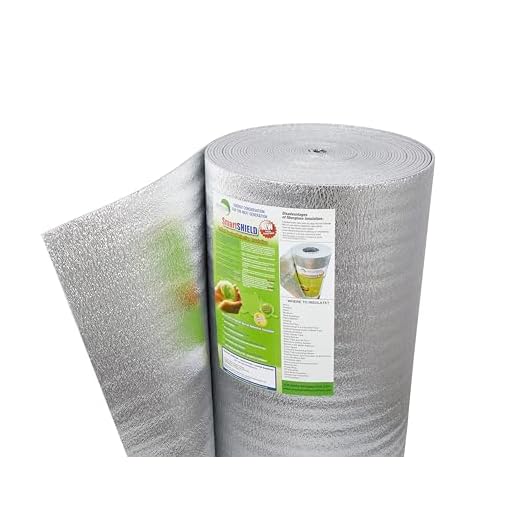
When utilizing reflective foil, a mere 50 to 75 mm may suffice, as this type employs its reflective properties to reduce heat transfer effectively. With its unique mechanism, it serves well in certain conditions, particularly in warmer climates where heat gain is a concern.
Advanced Options
If considering spray foam, 100 to 150 mm can deliver substantial energy savings. This method not only acts as an insulator but also creates an effective air barrier, enhancing overall thermal performance. Each option varies, so I recommend evaluating specific requirements for my situation before making a final decision.
Assessing Your Home’s Energy Needs and Insulation Requirements
To determine the appropriate energy efficiency levels for my residence, I begin by evaluating the existing thermal barriers. I measure the current material’s depth to establish how well it retains heat. My aim is to align my energy consumption and comfort with sustainable practices.
Conducting a thorough energy audit reveals areas where heat loss is most significant. I identify gaps around windows and doors, as well as cold spots on external walls, which indicate where enhancements are necessary. Implementing weather stripping and caulking can greatly improve overall performance.
Next, I consider the local climate. Areas with harsh winters require more substantial protection than milder regions. By assessing external factors such as wind exposure and sunlight, I can develop a tailored strategy to boost my home’s energy efficiency.
Understanding the R-value of various materials is also essential. Higher R-values signify better resistance to heat flow. Choosing products with appropriate ratings ensures that my home achieves optimal energy performance while reducing utility costs.
Finally, after making these assessments, I review potential upgrades or retrofits. Adding an adequate amount of thermal barriers or opting for advanced options like spray foam can significantly reduce energy bills as well as increase comfort.
Choosing Between Mineral Wool, Fiberglass, and Rigid Board Insulation
For optimal performance, I recommend using mineral wool, fiberglass, or rigid board based on specific criteria related to your property. Each option brings unique attributes to the table. Below, I outline key features that help in selecting the right material for expanding thermal resistance in your space.
Material Comparison
| Type | R-Value | Moisture Resistance | Fire Resistance | Installation Difficulty |
|---|---|---|---|---|
| Mineral Wool | 3.1 – 4.3 per inch | High | Non-combustible | Moderate |
| Fiberglass | 2.9 – 4.0 per inch | Moderate | Combustible but treated | Easy |
| Rigid Board | 5.0 – 6.5 per inch | Variable (depends on type) | Depends on composition | Moderate to Difficult |
Recommendations Based on Specific Needs
If soundproofing is a priority, mineral wool excels due to its density. For cost-effective solutions, fiberglass offers an easy-to-install and lightweight alternative. Rigid boards are suitable for areas requiring higher R-values in limited spaces, such as around ductwork or in crawl spaces. Considering factors like application area and installation capability will guide your decision-making.
Evaluating these aspects ensures an informed choice, ultimately enhancing comfort and energy efficiency in my home.
Common Mistakes in Insulation Thickness and How to Avoid Them
A frequent error is underestimating the recommended measurements for various materials. Many individuals opt for minimal coverage to save costs, not realizing this can lead to higher energy bills. Always refer to the guidelines specific to the type of material you’ve chosen. Each option has its ideal density that maximizes performance.
Ignoring Existing Conditions
Assessing prior installations is crucial. If the prior layer is damaged or compacted, it may no longer perform adequately. Conduct a thorough inspection before layering to ensure optimal temperature retention. Applying new material over compromised areas can lead to further inefficiencies.
Improper Application Techniques
Application methods can significantly influence results. Overlapping or compressing the material can reduce its effectiveness. Ensure that product guidelines are followed closely to maintain air pockets and ensure even distribution. Lack of attention to detail here can negate any potential benefits of additional layers.
Measuring Your Loft Space for Proper Insulation Installation
I recommend using a measuring tape to accurately assess the dimensions of your loft area. Begin by determining the length and width of the space. This will help in calculating the total square footage, which is crucial for estimating the necessary material quantities.
Follow these steps:
- Measure the length from one end of the loft to the other.
- Measure the width from the side wall to the opposite side.
- Multiply the length by the width to determine the area.
Next, assess the height of the rafters or beams. This measurement is necessary for selecting the appropriate type of material, particularly if ventilation is a concern. Use a straight edge and a level for more precise height readings.
Consider checking for any obstructions, such as plumbing or electrical work that could affect installation. Make a note of these elements and plan for them in your layout.
Lastly, ensure your measurements account for the entire area you wish to cover. It’s wise to add an extra 10% to your calculations for waste or future adjustments. By accurately measuring, you’ll streamline the process of selecting the right materials and achieving effective coverage.
Local Building Regulations and Their Impact on Insulation Thickness
Consulting local building codes is critical, as they dictate minimum standards for thermal performance across various construction types. For instance, regulations might specify a certain R-value that directly influences the amount of material needed for proper thermal resistance. Adhering to these guidelines is not optional; non-compliance can lead to fines or complications during property sales.
In regions with stricter energy efficiency requirements, the recommended amount of material can significantly increase compared to areas with more lenient standards. For example, a jurisdiction may mandate increased depth to improve energy savings, especially in colder climates where heat retention is vital. By researching and understanding these regulations, I can make informed choices that satisfy legal obligations while maximizing comfort and energy efficiency.
Building surveys performed by local authorities often reveal deficiencies in existing setups. These inspections can identify whether current installations meet required standards, and I might be advised to enhance my setup based on these findings. Balancing these regulations against personal goals allows me to achieve energy efficiency without compromising on compliance.
Additionally, some regions offer incentives for exceeding the minimum requirements, such as tax breaks or financial assistance for retrofitting projects. This can influence my decision to install more material than the law requires, leading to greater energy conservation and long-term savings.