Caleb Turner

Begin with thorough research on the local market trends and consumer preferences related to pre-owned interior decor. Analyze competing shops to understand their pricing strategies, product offerings, and customer demographics. This data is vital for positioning your enterprise effectively.
Establish an online presence by designing a user-friendly website and utilizing social media platforms to promote your products. High-quality images and engaging content are crucial for showcasing unique pieces and attracting potential buyers.


Sourcing inventory is key to your success; frequent auctions, estate sales, and online marketplaces can yield exceptional finds. Always inspect items carefully for quality and condition before making a purchase.
Pricing products competitively while ensuring profitability is an art in itself. Consider factors such as rarity, demand, and condition. Regularly reassess your pricing strategy based on market feedback and sales data.
Choosing a Location
Select a space in a high-traffic area where potential buyers frequently pass. Look for locations near residential zones, university towns, or areas undergoing revitalization. Visibility is key; use big windows to display your items attractively. Ensure that your premises have adequate storage for your inventory and workspace for repairs or refurbishments.
Sourcing Inventory
Frequent local estate sales, auctions, garage sales, and thrift shops for unique gems. Partner with local moving companies who may have clients looking to dispose of their old pieces. Consider online platforms to acquire items. Establish connections with local artisans or refurbishers for one-of-a-kind offerings and to enhance your collection’s quality.
Pricing Strategy
Conduct market research to set competitive prices. Analyze similar items across various platforms to gauge demand and adjust accordingly. Factor in the condition, age, and brand of each piece. Regularly review your pricing strategy to ensure it remains attractive and competitive, especially as inventory changes.
Identifying Your Target Market for Used Furniture
Focus on local demographics to determine who will be most interested in pre-owned items. Analyze age groups, income levels, and lifestyle preferences. For instance, millennials and Gen Z often seek affordable, unique pieces. Consider offering styles that appeal to these younger shoppers, like retro or vintage designs.
Research Competitors and Trends
Examine competitors in your area. Identify the types of items they sell and their pricing strategies. This will help you understand gaps in the market and areas where your offerings can stand out. Use platforms like social media to gauge trends and see what potential customers are discussing.
Conduct Surveys and Gather Feedback
Engage with your target audience through surveys or informal conversations. Ask what types of items they prefer, price points, and what drives their purchasing decisions. Utilize platforms like Google Forms to collect this data efficiently.
Analyze feedback and adapt your inventory accordingly. A customer-centric approach will enhance appeal and may attract a loyal clientele.
Craft a Unique Selling Proposition (USP). Highlight what differentiates your items from others. Whether it’s the quality, price, or uniqueness of the pieces, be clear about how you fulfill specific needs.
Staying aware of local housing developments also aids in understanding your audience. Areas with a high concentration of new families may drive demand for budget-friendly essentials, while urban areas might lean towards stylish statement pieces.
Utilizing this targeted approach will facilitate tailored marketing strategies, ensuring that your efforts resonate with potential buyers and increase the likelihood of sales.
Finding Reliable Sources for Used Goods
I recommend establishing relationships with local thrift shops, charities, and estate sale companies. These organizations often have a steady flow of items and may offer discounts for bulk purchases. Attend estate sales with a keen eye – they can be goldmines for unique pieces at great prices.
Utilizing Online Platforms
Online marketplaces such as Facebook Marketplace, Craigslist, and OfferUp can be valuable sources. I suggest setting up alerts for specific keywords related to the types of pieces I want to acquire. This allows for quick responses to new listings, increasing chances of securing desirable items.
Networking with Other Retailers
Building relationships with other retailers in the same niche can lead to beneficial partnerships. Sharing sources, especially when excess inventory occurs, can help both parties maintain a diverse selection. Attending local trade shows or industry events is an excellent way to expand my network.
Setting Up an Attractive Store Layout and Design
First, create defined zones within the space to enhance customer experience. Allocate areas for various styles or types of pieces, such as vintage, contemporary, or rustic. This organization helps shoppers navigate easily, facilitating a more pleasant browsing experience.
- Floor Plan: Opt for a layout that promotes flow. Arrange items in a way that encourages movement; avoid cluttered arrangements. Use pathways to guide customers through different sections.
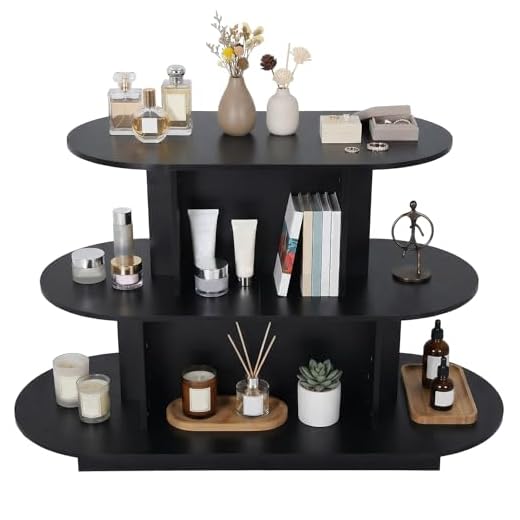
- Product Display: Utilize various heights and levels in display options. Employ shelves, tables, or stands to create visual interest. Group products by color or theme for a cohesive look.
- Lighting: Invest in good lighting to highlight unique items. Various fixtures, such as spotlights or decorative lamps, can enhance ambiance and draw attention to focal points.
Consider using props to enhance presentation; for example, place decorative items like vases or books on tables to inspire customers. This not only showcases the pieces effectively but also provokes ideas about how they might be used in their own homes.
- Signage: Clear, appealing signage can guide and inform customers. Consider using chalkboards for special promotions or product information.
- Seating Area: Include comfortable seating where shoppers can relax. This encourages longer visits and provides a space for discussions about purchases.
Monitor traffic patterns and observe customer behavior. Adjust layout based on their preferences and interactions within the space. Regularly update displays to maintain interest and present freshly curated collections.
Marketing Strategies to Promote Your Unique Shop
Focus on social media platforms to create a visually appealing online presence. Showcase products with high-quality photos and engaging descriptions. Use Instagram and Pinterest to curate a stylized feed, highlighting individual pieces and themed collections. Promote user-generated content by encouraging customers to share their acquisitions in their homes with a branded hashtag.
Leverage local SEO by optimizing your website for search engines. Use keywords relevant to your area and the types of products you offer. Create content around local events, interior design tips, and DIY projects that may interest your audience. Register the business with Google My Business to enhance visibility in local searches.
Develop partnerships with local artists or interior designers for cross-promotion. Offer to display their work in your space, allowing clients to see how unique items can be integrated into their homes. In return, they can promote your offerings to their audience, expanding your reach.
Implement loyalty programs to incentivize repeat purchases. Offer discounts or exclusive deals for returning customers, making them feel valued and encouraging word-of-mouth referrals. Consider creating a points system where each purchase earns points, leading to rewards.
Participate in community events and markets to showcase unique finds. Set up an attractive booth and interact with potential customers. Offer limited-time promotions or small giveaways to draw attention and create a personal connection with attendees.
| Platform | Strategy | Benefits |
|---|---|---|
| Social Media | Visual product showcasing | Engagement, brand awareness |
| Local SEO | Optimize website, Google My Business | Increased visibility, traffic |
| Partnerships | Collaborate with artists/designers | Wider audience reach, mutual promotion |
| Loyalty Programs | Discounts and rewards | Encourages repeat business |
| Community Events | Interactive booths | Personal connections, brand exposure |
Navigating Legal Requirements and Permits
Research the specific licenses required for operating a resale business in your location. Many regions mandate a resale permit or a seller’s permit, allowing the collection of sales tax on items sold. Without this, legal penalties may arise.
Consult local regulations on zoning laws, as your chosen premises must comply with city or county ordinances. Commercial areas often have stipulations regarding signage, operating hours, and traffic management that affect your business.
Registering your establishment as a legal entity is necessary. Choose a suitable business structure, whether it’s a sole proprietorship, LLC, or corporation. Each structure impacts taxes, liability, and operation.
Check requirements for obtaining an Employer Identification Number (EIN) from the IRS if hiring employees, which will also assist in establishing a business bank account.
Stay informed about local health and safety regulations especially if refurbishing items, as compliance ensures both customer safety and business credibility.
Consider product liability insurance. This will safeguard against claims related to defective or unsafe items sold. It’s crucial to protect your investment and personal assets.
Lastly, keep proper records of all purchases and sales. This documentation is vital for tax purposes and in case of inspections or audits.
Implementing Inventory Management for Second Hand Goods
I recommend utilizing a cloud-based inventory management system tailored for resale items. This allows real-time tracking of products, ensuring optimal stock levels without over or under-purchasing. Choose software that integrates with your POS to streamline sales and inventory updates simultaneously.
Establish a clear categorization system for your items. For instance, group by item type, size, condition, or style. This simplifies the tracking process and helps customers locate products efficiently. Regularly review and update these categories based on trends and sales data.
Create a standardized process for incoming items. Each piece should be inspected for quality and condition upon arrival, documented with photos, and assigned a unique SKU. This not only maintains organization but also aids in creating transparency for potential buyers regarding the product’s storage history.
Implement a periodic inventory audit schedule. This could be monthly or quarterly, depending on your size. Audits ensure that physical stock aligns with what your system reflects, catching discrepancies early and refining inventory processes.
Encourage feedback on popular items to gauge market demand and adjust your purchasing strategies accordingly. Maintain an ongoing dialogue with customers to enhance your understanding of their preferences and incorporate them into your inventory planning.
Utilize reporting tools within your inventory software to analyze sales trends over time. By recognizing high and low-performing items, I can make informed decisions about future acquisitions, promotions, and markdowns. Adapting my strategy based on this data will not only improve profitability but also enhance customer satisfaction.