
 Caleb Turner
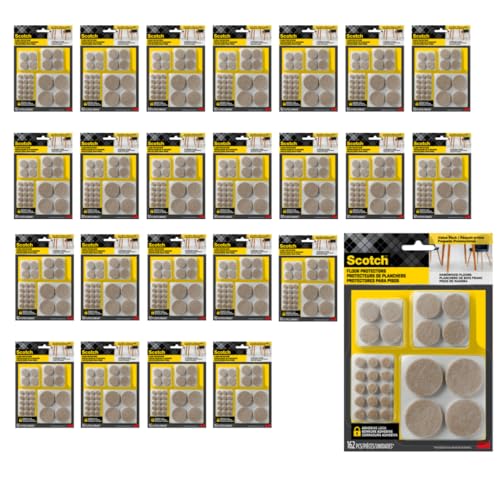
Utilizing felt pads on the bases of your items is a straightforward yet effective strategy to prevent marks on various types of surfaces. These small, soft discs work by creating a buffer between the legs of your items and the ground, significantly reducing friction and the risk of damage.
Another practical method involves using area rugs or mats. Strategically placing these underneath your larger pieces can not only enhance aesthetics but also provide an extra layer of protection against unsightly scratches and dents.
Regularly checking and maintaining the condition of your items can also play a key role. Ensuring that the bases are free of debris and dirt minimizes the likelihood of unintentional abrasion. Additionally, adjusting the placement to avoid heavy traffic areas can further safeguard the underlying surface.
Investing in appropriate coasters or trays for smaller items can help maintain the integrity of your surfaces as well. These can help contain any movement and prevent shifting that might occur, which often leads to wear and tear.
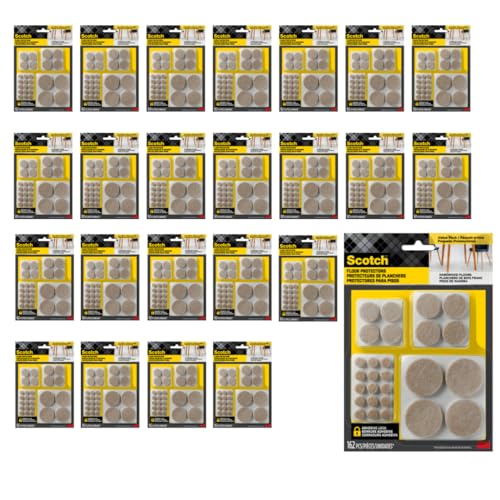

Strategies to Prevent Damage to Surface
Utilize protective pads made from felt or rubber on the legs of your pieces. These cushioned guards absorb impact and reduce friction, ensuring surfaces remain unmarred, especially during movement.
Regular Maintenance
Check pads regularly for wear and replace them as needed. A quick inspection every few months can save your surface from potential scuffs and dents.

Creating a Barrier
Incorporate area rugs or mats in high-traffic zones. These coverings provide a cushion that absorbs shock, preventing direct contact with the ground.
| Type of Protector | Material | Recommended Use |
|---|---|---|
| Felt Pads | Felt | Under chair and table legs |
| Rubber Caps | Rubber | On metal or plastic feet |
| Area Rugs | Various | High traffic areas |
This proactive approach minimizes damage and preserves the appearance of all surfaces over time.
Choose the Right Furniture Material
Opt for softer materials like wood with a satin finish or high-quality plastic that are less abrasive. Select an upholstery option that is gentle, such as fabric or vinyl, rather than rough leather or metal which can cause damage.
Look for items made from rubber or silicone elements that provide cushioning. These materials not only protect surfaces but also enhance durability. Investigate composite woods, which often feature less harmful textures.
When purchasing, pay attention to the weight and thickness of the base. Heavier and thicker constructions tend to offer more stability and resistance to movement, reducing potential harm to surface areas.
Consider reclaimed wood and bamboo, as they offer unique aesthetics while being naturally softer than other hardwoods. This choice also promotes sustainability.
Finally, check for protective coatings on the furniture. Sealants or varnishes can add an extra layer of safety. Regular maintenance of these coatings ensures they remain effective over time.
Apply Felt Pads to Furniture Legs
I recommend attaching felt pads to the bottom of chair and table legs. These pads act as a barrier, preventing direct contact between hard surfaces and your flooring.
Measure the size of each leg to ensure proper fitting. Available in various shapes and sizes, felt pads can be found in most home improvement or online stores. I prefer self-adhesive options for easy application.
Before sticking the pads, clean the legs to remove dust and grime, ensuring maximum adhesion. After placing the pads, regularly inspect them for wear and tear, replacing them as necessary to maintain their protective qualities.
Additionally, consider using thicker pads for heavier pieces, as they provide better cushioning and protection. Felt pads can also improve the overall movement of furniture, allowing it to glide smoothly across the surface without damage.
Use Area Rugs Strategically
Introducing area rugs can significantly mitigate damage to surfaces below. Choose rugs made of durable materials with a non-slip backing to enhance stability and prevent movement.
Position large rugs beneath seating arrangements to create a defined area and protect vulnerable spots where legs might scrape. Ensure the rugs extend beyond the edges of the furniture to provide full coverage.
For high-traffic zones, opt for rugs that are both stylish and practical. Consider options that are easy to clean and maintain their appearance over time. Natural fiber rugs, like jute or sisal, offer durability and add texture.
Regularly adjust the placement of smaller rugs to avoid wear patterns. Rotating them helps distribute foot traffic evenly, preserving their integrity. Use rug pads beneath to increase cushioning and further minimize potential harm to the underlying material.
Lastly, keep in mind the color and design of your area rugs. Choose hues that complement your decor while also effectively disguising dirt or wear, contributing to a harmonious atmosphere in your space.
Regularly Inspect and Maintain Flooring
Schedule frequent checks of your surface to catch any wear or damage early. Look for scratches, dents, or any signs of wear that could increase the risk of further damage.
Here are specific actions I take:
- Check for debris or dirt accumulation that may cause abrasion. Clean the area to prevent any buildup.
- Inspect areas under heavy items, as these spots may be prone to unnoticed marks. Move items periodically to reveal hidden surfaces.
- After cleaning, verify that surfaces are level; uneven areas may lead to additional wear. Adjust furniture or use shims if necessary.
For wood or laminate floors, consider applying a protective sealant every few years. This not only enhances the aesthetics but also adds a layer of protection against minor damage.
Keep an eye on environmental factors as well:
- Control humidity and temperature to avoid expansion or contraction in flooring materials.
- Place mats at entry points to minimize dirt and grit tracked indoors.
Regular maintenance extends the lifespan of your surface while keeping it looking fresh and new. Stay proactive and vigilant to minimize the risk of damage.
Implement Furniture Coasters for Heavy Pieces
For substantial items, I always recommend using coasters designed specifically for their weight. Opt for coasters made of durable materials like rubber or thick plastic, which can distribute pressure evenly. These prevent undue stress on the flooring beneath.
Select coasters with a non-slip surface; this keeps the heavy piece stable and avoids unwanted movement, which can cause further damage over time. Make sure the coasters are wide enough to accommodate the base of the furniture, ensuring maximum contact and support.
For larger items like sofas or cabinets, consider using multiple coasters under each leg. This enhances stability and minimizes the risk of indentations or scratches on the surface below.
Regularly check the coasters for wear and tear. If they show signs of damage or degradation, swapping them out will ensure continued protection and extend the life of your flooring.
Limit Movement of Furniture on Floors
To limit the shifting of heavy pieces, secure items against walls or corners. This minimizes the risk of displacement when in use. For larger items like sofas or bookshelves, consider anchoring them to the wall using brackets. This fixes the item in place, reducing unintended movement.
Utilize furniture wedges or brackets specifically designed to hold furniture stationary, especially for chairs and tables that tend to slide. Placing adhesive silicone pads underneath legs can also create friction, preventing unwanted sliding.
Arranging layouts with personal space in mind can also reduce movement. For example, clustering smaller items together rather than spreading them out encourages stability. Additionally, ensuring that carpets or mats beneath are adequately sized can further prevent shifting.
Regular rearranging can help identify ideal placements that naturally discourage movement. Keeping everything neatly organized minimizes the chance of bumping into pieces, and teaching household members to navigate carefully protects against accidental shoving.
Consider Floor Protectors for Added Security
Utilizing floor protectors significantly reduces the risk of damage. Various options are available to meet different needs.
- Rubber pads: These provide excellent grip and cushioning, preventing abrasions during movement.
- Plastic glides: Ideal for lightweight items, they allow easy sliding without marking the surface.
- Felt pads: Best for heavier pieces, offering a soft barrier against scratching while promoting mobility.
- Rubber or vinyl mats: Effective for high-traffic zones, protecting against wear over time.
Regular replacement of these protectors maintains their effectiveness and ensures ongoing safeguarding of surfaces.
Investing in quality options tailored for your specific flooring type enhances protection further.


