Caleb Turner

Begin with a robust foundation. Choose quality lumber for the frame, ensuring it can support the intended weight. Two-by-fours or two-by-sixes work well for the main structure. Cut the side rails and cross supports to your desired height, allowing ample space beneath for storage or an additional workspace.
Securing the components properly is vital. Utilize strong wood screws or bolts, aiming for at least two fasteners for each joint. Use a level during assembly to maintain evenness; this helps prevent wobbling once the setup is complete. Reinforce corners with brackets for added stability.
For safety, incorporate a sturdy guardrail on one side. Use the same lumber as the frame to create a secure barrier, ensuring it rises at least 5 inches above the sleeping surface. Attach it firmly to prevent accidents, and consider adding a ladder for easy access to the elevated area.
Finally, think about finishing touches. Paint or stain the wood to match your existing decor and seal it to protect against wear. Adding soft lighting underneath can create a cozy atmosphere while enhancing the usability of the area below. With these steps, you’ll achieve a functional and stylish sleeping arrangement that maximizes vertical space.
Transforming a Standard Frame into an Elevated Sleeping Space
Begin with a solid frame. Assess the existing construction to ensure it can support the new height. Replace the legs with stronger material, preferably metal, that can withstand greater weight. Consider using pipe fittings or sturdy wood to create a more robust foundation.
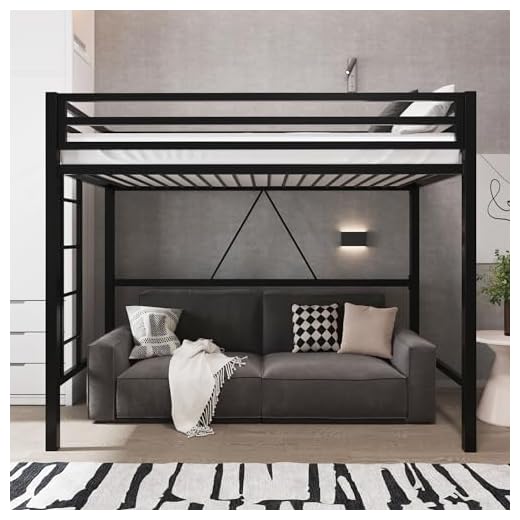

Creating the Elevated Structure
Remove the original slats and replace them with a platform made from plywood. Ensure it fits securely within the frame to accommodate a mattress comfortably. Reinforce the corners with brackets for added stability. Adjust the height according to your preferred clearance for space beneath the sleeping area.
Safety Measures and Accessories
Install guardrails along the sides to prevent accidental falls. Choose a height that allows for easy access using a sturdy ladder or steps. Consider adding storage solutions below; it can maximize the use of the area and provide organization. Finish with a soft rug or mat beneath to enhance safety and comfort.
Assessing the Space and Requirements
Measure the height of your ceiling to ensure sufficient clearance for the elevated structure. Aim for at least 30 inches of space above the sleeping area for comfort. I recommend a minimum room height of 8 feet for optimum functionality.
Evaluate the room layout; the chosen structure should fit seamlessly without obstructing pathways or access to windows and doors. Consider the following:
- Identify areas where the structure may be placed without causing hazards.
- Avoid corners with poor ventilation or light.
- Ensure there is enough space for a ladder or other access points.
Determine the weight limits of both the sleeping unit and the support framework. I suggest using sturdy materials like solid wood or metal for durability. Assess the existing piece’s construction to know what modifications are feasible without compromising stability.
Plan for additional storage or attachments. Adding shelves or hooks can optimize vertical space. Consider integrating light fixtures or power outlets for convenience.
Lastly, check your local building codes and safety regulations. Ensuring compliance prevents potential hazards and legal issues. All components should meet safety standards for maximum security and longevity.
Choosing the Right Materials for Your Loft Bed
Pine wood is an excellent choice for its balance of strength and lightweight nature. I prefer using it when building a structure since it’s affordable and widely available. For added durability, consider hardwoods like oak or maple; these provide more stability but may increase the overall weight.
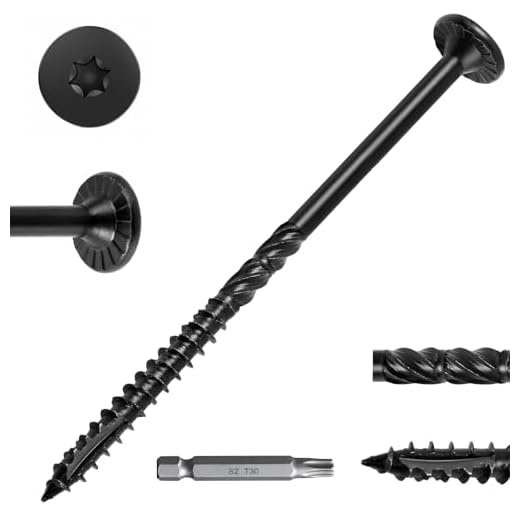
When selecting fasteners, I recommend opting for heavy-duty screws or bolts. These should resist stripping and provide a secure connection. In addition, incorporating metal brackets can enhance strength, especially at critical junctions where weight support is crucial.
For the platform, plywood is ideal due to its robustness and versatility. A thickness of at least three-quarters of an inch ensures it can endure daily use without sagging. For additional safety, I apply a non-slip surface treatment or use a textured material under the mattress.
Don’t overlook safety features. Installing guardrails requires solid materials that won’t easily bend or break. I choose thick wooden posts or metal rails that meet safety standards to create a secure environment.
Finally, consider the finishing touches–paint or stains should be non-toxic, especially for indoor spaces. I opt for low-VOC options to ensure air quality remains safe while adding to the aesthetics of the setup.
Step-by-Step Instructions for Disassembling the Twin Bed
I carefully examined all components of the frame before disassembly, ensuring I had all necessary tools on hand. A Philips screwdriver, hammer, and a set of Allen wrenches were my main instruments for this process.
Step 1: Remove the Headboard and Footboard
First, I unscrewed the bolts or screws attaching the headboard and footboard to the side rails. I made sure to keep all fasteners in a labeled container for easy reassembly later.
Step 2: Detach the Side Rails
Next, I disconnected the side rails from the corner posts. Depending on how the frame was assembled, these might be secured with screws or a locking mechanism. Carefully removing these without damaging the wood was crucial.
Step 3: Take Apart the Support Slats
With the frame now disassembled, I removed the support slats that run across the width. These are typically laid out either parallel or perpendicular to the side rails. I noted their arrangement for reference during reassembly, as their spacing can affect stability.
Step 4: Organize All Components
After fully disassembling everything, I laid out all the parts, including dowels, screws, and slats, to account for each piece. This will facilitate easy reconstruction into the new design.
| Component | Status |
|---|---|
| Headboard | Removed |
| Footboard | Removed |
| Side Rails | Disconnected |
| Support Slats | Removed |
After completing these steps, I was ready to move on to the next phase of my project. Careful organization throughout the disassembly phase plays a significant role in the success of my upcoming construction task.
Building the Loft Structure: Key Considerations
Establishing a sturdy frame warrants priority. I recommend choosing a height that accommodates both the mattress and the space beneath it. Typically, an elevation of 4 to 5 feet works well for most rooms, allowing ample headroom below.
- Support System: Utilize 2×4 or 2×6 lumber for the frame. Ensure reinforcing braces are added diagonally to enhance stability.
- Weight Distribution: Calculate the total weight that will rest on the structure, including the mattress and occupant. Distributing this weight evenly across the frame is fundamental.
- Access Method: Decide on a ladder or stairs for access. Ensure that any access method provides safety and ease of use. Include non-slip materials for added grip.
- Safe Guardrails: Installing railings around the top sleeping area is critical to prevent falls. Typically, at least 12 inches high works best.
As I assemble the components, I ensure the screws and fasteners I use are rated for the load to add extra safety. Wood glue can also offer additional reinforcement at joints. After constructing, I carefully check for wobbles or movement, making necessary adjustments or reinforcements.
- Check all joints and connections for any gaps or loose fittings.
- Test the frame by applying weight gradually to ensure structural integrity.
- Add finishing touches like sanding rough edges to avoid splinters.
Lastly, I consider aesthetics. Painting or staining the wood not only enhances the appearance but can also protect it from wear over time. This project becomes an integrated piece of my living space once properly constructed and designed.
Ensuring Safety Features for the Elevated Sleeping Arrangement
Install guardrails on both sides of the platform to prevent accidental falls during sleep. Ensure that the height of the rails is at least 5 inches above the mattress to maintain an adequate barrier.
Secure the Structure
Reinforce corners with solid brackets to stabilize the frame. Consider using wood screws rather than nails for a stronger connection. Check the integrity of the joints regularly to prevent wobbling.
Safe Access
Use a sturdy ladder with wide steps for easy climbing. Ensure the ladder is securely attached to the frame and can support the weight of the user. Test its stability before finalizing the installation.
Maintain a clear area around the base to prevent trips and falls. Install lighting options for visibility. Emergency access should not be obstructed by furniture or other items.
Final Touches: Decorating and Organizing the Loft Space
To maximize the utility of the elevated area, I opt for multifunctional furniture. A desk that doubles as a nightstand saves space and serves dual purposes. Choosing compact chairs or stools that can be tucked away keeps the area uncluttered.
Incorporating shelves is key for efficient organization. Wall-mounted shelves not only provide storage but also offer a chance to display personal items and decorative pieces, adding character to the surroundings. I prefer open storage to ensure items are easily accessible.
Lighting plays an integral role in setting the ambiance. I choose warm LED lights or fairy lights draped around the perimeter for a cozy effect. A small lamp on the desk offers focused light for reading or working without overwhelming the space.
Textiles can make a big difference. I add a lightweight throw blanket and decorative cushions to create a comfortable nook. Choosing colors that complement each other helps create a cohesive look and feel.
Incorporating plants can enliven the space. Small potted plants or hanging planters fit perfectly in corners, introducing a natural element without taking up too much room. I select low-maintenance varieties for ease of care.
Personal touches personalize the area. I hang artwork or photographs on the walls, tailored to my taste. I also consider utilizing a corkboard to pin notes, designs, or inspiring quotes, making the area truly mine.
Finally, keeping it organized is paramount. I dedicate specific areas for books, stationery, and other essentials. Using attractive storage boxes or baskets not only helps with organization but adds further aesthetic appeal.
FAQ:
What materials do I need to convert a twin bed into a loft bed?
To modify a twin bed into a loft bed, you will need several materials. First, gather sturdy wooden planks or metal beams for the frame and supports. Next, obtain brackets, screws, and wood glue to secure the structure. Additionally, you’ll need a good quality mattress for the twin bed, which can remain the same. Safety guardrails are also recommended to prevent falls, along with a ladder for accessing the upper sleeping area. Tools such as a saw, drill, and screwdriver will be necessary for assembly.
How do I ensure the loft bed is stable and safe?
Stability and safety are key when converting a twin bed into a loft bed. First, make sure the frame is constructed with strong materials and well-secured connections using brackets and screws. Retrofitting the bed to the wall can also provide extra support. Install guardrails on all sides of the loft to prevent falls, maintaining a minimum height of 5 inches above the mattress. Lastly, regularly inspect the bed for any wear and tear or loose screws to maintain its safety.
Can I use the space underneath the loft bed for storage? If so, how can I organize it?
Yes, utilizing the space under the loft bed for storage is a great idea. You can add shelving units or drawers to keep items organized. Consider using clear bins or boxes for easy visibility of contents, and label them for quick access. If you prefer a more aesthetic approach, hanging curtains can conceal the storage area while creating a cozy look. Adjustable shelving allows you to customize the space according to your storage needs.
What tools are necessary to modify the bed into a loft bed?
You’ll need a few specific tools to modify a twin bed into a loft bed effectively. A saw is important for cutting any wooden planks to the required lengths. A drill will help in making holes for screws and assembling the frame. A screwdriver is essential for tightening all connections securely. A level is also useful to ensure that the bed is even and stable once installed. Having measuring tape on hand will assist in precise dimensions for both height and width.
Are there any design ideas for decorating a loft bed setup?
There are many creative design ideas for decorating a loft bed setup. You can use fairy lights or LED strips around the bed frame to create a whimsical ambiance. Adding a canopy can provide a cozy and private sleeping area. You might consider painting the walls in colors that complement the bed, or using wall decals to add personality. If space allows, include some decorative cushions and throw blankets in the seating area beneath the loft for a comfortable vibe. Hang artwork or pinboards for a personal touch in the surrounding area.
What materials do I need to convert a twin bed into a loft bed?
To modify a twin bed into a loft bed, you’ll need a few essential materials. First, gather bed risers or wooden platforms to elevate the frame. These can be made from sturdy plywood or similar material. You will also need screws, brackets, and possibly additional lumber to reinforce the bed frame. If you want to add a ladder, you may need wooden boards or metal for its structure. Safety rails are also recommended, which can be made from wood or purchased separately. Lastly, a mattress fitted for the twin size is necessary to complete the setup.