
 Caleb Turner
Begin with a thorough clean of the area to create enough space for efficient work. Remove all personal items and accessories from the vicinity to ensure no debris comes into contact with your belongings.
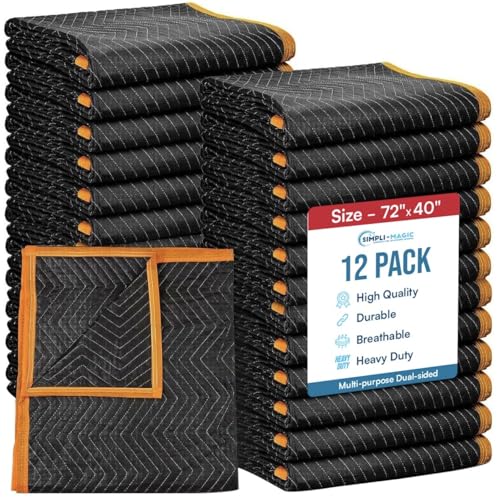
Cover each piece thoroughly with moving blankets or heavy-duty plastic to prevent scratches and impact damage. Secure the covers using tape or stretch wrap to keep them in place. This step is crucial as it creates a barrier against dust and physical harm.


Utilise furniture pads and sliders to avoid any risk of slipping or shifting during the project. These tools not only provide stability but also assist in relocating items if needed without strain or potential injury.
Consider designating a separate area for tools and materials. This will keep all heavy, potentially hazardous items away from your possessions. Additionally, regular checks on the covered items will help maintain their condition throughout the entire process.
Finally, communicate with your team regarding the precautions taken. Keeping everyone informed plays a significant role in maintaining awareness and respect for the protected items. A little preparation goes a long way in ensuring your belongings remain in pristine condition.
Protecting Your Belongings from Damage
I recommend using drop cloths or plastic sheeting to cover items that are particularly vulnerable. Ensure that these covers are secured to prevent them from shifting and exposing the items underneath.
Sealing Off Areas
Create designated zones for the work to limit debris and dust spread. Use heavy-duty plastic barriers or curtains to segregate the site. This minimizes exposure and helps in maintaining a clean environment.
Safe Storage Solutions
Consider relocating valuable items to another area if feasible. If not, use storage bins or boxes, clearly labeled, to safeguard smaller objects. Keep heavier pieces in a stable position to avoid tipping or accidental damage.
- Utilize foam padding for any sharp corners or edges of larger items.
- Wrap fine china, glassware, or decorative pieces in bubble wrap.
- Store smaller items in drawers or cabinets, with a protective cloth on top.
Finally, maintain an inventory list of all valuable possessions. This can aid in evaluating any potential damage and simplify recovery in case of loss.
Assessing Your Furniture Before Construction
Begin by evaluating the condition of your items. Check for any existing damage or wear that may worsen during renovation. Document scratches, dents, or loose parts for reference.
Determine Value
Identify which pieces have sentimental or monetary value. This informs decisions about how much effort you should invest in safeguarding them. For example, family heirlooms might require more extensive measures than everyday items.
Size and Placement
Measure the dimensions of your belongings. Understanding the sizes helps in planning storage or temporary relocation. Additionally, consider their current positioning. If they’re in the path of heavy foot traffic or exposure to dust and debris, relocating them becomes necessary.
Consider taking photos of each piece for easy reference post-project. This aids in identifying any changes or damages that may occur, ensuring you have clear documentation for any potential repairs or insurance claims.
Choosing the Right Protective Materials
First, I prioritize selecting heavy-duty plastic sheeting for large surfaces. It’s water-resistant and can easily cover various shapes. For more delicate items, I consider soft cotton or wool blankets. They provide cushioning and prevent scratches.
Key Material Comparisons
| Material | Features | Best Use |
|---|---|---|
| Plastic Sheeting | Water-resistant, durable | Covering large surfaces and outdoor items |
| Cotton Blankets | Soft, breathable | Cushioning delicate pieces |
| Bubble Wrap | Shock-absorbing | Wrap fragile objects like glassware |
| Moving Pads | Thick, padded | Protecting items during transport |
Next, I avoid newspaper or cardboard for wrapping, as they can leave marks or residue. I also opt for mask tape rather than regular tape for securing edges, as it’s less likely to damage surfaces. For all heavier items, I utilize strap systems or furniture sliders to minimize strain and prevent accidents.
Covering Techniques for Different Furniture Types
For upholstered pieces, I opt for heavy-duty plastic drop cloths. They create a waterproof barrier while allowing breathability to prevent mold growth. Secure the covers with tape to prevent slips or displacements.
Wooden Surfaces
To shield wooden items, I use soft cotton sheets. This method prevents scratches and dust accumulation. I also ensure to cover sharp edges with foam padding to avoid dings or dents.
Glass Elements
For glass components, I apply bubble wrap, securing it with tape for added stability. Using corner protectors will mitigate risks of breakage from falls or impacts.
In the kitchen area, any metal appliances should be wrapped in moving blankets. This absorbs shocks and guards against scratches, maintaining their sleek appearance.
For pieces with intricate details, like carvings or embellishments, I prefer to use padded covers. This approach cushions the edges, preventing any potential damage while also keeping dust at bay.
Lastly, organizing smaller items into bins with sturdy plastic lids can minimize damage. Label each bin for easy access during the remodel. Adopting these techniques ensures every piece remains in prime condition throughout the process.
Creating a Controlled Environment Around Furniture
I recommend setting up a designated area that minimizes exposure to dust, debris, and moisture. Use plastic sheeting to create barriers. Seal off windows and doors with tape to prevent outside contaminants from entering.
Consider using air purifiers with HEPA filters to reduce airborne particles. Ensure that the environment remains well-ventilated to avoid stagnant air, which can cause mustiness, especially if materials are drying or curing.
Place protective mats or drop cloths on the floor to catch any falling debris. This will keep the surrounding area cleaner and reduce the chance of scratches or marks on the flooring.
If possible, relocate items that are particularly vulnerable or valuable to another room, away from any activity. If relocation isn’t feasible, try elevating them by placing them on sturdy platforms or blocks to minimize the risk of contact with dust or moisture.
Regularly monitor the area for any changes or issues, such as spills or equipment malfunctions that might lead to unintended impacts on nearby items.
Finally, designate a specific storage spot for tools and materials to keep work areas organized and reduce the chances of accidental damage to surroundings.
Moving and Storing Furniture Safely
First, disassemble larger pieces if possible. This cuts down on potential damage while hauling and makes transport more manageable. Keep screws and small parts in labeled bags to prevent loss.
Preparation for Transport
Before any heavy lifting, ensure paths are clear. Measure doorways and hallways to avoid getting stuck. Use soft moving blankets or cushions around edges for extra safety. A dolly can alleviate strain and minimize the risk of accidents.
Storage Solutions
Select a dry, temperature-controlled area for temporary storage. Use shelving or pallets to elevate items off the floor, shielding them from moisture. Seal pieces in plastic to guard against dust. Ensure items aren’t stacked too high to prevent tipping or compression damage.
Regular Maintenance and Checks
Conduct inspections at least twice a week. Look for any signs of damage or wear caused by dust or debris. Keeping a close eye on surfaces will help catch issues early.
Dust Control
Use damp cloths to wipe surfaces and minimize dust accumulation. Consider using air purifiers with HEPA filters to improve air quality and reduce particulate matter that can settle on surfaces.
Moisture Management
Monitor humidity levels in the area. Excess moisture can warp materials. Use dehumidifiers if necessary, especially in enclosed spaces or whenever spills occur.
Regularly evaluate the protective coverings for tears or misplacements. I frequently reposition covers to ensure complete coverage. If any section becomes compromised, replace it immediately to maintain defense against paint splatters or scratches.


