
 Caleb Turner
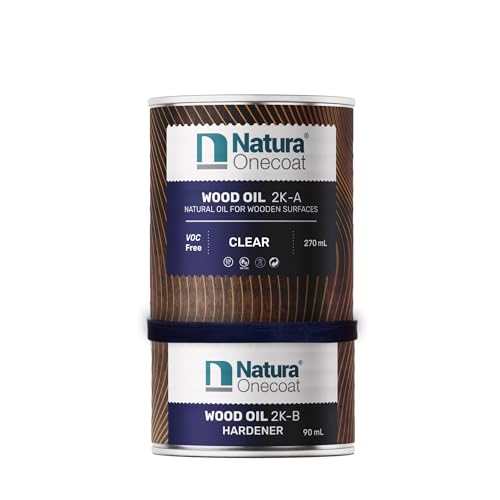
To revive your wooden items, I recommend using a blend of natural ingredients that promote protection and enhance beauty. A simple mixture of natural oil and a white powder can bring out the grain while offering a matchless charm to your wood.
Begin with a thorough cleaning of the surface. Use a soft cloth and a mild soap solution to remove any dirt or residues. Once cleaned, ensure the piece is completely dry before applying the concoction.


Mix equal parts of oil with the fine powder until you achieve a smooth paste. Using a soft cloth, apply this mixture gently in the direction of the wood grain. Allow it to soak in for a few minutes before buffing with a dry cloth to remove any excess. This step not only nourishes the wood but also provides a protective layer, which helps in preserving its luster for years to come.
Repeat this process every few months to maintain that freshly finished look and prolong the life of your beloved wood items. This method is both simple and rewarding, creating a lasting impression on anyone who sees your work.
Application Technique
I recommend working in a well-ventilated area. First, ensure the surface is free from dust and debris. Using a clean cloth, apply a small amount of the preparation product onto the fabric. Move the cloth in circular motions, applying even pressure to avoid streaks. Focus on one section at a time, ensuring the mixture seeps into the wood grain.
Drying and Buffing
After application, allow a drying period of about 15-30 minutes. Once dried, use a soft, lint-free cloth to buff the surface. This process enhances the sheen and removes any excess material. I find that repeating the buffing step ensures an even finish, giving the surface a subtle luster.
Regular Maintenance
For upkeep, I advise a light reapplication every 6-12 months depending on usage. This practice helps maintain the integrity and appearance, prolonging the lifespan. Regular cleaning with a damp cloth and avoiding harsh chemicals preserves the finish effectively.
Choosing the Right Lime Wax for Your Project
Selecting the appropriate product for your undertaking is vital. I recommend considering several key aspects:
- Type of Finish: Go for a non-toxic, natural option if you prioritize health and environmental safety. Some brands offer organic formulations that enhance aesthetics without harmful chemicals.
- Color Compatibility: Ensure the shade of the chosen treatment aligns with the existing tone of the wood. Test samples on inconspicuous areas to see how they develop in your specific lighting.
- Consistency: A thicker blend provides a more durable protective layer, while a thinner variant might be easier to apply but requires more frequent reapplication.
- Application Method: Determine whether you prefer a paste or liquid form. Pastes typically allow for more control during the application, while liquids can cover larger surfaces swiftly.
Brand Reputation
Researching reputable manufacturers helps ensure product quality. User reviews and expert recommendations can provide insight into long-term performance.
Availability
Consider local suppliers or online venues where you can acquire the preferred options. Having the right brand readily at hand can streamline the process.
Preparing Your Wooden Piece for Application
Begin by thoroughly cleaning the surface to eliminate dust, dirt, and grease. I use a damp cloth to wipe down the entire area, ensuring no residue remains. This step is crucial for promoting adhesion.
Next, inspect the item for any imperfections. Fill in dents or scratches with a suitable filler, allowing it to dry completely. Sand these spots gently with fine-grit sandpaper to create a smooth finish, blending with the surrounding area.
After the repairs, I sand the entire surface lightly. This helps in achieving a uniform texture, which supports even absorption of the treatment. Use a sanding block or an orbital sander for manageable, consistent results. Wipe away any dust particles post-sanding.
If the original finish is glossy, consider stripping it prior to application. A gentle chemical remover can eliminate the existing coat, but always follow the manufacturer’s instructions and work in a well-ventilated area. Once stripped, sand again to ensure a clean surface.
Ensure the wood is completely dry before proceeding with the next steps. I often leave the item in a dry, warm location for a few hours to eliminate any lingering moisture. This preparation phase is to ensure a flawless final outcome and enhance the longevity of the finish.
Step-by-Step Application Process of Lime Wax
Begin by testing on a small, inconspicuous area to ensure the desired effect. This first step helps to gauge how the surface will react without risking the entire piece.
Using a clean lint-free cloth, apply a thin layer of the product. Work in small sections, moving in the direction of the wood grain to enhance texture and appearance.
Allow the coat to sit for approximately 10-15 minutes, letting it settle into the surface without over-saturating. This ensures a more controlled finish.
With a separate, dry cloth, buff the area in circular motions. This step is crucial; it evens out the application and brings out the sheen. Maintain consistent pressure for an even finish.
If the initial application doesn’t meet expectations, add another layer following the same procedure. Multiple thin layers yield a richer, more defined look compared to a single heavy application.
Complete the process by letting the item cure for a minimum of 24 hours before use, allowing the product to fully harden and adhere to the surface.
Techniques for Achieving Even Coverage
To ensure a consistent finish, I always select a quality applicator. A soft cloth or a brush with fine bristles works best for smooth application, allowing for better control and even distribution of the product.
Preparation
- Before applying, ensure the surface is clean and dust-free; this prevents any debris from interfering with the finish.
- Consider using a light sanding technique to open the pores of the wood, promoting better absorption of the treatment.
Application Methods
- Start from one corner and work systematically across the surface, applying in thin layers. This helps avoid drips and heavy patches.
- Use a circular motion or long strokes, depending on the texture of the material, to promote an even coat.
- After application, wait a few minutes, then gently buff the surface with a clean cloth to remove any excess and enhance the sheen.
- If necessary, apply additional layers after the first has dried; this builds depth and richness while allowing for precise color control.
By using these techniques, I consistently achieve a uniform appearance, maximizing the aesthetic qualities of the wood while protecting its integrity.
Common Mistakes to Avoid When Lime Waking
Avoiding too much product application is key. Applying excessively may lead to an uneven finish, requiring more sanding and reapplication.
Not testing on a scrap piece can result in unexpected outcomes. Always trial the mixture on a small area to gauge color and absorption.
Ensure the surface is free of dust and grease before starting, as any contamination can hinder adhesion and penetrate.
Rushing the drying process often leads to imperfections. Allow adequate drying time between each coat to achieve a smooth texture and desired appearance.
Neglecting to read product instructions can result in misapplication. Different mixtures may have varying requirements for optimal results.
Skipping the preparation phase, like sanding and cleaning, compromises the final appearance. Proper preparation is vital for a seamless finish.
| Mistake | Consequence |
|---|---|
| Applying too much product | Uneven finish and extra work needed |
| Skipping test patches | Unpredictable colors and absorption |
| Not cleaning the surface | Poor adhesion and finish issues |
| Rushing drying times | Visible imperfections and texture problems |
| Ignoring product instructions | Improper application leading to failure |
| Overlooking preparation | Subpar final appearance |
Maintaining Lime Waxed Pine Furniture Over Time
Regular cleaning is essential to preserve the finish of the treated wood. I use a soft, lint-free cloth for dusting to avoid scratches. For deeper cleaning, a slightly damp cloth is effective; however, I avoid using excessive water, as it can damage the surface.
Routine Care
Every few months, I check for wear or dullness. If I notice changes, I apply a thin layer of the chosen product to refresh the appearance. A light buffing with a clean cloth can restore some sheen.
Protecting from Environmental Factors
To prevent damage, I place coasters under drinks and avoid hot items directly on the surface. Moreover, consistent humidity levels help maintain the integrity of the wood. I utilize a dehumidifier in damp conditions and humidifier during dry spells.
For spillage, acting quickly is crucial. I blot rather than wipe, minimizing potential stains or water marks. If marks do appear, a fine sanding may be necessary, followed by reapplication of the treatment to restore the area.


