Caleb Turner

Immediately address the issue using cold water. Blot the affected area gently with a clean, damp cloth to lift any excess residue without pushing it in further.
Mix a solution of mild dish soap and cold water. Dampen another cloth with this mixture and blot the stain, working from the outside in. Avoid scrubbing, as this may damage the fabric.
If the mark persists, consider using a paste of baking soda and water. Apply this to the area, letting it sit for approximately 30 minutes before blotting it away with a clean, damp cloth.
For tougher cases, a mixture of hydrogen peroxide and dish soap in equal parts can be effective. Test the solution on an inconspicuous area first to check for any discoloration or damage to the textile.
Finally, ensure the area dries thoroughly to prevent mildew or odors. Vacuum the surface lightly once dry to restore its texture and appearance.


Remove Marks with Cold Water
I apply cold water immediately to dampen the area where the mark is present. This prevents the protein from setting in the fabric. I avoid hot water, as it can cause the residue to solidify.
Use Soap or Shampoo
I create a mixture of mild soap or shampoo with cold water. With a soft cloth, I gently blot the mixture onto the area, working from the outside toward the center. This approach helps lift the marks without spreading them further.
Neutralize with Hydrogen Peroxide
If residual marks persist, I opt for hydrogen peroxide. I test it on an inconspicuous spot first to ensure it doesn’t discolor the material. I apply a small amount and let it sit for a few minutes before blotting with a clean cloth.
Identify the Type of Furniture Material
Before attempting to remove any discoloration, I first evaluate the material of the item. Each type requires different methods for cleaning. For instance, if the surface is made of leather, I ensure I’m using products designed specifically for leather to avoid damage.
In cases where the item is upholstered, I check the fabric content tag. Natural fibers like cotton or wool might respond well to water-based solutions, whereas synthetic materials may require specialized detergents. For delicate fabrics, I perform a patch test in an inconspicuous area.
Hard surfaces such as wood or metal need less liquid. I tend to use a damp cloth with a mild detergent, ensuring I don’t oversaturate the area. It’s crucial to follow the grain for wooden surfaces to maintain their finish.
For painted or varnished surfaces, I opt for non-abrasive cleaners to preserve the finish. Once I identify the material and necessary cleaning agents, I am better prepared to tackle the issue effectively.
Prepare Necessary Cleaning Supplies
I recommend gathering the following items for an effective cleaning process: cold water, clean cloths or paper towels, mild soap, and an appropriate enzyme-based cleaner. Each component plays a significant role in addressing the issue at hand.
Cold Water
Using cold water prevents the protein in the substance from adhering more firmly to the fabric or surface. It’s crucial to work with this temperature as hot water may set the mark.
Cloths and Paper Towels
Select soft, absorbent materials for blotting. Avoid rough fabrics that could cause scratches or damage. A combination of cloths and paper towels will ensure you can soak up liquid without spreading residue.
Mild soap should have no harsh chemicals or fragrances, reducing the risk of further discoloration. Look for options specifically designed for delicate surfaces if available.
Finally, an enzyme-based cleaner will help break down the proteins contained within the residue, aiding in its removal. Apply a small amount according to the manufacturer’s guidelines to test compatibility with the material.
By preparing these supplies in advance, I can ensure the cleaning process is both smooth and effective.
Blotting vs. Rubbing: The Right Technique
Opt for blotting instead of rubbing when addressing spills on various surfaces. Blotting gently absorbs liquid without spreading it further. Rubbing can push the residue deeper into the fibers, complicating removal.
Blotting Technique
Use a clean cloth or paper towel for blotting. Apply light pressure and change the cloth as it becomes saturated. Continue until no further transfer occurs. This method is particularly effective on upholstery and delicate fabrics.
Rubbing Technique
Avoid rubbing as it can lead to fiber damage and discoloration. If you encounter a stubborn mark, consider reapplying the cleaning solution and blotting again. Rubbing should only be a last resort on resilient surfaces.
| Technique | Advantages | Disadvantages |
|---|---|---|
| Blotting | Reduces spread, gentle on fabrics, prevents deeper penetration | May require more time for complete removal |
| Rubbing | Can be quick for small areas | Risks damage, spreads residue, may worsen the issue |
Using Cold Water for Fresh Marks
Immediately addressing recent marks requires cold water. I fill a clean spray bottle with cold water, as hot water can set the proteins found in fresh marks. Generously spraying the affected area helps loosen the residue.
Blot, Don’t Rub
I gently blot the area with a soft, clean cloth or paper towel, absorbing the moisture and any residue. It’s crucial to avoid rubbing, which can push the residue deeper into the material.
Repeat as Necessary
If the residue remains, I repeat the process of spraying and blotting until the area looks clean. After the marks are Amajority diminished, I allow the area to air dry completely.
Homemade Cleaning Solutions for Stubborn Marks
I recommend using a blend of hydrogen peroxide and cornstarch. Mix equal parts of both until you form a paste. Apply this mixture directly onto the affected area and let it sit for about 30 minutes before wiping it away with a damp cloth.
An alternative option involves using baking soda. Sprinkle baking soda generously over the mark, followed by a bit of water to create a paste. Allow the paste to dry completely before brushing it off gently.
For a more natural approach, try a mixture of vinegar and olive oil. Combine one part vinegar with two parts olive oil and apply it to the area. After letting it sit for about 15-20 minutes, wipe it down with a clean, dry cloth.
Another homemade solution includes dish soap and cold water. Mix a few drops of mild dish soap in a bowl of cold water. Dampen a cloth in this solution, then gently dab the mark, avoiding any rubbing.
Lastly, consider a mixture of lemon juice and cream of tartar. Mix these two ingredients to form a paste, apply to the mark, and leave it for about 30 minutes. Afterward, clean it with a damp cloth.
Commercial Products: When to Use Them
In situations where traditional methods fall short, commercial cleaning agents can be a practical choice. These products are specifically formulated for various types of marks, including organic substances like bodily fluids.
Before opting for these solutions, consider the following:
- Severity: For old or stubborn discolorations, store-bought products often show greater success compared to DIY mixtures.
- Material Compatibility: Ensure that the cleaner suits the material of your asset. Some items may sustain damage from harsh chemicals.
- Time Constraints: For urgent cleanup, commercial options typically work faster than homemade solutions.
- Usage Instructions: Follow the manufacturer’s recommendations precisely to avoid further damaging the surface.
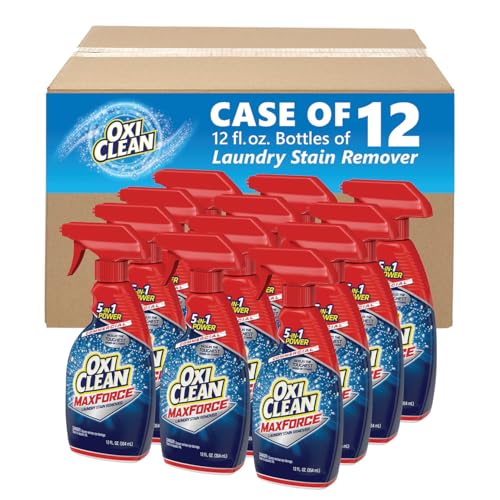
Common ingredients to look for include enzymes, oxygen bleach, or hydrogen peroxide, which can effectively tackle tough blemishes. Always test any cleaner in a discreet area prior to full application to detect any unforeseen adverse reactions.
If unsure about a particular product, checking online reviews or seeking guidance from customer service can provide clarity and confidence in your choice. Using the right commercial product can restore your item to its former state with minimal effort.
Preventing Future Stains on Furniture
I recommend applying a fabric protector spray to upholstery and cushions. This creates a barrier that repels liquids, making it harder for any substance to penetrate.
Setting rules for food and drink near delicate materials helps reduce risk. Designate specific areas for meals and ensure drinks are placed on coasters.
Regular maintenance, such as vacuuming and dusting, prevents particles from settling and potentially causing discoloration. Consider a routine cleaning schedule to keep surfaces fresh.
Acting quickly when any accidents happen is key. Blot immediately and treat any spills without delay to minimize damage. Establishing a quick response plan can save time and effort.
Consider using washable covers on frequently used pieces. These can be easily laundered, providing extra protection against unexpected accidents.
Lastly, educate family members about the importance of careful behavior around delicate items. Sharing tips on how to handle potential risks can significantly decrease the chances of unwanted marks.
FAQ:
What should I do immediately after a blood stain occurs on my furniture?
It’s important to act quickly when a blood stain appears. Blot the stain gently with a clean, dry cloth to absorb as much blood as possible. Avoid rubbing, as this can push the blood deeper into the fabric. If the stain is fresh, you can dampen the cloth slightly with cold water before blotting, but do not soak the area. After blotting, assess the type of material the furniture is made of to determine the best cleaning method.
Can I use household items to remove blood stains from my furniture?
Yes, there are several household items that can be effective in treating blood stains. For instance, a mixture of cold water and mild dish soap can help lift the stain. Another option is using hydrogen peroxide, but it’s crucial to test it on a small, inconspicuous area first to ensure it does not bleach or damage the fabric. Baking soda and vinegar can also be used; make a paste of baking soda with water, apply it to the stain, and let it sit before rinsing off. Always rinse the cleaned area with cold water afterward.
What should I avoid when cleaning blood stains from furniture?
There are several mistakes to avoid when cleaning blood stains. First, do not use hot water, as it can set the stain permanently. Avoid rubbing the stain, as this can make it worse. Also, steer clear of harsh chemicals or bleach, as these can damage the fabric and worsen discoloration. Instead, focus on gentle cleaning methods, and always test any cleaning solution on a small area first. Additionally, don’t forget to rinse the cleaned area thoroughly to remove any cleaning agents.
How can I remove a dried blood stain from my furniture?
Removing a dried blood stain can be more challenging, but it is possible. Start by gently scraping off any dried blood with a spoon or blunt knife. Then dampen the area with cold water to soften the stain. Apply a mixture of cold water and a few drops of dish soap or hydrogen peroxide directly to the stain, and blot with a clean cloth. You may need to repeat this process several times to fully remove the stain. Be patient, and remember to test any solution first to avoid damaging the fabric.
Is there a professional cleaning option for stubborn blood stains on furniture?
If home remedies fail to remove the stain, considering professional cleaning might be the next step. Many upholstery cleaning services have specialized techniques and products for treating tough stains, including blood. They possess the tools and expertise to minimize damage and optimize cleaning results. Before hiring a service, ensure they are experienced in dealing with similar situations and inquire about the methods they use to ensure the safety of your furniture.