Caleb Turner

Begin with a gentle, damp cloth to wipe down the surface, removing dust and grit that could cause scratches. Use distilled water, as it prevents mineral deposits from harming the appearance.
Next, apply a small amount of pure wax with a soft cloth. I recommend using a circular motion to ensure even application. Pay attention to areas with higher wear, such as edges and surfaces that see frequent contact.
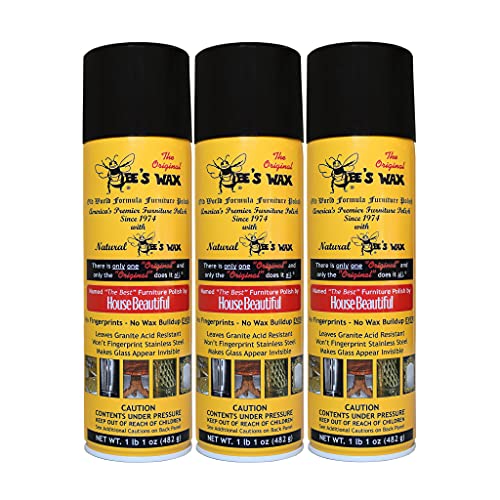


Allow the wax to dry for approximately 15 minutes, then buff it gently using a clean, dry cloth. This process enhances the luster and reinforces the protective barrier, keeping your beloved pieces in prime condition.
For deeper cleaning, consider a mixture of equal parts vinegar and olive oil. Apply it to a cloth, and then work it into the wood with care. This mixture helps rejuvenate the natural glow without stripping the protective layer.
Finally, avoid harsh chemicals and abrasive materials, as they can damage the surface. Regular maintenance will keep your treasured items looking fresh and beautiful for years to come.
Maintenance of Waxed Surfaces
For the upkeep of surfaces treated with a wax layer, I utilize a soft, lint-free cloth. This prevents scratching while removing dust and debris effectively. Always opt for a circular motion to eliminate residues without damaging the protective coating.
Spot Treatment for Stains
If I encounter stubborn marks or spots, I create a mixture of warm water and a few drops of mild dish soap. I dampen a cloth slightly with this solution, wring it out thoroughly, and gently dab the affected area. Afterward, I ensure to follow with a dry cloth to absorb any moisture and preserve the integrity of the wax barrier.
Refreshing the Surface
To rejuvenate the shine, I apply a specialized wax polish. Using a separate clean cloth, I apply a small amount, working it into the surface in a circular motion. I allow it to dry briefly before buffing it out with another clean cloth to enhance the look and protection of the surface.
Understanding Wax Finish on Furniture
Choosing the right approach for maintaining a surface treated with a protective coating involves understanding its characteristics. A natural product derived from plant sources, the coating provides a soft sheen and enhances the grain of the material beneath.
- Application creates a barrier against moisture and minor stains while allowing the underlying material to breathe.
- This type of coating adds a layer of warmth and depth, enhancing the overall aesthetic appeal.
- Periodic reapplication is essential to preserve the appearance, as exposure to dust and light can diminish its effect over time.
Recognizing how to identify a surface treated with this product is key. A gentle touch will reveal a soft, somewhat oily texture, which contrasts with more synthetic seals. If the surface feels slick or overly shiny, it likely has been treated with a different method.
- Observe whether water beads up when dropped on the surface, indicating a well-maintained barrier.
- Check for a subdued sheen; overly reflective surfaces suggest a different form of protection.
- Test a small hidden area with a damp cloth. If the color appears richer, it’s a sign of the treatment.
With the right knowledge, maintaining surfaces adorned with this natural coating can keep them looking their best for years, enhancing the unique charm of each piece.
Gathering Necessary Cleaning Supplies
I recommend assembling the following items before proceeding with maintenance tasks. First, procure a soft, lint-free cloth or a microfiber towel. These materials effectively trap particles without causing damage.
Next, choose a suitable solvent that is specifically formulated for care products. Read the label to ensure compatibility with your surface type.
Additional Tools
Consider using a soft-bristle brush for intricate areas that require extra attention. A small spray bottle is useful for applying liquids evenly without oversaturating the material.
Protective Measures
Don’t forget to wear gloves to safeguard your hands from chemicals, and have a bucket of warm water handy for rinsing. Proper preparation sets the stage for successful upkeep.
Diagnosing Stains and Damage on Waxed Surfaces
First, examine the surface closely under good lighting. Identify stains by their color and texture: dark spots might indicate moisture damage, while white or cloudy patches often signal heat exposure. For oily residues, a simple blot with a clean cloth can reveal the stain’s true nature by lifting the excess without spreading it further.
Common Issues and Their Causes
Scratches are frequent on softer materials, and I use a pencil or crayon that matches the furniture color to mask these imperfections temporarily. Water rings, typically appearing as light circles, require a gentle approach; applying a bit of olive oil can often reduce their visibility. If abrasion is significant, a repair wax stick can help fill deeper marks.
Identifying Repairs
Check for uneven tones or inconsistent gloss. If previous touch-ups seem apparent, evaluate if the prior treatment compromised the overall appearance. An improper application might necessitate a complete refresh to restore uniformity. Always remember, knowing the source of the damage aids in selecting the right restoration method.
Preparing the Furniture for Cleaning
Remove all items from the surface. This includes decorative objects, books, or any other belongings that may obstruct the cleaning process.
Dust off the area using a microfiber cloth. This step prevents dirt from mixing with any products used later and minimizes scratches.
If the piece is large, consider moving it to a well-ventilated space. Doing so allows for better air circulation as the cleaning products interact with the surface.
Check for loose parts or hardware. Tighten any screws or fasteners to ensure stability during the process.
Assure the environment is free from direct sunlight or extreme temperatures, as these conditions can adversely affect the materials.
Inspect for any damages such as cracks or scratches. Document any areas needing special attention so they can be treated appropriately later.
Quick Checklist:
- Clear the surface.
- Dust with a microfiber cloth.
- Move to a ventilated area if possible.
- Tighten loose hardware.
- Avoid direct sunlight and extreme temperatures.
- Inspect for damages and take notes.
Choosing the Right Cleaning Solution
I recommend starting with a mild soap solution made from natural ingredients. A mix of warm water and a few drops of liquid Castile soap works well without harsh chemicals. Test any solution on a small, inconspicuous area to ensure compatibility with the surface.
If dealing with tougher spots, consider a mixture that includes white vinegar diluted with water. This combination can help lift stains effectively while preserving the integrity of the surface. However, it’s crucial to avoid using straight vinegar, as its acidity can damage protective layers.
In instances where oil or grease is present, a gentle degreaser can be beneficial. Look for products labeled as safe for wood surfaces, ideally with natural ingredients. Follow the manufacturer’s instructions for dilution and application to prevent adverse effects.
For a final touch, using a furniture polish specifically formulated for treated surfaces can enhance shine. Always check the label to confirm it’s suitable for your specific type.
Ultimately, ensure that any cleaning solution I choose aligns with the material’s needs and the desired outcome, ensuring the longevity and appearance of the piece.
Applying the Cleaner to Wax Finish
I recommend working in small sections for optimal results. Using a soft, lint-free cloth, I apply the chosen solution directly onto the surface. It’s crucial to avoid soaking the material; a lightly dampened cloth works best. Gently rub the area in circular motions, allowing the cleaner to penetrate the protective layer.
After that, I ensure that the cloth is clean and dry, then buff the surface using another clean cloth. This step helps to remove any excess cleaner and restore sheen. It’s essential to keep the surface well-ventilated during the process to aid in drying and prevent keeping moisture trapped.
I also pay attention to the texture; if I feel stubborn spots, I can repeat the application, but I do so cautiously to avoid damaging the underlying layers. Patience is key; gradual treatment leads to a more polished appearance without compromising integrity.
Restoring Shine After Cleaning
I recommend using a high-quality beeswax or a blend of natural oils to rejuvenate the surface after maintenance. Apply a small amount onto a soft, lint-free cloth. Gently rub the product in a circular motion, ensuring even coverage across the entire area.
Select a clear or slightly tinted wax that matches the color of the surface for the best results. This will help to not only restore luster but also enhance the color and depth of the grain.
After applying the wax, allow it to sit for a few minutes to penetrate the surface. Buff the area with a clean section of the cloth, using a gentle but firm motion. This will help to bring out a rich shine and protect against future wear.
If the shine isn’t as pronounced as desired, repeat the application process. A second layer can enhance the overall appearance without causing buildup, as long as I maintain thin applications.
For long-term care, consider periodic applications based on usage and exposure to elements. This will keep surfaces looking their best and prolong the lifespan of the finish.
Maintaining Wax Finish Furniture After Cleaning
After cleansing, I ensure to reapply a fresh layer of wax to restore the protective coating. Using a soft cloth, I gently buff the surface in circular motions to promote an even application. This step not only enhances the shine but also offers additional protection against scratches and moisture.
Regular Inspections
I periodically inspect the surfaces for any signs of wear or dullness. Early detection allows for prompt attention to areas needing restoration, preventing further damage. A simple touch test can reveal whether a new application of wax is needed.
Environment Considerations
Maintaining an appropriate environment is key. I avoid placing these pieces in direct sunlight or areas with high humidity, as these conditions can deteriorate the protective layer. Additionally, using coasters and placemats can safeguard against heat and moisture damage from everyday items.
Avoiding Common Mistakes During Cleaning
Using excessive liquid is a frequent error I see while tending to treated surfaces. A damp cloth works best. Make sure to squeeze out any extra moisture to prevent saturation.
Applying harsh chemicals can lead to degradation. Always opt for pH-neutral solutions designed for delicate materials. To illustrate, here’s a basic comparison of effective and ineffective cleaning agents:
| Type | Effective Agents | Ineffective Agents |
|---|---|---|
| Natural | Vinegar and olive oil | Ammonia-based cleaners |
| Commercial | Specialized wood cleaners | Rug cleaners |
Neglecting to test any cleaner on a small, inconspicuous area first is a critical mistake. I always perform this step to check for adverse reactions. This precaution can save me from potential disaster.
Scrubbing Too Hard
Another pitfall is excessive scrubbing. I use a gentle touch with a soft cloth or sponge for any marks or dirt. Abrasive materials can mar the surface, leading to a dull appearance that detracts from its beauty.
Ignoring Regular Upkeep
Finally, I emphasize not overlooking routine maintenance. Regular dusting helps maintain the aesthetic appeal and functional quality. It’s easier to manage than dealing with accumulated grime or potential damage later on.