
 Caleb Turner

Begin by lifting the affected area gently with a fork or a similar tool to loosen the fibers. This technique helps to restore the plushness and overall appearance of the surface. Be cautious to avoid damaging the underlying foundation while doing this.
Next, steam is an excellent ally. Use a steam cleaner or a home iron set on the lowest setting with a damp cloth to provide moisture and heat to the area. The heat will relax the material, allowing the fibers to revert to their original position. After applying steam, follow up by using a towel to absorb any excess moisture.
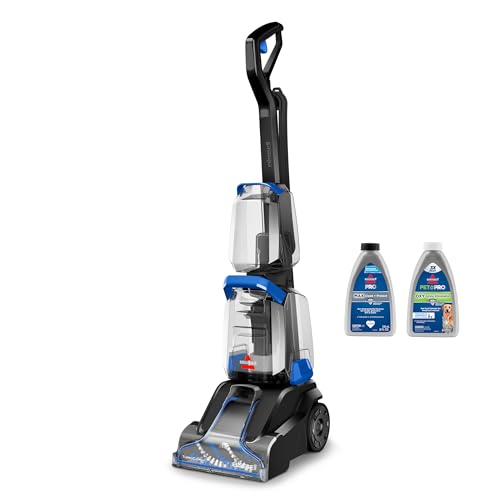


After these steps, assess the texture. If some areas remain flat, consider using a vacuum to further lift the fibers. Going against the grain of the material can enhance the look significantly. Completing the process with a brushing tool can help to smooth out the surface and ensure an even appearance.
Repairing Indentations from Heavy Items
To address marks left by bulky objects, I place a damp cloth over the affected area. Using a steam iron on low heat, I briefly hover it over the cloth. The steam helps to relax the fibers, allowing them to spring back. Caution is key; I ensure not to touch the iron directly to the fibers, which could cause damage.
After steaming, I use a soft brush to gently lift the fibers, guiding them into their original position. It’s important to be patient during this step to avoid causing further disturbance.
If the deep impressions persist, I consider a more targeted approach. I cut a small piece of similar material from a hidden section, such as under a couch or closet, to replace the damaged area. I ensure the dimensions match the impression, then apply a strong adhesive to secure it in place, carefully pressing it down for even adhesion.
I also try using ice cubes for shallow dents. Placing them directly onto the indentation allows the fibers to absorb moisture and expand as the ice melts. After a few hours, I check the spot and gently fluff the area. This method can be surprisingly effective for minor issues.
Regular rotation of items is a simple preventive measure. By moving heavy pieces periodically, I can minimize the likelihood of new marks and keep the flooring looking fresh.
Identify the Type of Damage
Assessing the harm to the flooring requires attention to detail. First, determine whether the issue is pile crush, permanent indentation, or discoloration. Each type demands a unique approach for restoration.
- Pile Crush: Look for flattened fibers that may appear dull or worn. This is typically due to heavy objects pressing down for extended periods.
- Permanent Indentation: Identify if there are lasting depressions in the material where weights have been resting. These marks may not recover naturally and need manual intervention.
- Discoloration: Examine the area for any color changes that could result from dirt accumulation or staining. This could arise from spills or the varnish used on the underlying furniture.
Once the specific type of damage is recognized, it becomes easier to determine the next steps for restoration. Addressing each kind effectively can significantly improve the appearance and longevity of the surface.
Choose the Right Tools for Repair
Gathering the appropriate instruments is vital for achieving satisfactory results. Here’s a list of tools I recommend keeping handy:
- Utility Knife: Essential for trimming and cutting.
- Measuring Tape: Necessary for precise dimensions of sections needing adjustment.
- Carpet Seam Tape: Useful for securing edges and maintaining a clean appearance.
- Iron: Facilitates adhesion of seam tape when combined with heat.
- Carpet Roller: Helps to firmly press seams together and eliminate air pockets.
- Staple Gun: Ideal for securing edges to the floor beneath.
- Scissors: For trimming stray fibers or small sections that need neatness.
- Vacuum: Essential for cleaning the area before starting any repairs.
Ensure these tools are in good working condition before commencing any restoration tasks. With the right equipment, the process will be smoother and outcomes more pleasing.
Additional Recommendations
- Patch Material: Have extra pieces of your specific flooring available.
- Adhesive: A strong carpet glue can be useful for difficult repairs.
- Safety Gear: Gloves and knee pads can prevent injuries during work.
With these tools, I find the repair experience becomes not only more manageable but also results in a more professional finish.
Clean the Affected Area Thoroughly
I begin by removing all loose debris from the stained section. A vacuum cleaner works wonders for this task, ensuring the surface is clear before addressing any discoloration.
Next, I prepare a mild cleaning solution. Mixing one tablespoon of dish soap or a dedicated carpet cleaner with two cups of warm water creates an effective blend. I make sure to test this on an inconspicuous area to confirm it’s safe for my fibers.
Using a clean, white cloth or sponge, I gently blot the stained area with the cleaning solution. I avoid scrubbing, as that can damage the texture. Instead, I focus on dabbing–working from the outer edges toward the center to prevent spreading the stain.
After blotting, I rinse the area with cold water using another clean cloth to remove any residue. It’s important to tackle this quickly to prevent a buildup of dirt and grime.
Finally, I utilize a dry towel to absorb any remaining moisture. Placing something heavy over the area, like a stack of books, helps it dry flat without forming new creases or indentations.
- Vacuum to clear debris.
- Prepare a mild cleaning solution.
- Gently blot with a clean cloth.
- Rinse with cold water to remove residue.
- Dry the area thoroughly.
Use a Carpet Rake to Restore Pile
A carpet rake effectively revitalizes flattened areas that occur under heavy items. This tool lifts and separates fibers, restoring their original texture. Select a rake designed specifically for textile surfaces to ensure optimal results.
Steps for Utilizing a Carpet Rake
Begin by ensuring all loose debris is removed from the surface. Then, gently run the rake over the affected sections, applying a light pressure to avoid damaging the fibers. Move in various directions to achieve the best lift, following the natural grain of the material.
| Step | Description |
|---|---|
| 1 | Clear debris from the surface thoroughly. |
| 2 | Gently rake in multiple directions for even restoration. |
| 3 | Inspect and repeat if necessary for additional lifting. |
This method not only enhances appearance but also prolongs the life of the textile surface. Regular maintenance using a rake contributes to a well-kept look, minimizing the impacts of weight. Integrating this practice into your cleaning routine can keep your environment looking fresh and inviting.
Consider Steam Cleaning for Deep Issues
If stubborn stains or lingering odors persist despite surface cleaning, employing steam cleaning can be an advantageous choice. This method penetrates fibers to lift dirt and grime, providing a thorough cleanse that regular cleaning cannot achieve. Select a high-quality steam cleaner, ensuring it reaches temperatures above 200°F for effective sanitization.
Prior to starting, vacuum the region to eliminate loose debris. Afterward, evenly distribute the steam across the fabric, allowing it to saturate. Follow this with a soft brush to lift any matted fibers while the steam is still active. For optimal results, tackle one section at a time, ensuring moisture doesn’t cause additional damage.
After steam treatment, let the area dry completely to prevent mold growth. A fan can expedite the drying process, ensuring that any residual humidity quickly dissipates. Once dry, a final grooming with a carpet rake will help restore the texture and appearance, leaving the fibers rejuvenated.
Patch Small Holes or Snags Appropriately
Using a carpet patching kit is the best approach for addressing tiny openings or frayed sections. Select a piece of spare fabric, preferably from an inconspicuous area or leftover from installation, ensuring the color and texture match closely. Cut the patch slightly larger than the damaged part.
Apply a carpet adhesive to the back of the patch and position it over the hole. Firmly press down to secure it, ensuring there are no air bubbles trapped underneath. For extra durability, weigh it down with a heavy object for several hours. Once set, trim any excess with a sharp utility knife to achieve a seamless look.
Simplifying Snag Repairs
If encountering snags, carefully pull the tuft back into place using tweezers or a specialized carpet tool. If the snag is too long or unruly, cut the excess without disturbing adjacent fibers. Use a small amount of adhesive to hold the tuft if it remains loose. For a pristine finish, lightly vacuum the area after repairs to blend it with surrounding fibers.
Apply Carpet Fiber Repair Kits When Needed
When I notice signs of wear on my flooring, I reach for a carpet fiber repair kit. These kits typically include color-matched fibers, adhesive, and tools for precise application.
First, I make sure to select a kit that matches the specific hue and texture of my flooring. This ensures a seamless blend with the existing material. Once I have the right kit, I prepare the damaged area by cleaning it thoroughly to remove any dirt or debris.
Next, I measure the affected spot and use the provided tools to apply the adhesive, followed by the fiber strands. It’s important to press them down firmly and evenly to avoid any noticeable bumps. After allowing enough time for the adhesive to set, I can gently trim any excess fibers to create a uniform surface.
Finally, I recommend using a carpet rake or brush to blend the repairs with the surrounding areas, restoring a more consistent appearance. Following these steps minimizes the visibility of any repairs, keeping my space looking well-maintained.
Use Weight to Flatten Indentations
To restore flattened areas from heavy objects, I often utilize weights. Gather a collection of heavy items, such as books or bricks, and distribute them evenly across the indented parts. Aim for at least 24 hours to allow the fibers to regain their original shape.
Steps to Follow
- Ensure the area is clean and free from dust.
- Place weights directly on the indentations, ensuring they don’t shift easily.
- Leave weights in place for an extended period. The longer, the better.
- Remove weights and inspect for improvements. If needed, repeat the process.
Additional Tips
Consider using a soft towel between the weight and the surface to avoid any potential damage. Maintaining consistent pressure helps the fibers reshape effectively.
| Weight Types | Recommended Duration |
|---|---|
| Books | 24-48 hours |
| Bricks | 48-72 hours |
| Bags of Rice | 24 hours |
Regular Maintenance to Prevent Future Damage
Establish a routine for vacuuming at least once a week. This helps to remove dirt and debris that can cause fibers to wear down over time.
Use a carpet protector spray periodically to create a barrier against spills and stains. Apply it following the manufacturer’s instructions for the best results.
Arrange items on the flooring in such a way that weight distribution is even. This practice minimizes the risk of indentations forming.
Rotate heavy furniture every six months. This action reduces the chance of permanent impressions in the material.
Use coasters or pads under heavy objects to provide additional support, preventing excessive pressure on surfaces.
Immediately address spills with a blotting technique. Avoid rubbing, which can push stains deeper.
Consider professional deep cleaning every 12-18 months. This not only refreshes appearance but also maintains integrity by removing embedded dirt.


