
 Caleb Turner

To maintain the beauty of your handwoven items, it is crucial to regularly dust and clean them. A soft, dry cloth or a vacuum with a brush attachment will do wonders in removing dirt and debris. This simple practice prevents the accumulation of grime that can lead to deterioration over time.
For deeper cleaning, a mixture of mild soap and warm water can be applied carefully. Use a clean sponge or cloth to gently wipe the surface, ensuring not to oversaturate the material, as excess moisture can cause warping. Rinse with a damp cloth and allow the piece to air dry completely, preferably in a shaded area to avoid sun damage.


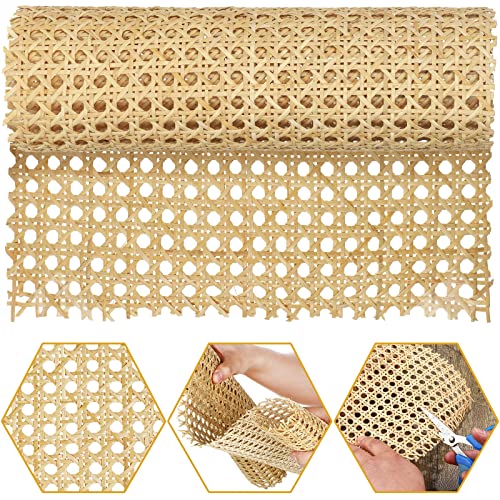
Protecting against pests is equally important. Employing a natural deterrent, such as cedar oil or lavender sachets, can help keep unwanted insects at bay. Regularly inspect your items for signs of infestation, and act promptly if any issues arise. Proper care ensures that your woven treasures endure the test of time.
Care for Rattan Pieces
Regularly dust to maintain cleanliness. Use a soft, dry cloth or a vacuum with a brush attachment to avoid scratching the surface. For deeper cleaning, create a mild solution of water and dish soap.
- Dampen a cloth with the solution.
- Wipe the surface gently, ensuring moisture doesn’t penetrate the material.
- Immediately follow with a dry cloth to absorb any excess moisture.
To prevent fading from sunlight exposure, avoid placing these items in direct sunlight. If fading occurs, reposition your pieces periodically to allow for even light distribution.
Protection from Damage
Apply a thin layer of furniture polish specifically designed for woven items every few months to provide a protective barrier. Always test in a small area first to ensure compatibility.
- Use a soft cloth to apply polish in a circular motion.
- Buff with a clean cloth for shine.
Keep these items away from excessively humid or dry environments. If the air is too dry, the material may crack; use a humidifier in such cases to maintain optimal moisture levels.
Handling Repairs
For minor repairs, use a clear adhesive suitable for woven items. Apply carefully with a fine brush to avoid excess glue on visible areas, allowing ample time for drying.
- Replace any broken strands methodically to preserve the integrity of the design.
- If damage is extensive, consider consulting a professional for restoration.
Understanding the Material Properties of Cane
It’s crucial to recognize that this natural material possesses unique characteristics affecting its longevity and appearance. The fibers of the product are lightweight yet strong, providing resilience against wear. However, they also require careful handling to maintain their integrity.
| Property | Description |
|---|---|
| Flexibility | These fibers bend well, making them suitable for intricate designs without breaking. |
| Porosity | Being porous allows for breathability, which can help prevent moisture retention but also means they are susceptible to staining. |
| Durability | While robust, this material can degrade over time if not protected from extreme conditions, such as excessive humidity or direct sunlight. |
| Finish Compatibility | Certain varnishes and oils might enhance or alter the appearance. Testing is necessary before full application. |
| Color | The color may vary naturally, showcasing different shades that contribute to its aesthetic appeal. |
Understanding these attributes informs better practices for care and maintenance, ensuring longevity and elegance in my pieces.
Cleaning Guidelines for Cane Furniture
I recommend using a soft, dry cloth to dust regularly. This prevents buildup and maintains the appearance. For tougher marks, a damp cloth slightly moistened with water is effective. Avoid soaking the material to prevent damage. Using a gentle soap solution can also help, but ensure it is rinsed off thoroughly and dried promptly.
To remove stains, I suggest using a mixture of equal parts white vinegar and water. Apply it with a soft sponge and gently blot the area instead of rubbing. Afterward, wipe with a damp cloth and dry the surface completely.
For deeper cleaning, vacuuming can be beneficial. Utilize a brush attachment to gently remove dust and debris from the crevices. This method ensures that dirt does not accumulate over time.
Be cautious with cleaning products; avoid those containing harsh chemicals or abrasive materials. They can compromise the finish and integrity of the woven material. Always test any product on a small, inconspicuous area first.
If the item has been exposed to moisture, it’s important to let it dry thoroughly in a well-ventilated area. Sunlight can also help but limit exposure to direct sunlight for extended periods to prevent fading.
Applying Protective Coatings on Cane
I recommend using specialized outdoor varnish or polyurethane for safeguarding the surface of your woven pieces. These coatings form a barrier against moisture and UV rays, prolonging the lifespan of the strands. Begin by ensuring the surface is clean and dry; any dirt or grime can interfere with adhesion.
Choosing the Right Product
Select a water-based finish for ease of application and fast drying times. Alternatively, an oil-based option provides a more durable layer but may require a longer curing period. Read the manufacturer’s instructions to confirm compatibility with your specific type of material.
Application Process
<p Employ a soft brush or a lint-free cloth for even coverage. Apply thin layers, allowing ample drying time between applications–typically 2-4 hours. For maximum protection, aim for at least three coats, focusing on high-contact areas where wear is most likely. This strategy ensures uniformity and optimal durability.
Repairing Common Damages to Rattan Items
For minor breaks, use a strong adhesive specifically designed for natural fibers. Apply it generously to both sides of the fractured area and hold together until set. For faster results, clamps can be used.
Reweaving Techniques
If sections of the weaving have come loose, I recommend purchasing replacement material or using similar fiber. Follow these steps:
- Remove the damaged strand carefully.
- Cut a new piece of material to size.
- Begin weaving it back into the existing pattern, ensuring a tight fit.
- Secure the end with adhesive or a small knot, if applicable.
Dealing with Surface Scratches
Scratches can be minimized using fine sandpaper. Lightly sand the affected area in the direction of the grain. Once smooth, apply a suitable oil or wax to restore the sheen.
For deeper scratches, fill them with a wood filler that matches the hue, allow it to dry, and then sand and polish to blend in.
- Check for loose connectors; tighten with a screwdriver.
- Inspect legs for wobbling; add felt pads or shims to stabilize.
- If discoloration occurs, a gentle polish might help restore appearance.
Regular examinations allow for prompt repairs, prolonging the lifespan of these natural products. Adopting these methods keeps my collection looking appealing while maintaining structural integrity.
Choosing the Right Upholstery for Cane Pieces
Selecting the appropriate fabric for your woven seating options is crucial for both aesthetics and durability. I recommend considering materials that can withstand varied usage while enhancing comfort.
- Durable Fabrics: Look for textiles like polyester or acrylic blends. They resist fading and wear, making them suitable for high-traffic areas.
- Natural Fibers: Linen or cotton can provide a softer touch, but ensure they are treated for stain resistance. This can prolong their lifespan without sacrificing comfort.
- Performance Upholstery: If the seating will face heavy use, consider performance options that repel moisture and stains. These can elegantly combine style and function.
- Patterns and Colors: Choose colors that complement the warm tones of the woven elements. Patterns can also hide stains better than solid colors, enhancing longevity.
- Testing Samples: Before making a final decision, obtain swatches. Placing them against your pieces helps visualize the overall look. This step is often overlooked but can prevent costly mistakes.
Avoid overly complicated designs that may clash with the natural beauty of the materials. Simple, clean lines can enhance the overall appearance without detracting from the craftsmanship of the weaving.
Pay attention to the weight and thickness of the fabric. Heavier materials can last longer, but ensure they suit the style of the adjoining decor. Observing these aspects ensures a harmonious blend in your interior space.
Seasonal Maintenance Tips for Cane Furniture
Regular inspections during seasonal changes can prevent long-term deterioration. Examine for cracks or looseness, especially after humid or dry spells, as fluctuations in humidity affect the structure. Tighten any loose joints promptly to maintain stability.
Spring and Summer Care
During warmer months, apply a light coat of protective wax every few months. This helps seal moisture and provides a barrier against spills. Keep the pieces away from direct sunlight to prevent fading and dry rot, positioning them in shaded areas.
Autumn and Winter Precautions
In colder months, increase humidity levels in the environment using a humidifier. This prevents brittleness caused by dry air. Additionally, store cushions indoors when not in use to protect upholstery from moisture and temperature changes. A thorough dusting followed by a gentle wipe with a damp cloth will remove any accumulated dirt.
| Season | Maintenance Tip |
|---|---|
| Spring | Apply protective wax. |
| Summer | Avoid direct sunlight. |
| Autumn | Increase humidity indoors. |
| Winter | Store cushions inside. |
Consistency in seasonal upkeep can greatly extend the lifespan of your pieces, ensuring they remain both functional and visually appealing.
Best Practices for Storing Cane Furniture
Always keep items in a dry, well-ventilated space to prevent moisture buildup, which can lead to mold or rot. Use breathable covers, preferably cotton, to shield from dust while allowing air circulation.
Avoid placing them directly on concrete or cold floors. Instead, utilize coasters, pads, or pallets to elevate and promote airflow beneath. This minimizes contact with cold surfaces that can compromise the integrity of the materials.
Limit exposure to direct sunlight. Sunlight can cause fading and weaken fibers, so choose a shaded storage location. If frequently moving pieces, consider using padded dollies to prevent scratches and damage during transport.
Regularly check for pests like termites or wood-boring insects in the storage area. If signs of infestation appear, treat the area immediately to protect the items. Maintain cleanliness in the storage space as crumbs and moisture can attract pests.
Organize the space to prevent heavy objects from crushing lighter pieces. Stack smaller items to save space, but avoid stacking too high to avoid tipping. When needed, store items upright to maintain their original shape.
Avoiding Environmental Hazards for Cane
Ensure proper ventilation when working with natural materials. Excess moisture can lead to mold growth, weakening the integrity of the item. Store pieces in a dry environment and avoid damp locations.
Protect against direct sunlight exposure, which can cause fading and brittleness. Use curtains or place objects in shaded areas to minimize damage from UV rays.
Be cautious with temperature fluctuations; extreme heat or cold can warp and crack the structure. Maintain a stable climate in storage and display areas.
Keep away from chemical cleaners and solvents. Instead, opt for mild, natural cleaning options to prevent deterioration. Always test any product on a small, inconspicuous area first.
Implement insect repellent methods. Regularly checking for pests, such as termites, can prevent extensive damage. Utilize natural deterrents like essential oils to safeguard against infestations.
Consider using beeswax or other natural waxes occasionally. This can enhance the barrier against humidity and environmental factors. Apply in light coats, ensuring thorough coverage.
Utilize breathable covers when storing items for extended periods. This minimizes dust accumulation while allowing airflow to prevent moisture retention.
Regular inspections for signs of wear or damage are beneficial. Timely repairs can guard against further deterioration and preserve the lifespan of the piece.
Restoring Vintage Cane Furniture to Its Former Glory
Assess the condition of your vintage piece before beginning restoration. Look for signs of wear, discoloration, or damage. If the weaving is intact but faded, consider using a fabric dye designed for natural fibers to refresh the color without compromising integrity.
Cleaning and Preparation
Use a soft brush or a vacuum with a brush attachment to remove dirt and dust from crevices. Prepare a gentle cleaning solution with water and a few drops of mild soap; apply it with a soft cloth. Avoid soaking the material, as excess moisture can weaken the structure. Always dry thoroughly in a well-ventilated area.
Reweaving and Repairs
For sections with broken or loose weaving, locate the original material if possible. If not available, select a similar natural fiber. Begin at one end and follow the existing pattern for reweaving. Secure with a strong adhesive if needed. For structural repairs, consider using wood glue for joints or weak areas, and clamp them until set.
Apply a protective sealant once repairs are complete. Choose a clear finish appropriate for natural materials, ensuring it allows the piece to breathe while providing a barrier against moisture and UV damage. Regularly inspect your restored item, addressing minor issues before they escalate.
FAQ:
What are the basic steps for cleaning cane furniture?
To clean cane furniture, begin by removing any dust with a soft, dry cloth or a vacuum with a brush attachment. Next, mix a mild soap solution with warm water and use a soft cloth to gently wipe down the surface. Avoid soaking the cane, as excessive moisture can damage it. After cleaning, rinse with a damp cloth and dry thoroughly with a towel to prevent mold growth.
Can I use any furniture polish on cane furniture?
No, it’s best to avoid using standard furniture polish on cane furniture, as these products can leave a residue that may attract dust and dirt. Instead, use a natural oil, like lemon or linseed oil, which can nourish the cane and help maintain its appearance. Apply a small amount on a soft cloth and gently rub it into the cane. Make sure to wipe off any excess to prevent stickiness.
What should I do if my cane furniture has small tears or breaks?
If you notice small tears or breaks in the cane, there are some methods for repair. First, you can use a suitable adhesive designed for wicker or cane to glue the broken pieces back together. For larger tears, you may need to weave in new cane material or patch the area with fabric or tape that matches the furniture. If you’re unsure about repairing it yourself, consider consulting a furniture restoration professional.
How can I protect my cane furniture from sun damage?
To protect cane furniture from sun damage, position it away from direct sunlight whenever possible. If that’s not feasible, consider using sheer curtains or window films to diffuse sunlight. Additionally, applying a UV protective spray specifically designed for wicker or cane materials can help shield it from harmful rays and prevent fading or drying out.
Is it safe to use water to clean cane furniture?
Using water to clean cane furniture requires caution. While a damp cloth can be used for light cleaning, soaking the cane or using excessive water can lead to damage, such as mold or weakening of the material. It’s advisable to use only a small amount of water mixed with soap for cleaning and to ensure that the cane dries completely afterward. Avoid using any cleaning methods that involve soaking.
What are the best cleaning methods for cane furniture?
To clean cane furniture effectively, start by dusting it with a soft, dry cloth to remove surface dust. For deeper cleaning, make a solution of mild soap and warm water. Use a damp cloth to gently wipe the cane, avoiding excess moisture that can damage the material. After cleaning, dry the furniture with a soft towel. For stubborn stains, a mixture of white vinegar and water can work well. Always test cleaning solutions on a small, inconspicuous area first to ensure there’s no damage.


