Caleb Turner
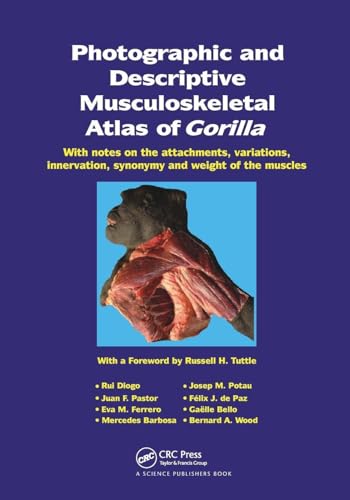
When it comes to the strength of these magnificent creatures, the average adult male can effortlessly hoist between 800 to 1,200 pounds. This is largely due to their incredible muscle density and overall physical structure, which allows them to perform impressive feats of strength, surpassing many human athletes.
For those curious about specific lifting capabilities, it’s noteworthy that studies indicate that they can press weights equivalent to that of several fully grown humans. This makes them not only fascinating subjects of study but also a point of admiration for their sheer power.
Understanding their physical prowess can also provide insights into their behavior and social structure. The muscular development of these animals is not just for show; it plays a crucial role in their ability to climb, forage, and protect their territory. Observations in the wild suggest that strong individuals often gain preferential access to resources, which further emphasizes the importance of strength in their natural habitat.
Strength Metrics of a Primate
Reports indicate that an adult male of this species can exert a force equivalent to lifting approximately 1,800 pounds (about 816 kilograms) in terms of leverage and muscle power. This exceptional strength allows them to perform remarkable feats, such as bending iron bars or breaking through dense foliage effortlessly.



When assessing the raw lifting capability without any mechanical advantage, estimates suggest an upper limit of around 400 to 600 pounds (180 to 272 kilograms) for vertical lifts in a controlled environment. These numbers highlight the muscular development and physical conditioning of these animals that adapt to their natural habitat.
Research on their biomechanics reveals superior muscle fiber composition, particularly in the upper body. This advantageous structure provides substantial pulling and lifting strength compared to human standards, allowing them to navigate complex terrains easily.
In wildlife sanctuaries and rehabilitation centers, caretakers often utilize weights to track the fitness of these mammals. Routine assessments show fluctuations based on diet, age, and health status, providing insights that inform proper care and habitat enrichment strategies.
For those interested in strength training or fitness parallels, drawing inspiration from these magnificent beasts can motivate rigorous workout routines focused on upper body strength and functional movements that mirror their capabilities.
Average Lifting Capacity of Adult Gorillas
The typical adult member of this species is adept at lifting approximately 1,800 pounds (about 816 kilograms). This impressive strength is a sum of their robust musculature, which is well adapted for their lifestyle in the wild.
Factors influencing their lifting capability include:
- Physical condition: Health status greatly impacts muscle strength and endurance.
- Age: Younger individuals often exhibit greater agility and lifting ability compared to older counterparts.
- Sex: Males generally demonstrate superior lifting prowess than females due to larger muscle mass.
- Training: Captive specimens can develop enhanced strength through regular exercise routines.
In controlled environments, these creatures can display extraordinary potential when engaging with objects heavier than their own body weight, showcasing their natural power. Observing these animals lifting overhead up to 2.5 times their mass offers insight into their incredible physical abilities.
This remarkable lifting strength allows them to manipulate their surroundings effectively, whether it involves foraging for food or engaging in social interactions within their groups. Understanding these capabilities contributes to the ongoing research and conservation efforts aimed at protecting their habitats and ensuring their longevity in the wild.
Factors Influencing Gorilla Strength
Age significantly impacts physical capabilities. Adult individuals exhibit peak strength around 10-12 years, gradually diminishing as they age. In contrast, younger specimens may lack the muscle mass required for heavy lifting.
Sex also plays a crucial role. Males generally possess greater muscle density and size compared to females, enabling them to exert more force. This biological difference explains variations in lifting capacities between genders.
Nutrition and Diet
Dietary components significantly affect muscle development. A high-protein diet enriched with fruits, vegetables, and nuts fosters muscle growth. Nutritional deficiencies can hinder the potential strength of these primates.
Genetic Factors
Genetics influence overall morphology and muscle structure. Certain gene expressions contribute to the distribution of muscle fibers, dictating strength levels. Some specimens may naturally exhibit greater physical prowess due to their genetic makeup.
Comparison with Human Lifting Abilities
In direct comparison, the strength exhibited by an adult male of this species is vastly superior to that of an average human male. While a typical man can deadlift around 1.5 times his body weight, a strong adult from this primate group can exert force equivalent to 8 to 10 times his own weight. For instance, an individual weighing 400 pounds may lift upwards of 3,200 to 4,000 pounds, showcasing an extraordinary physical capability.
Analyzing the mechanics, the upper body strength, particularly in the shoulders and arms, allows these creatures to perform feats that exceed human limitations. In contrast, humans rely on a more varied range of motor skills and techniques to lift weights, which limits raw power output. Athletes train specifically to maximize their lifting capacities, but still rarely approach the brute force available to our close relatives.
Factors affecting the lifting abilities of humans include muscle composition, training, endurance, and technique. Despite physical conditioning and advancements in strength training, the baseline strength of an adult of this species remains significantly higher due to evolutionary factors, such as muscle fiber distribution and anatomical structure tailored for strength-focused tasks.
In various contexts, these differences play out dramatically. For tasks requiring sheer lifting strength, such as moving large boulders or uprooting trees, the capabilities of these animals far surpass human efforts, highlighting the specialized adaptations that facilitate their incredible lifting power.
Muscle Composition and Anatomy of Gorillas
The muscle structure in these primates differs significantly from that of humans, which directly affects their physical capabilities. Muscle fibers are predominantly composed of fast-twitch fibers, allowing for explosive strength and power. A higher proportion of these fibers enables efficient short bursts of energy, essential for climbing and defending territory.
Body mass and size play crucial roles in the overall power output. Males often weigh between 300 to 485 pounds, and their muscle mass contributes significantly to lifting and manipulation of heavy objects. In contrast, females typically weigh around 150 to 250 pounds, with a different distribution of muscle and fat. This discrepancy leads to variations in strength and power dynamics.
The skeletal system is also adapted for strength. Gorillas possess a robust bone structure, which supports greater muscle attachment points, enhancing leverage. The arms are particularly well-developed, featuring larger biceps and triceps compared to leg muscles, promoting superior upper body strength. The shoulder joints allow for greater range of motion, facilitating climbing and swinging through trees.
| Muscle Type | Characteristics |
|---|---|
| Fast-twitch | Provides explosive strength and power |
| Slow-twitch | Supports endurance but less prevalent |
| Muscle Mass | Higher in males, aiding in lifting capacity |
Additionally, hormones such as testosterone significantly impact muscle growth. Males produce more testosterone, resulting in increased muscle mass and density, contributing to higher lifting potential. Nutrition plays an equally critical role; a diet rich in fruits, leaves, and occasionally insects supplies the necessary nutrients to support muscle development.
Understanding the anatomical and muscular differences between gorillas and humans is instrumental in appreciating their raw physical power and capabilities. This knowledge can enhance efforts in conservation, rehabilitation, and the overall study of these remarkable creatures.
Real-Life Incidents of Gorilla Strength Demonstrations
One striking example of these magnificent animals showcasing their power occurred at the Gorilla World exhibit in a major zoo. A young male named Jambo effortlessly lifted a 400-pound log and tossed it across his enclosure, captivating onlookers and reinforcing the immense physical capabilities of these primates.
Encounters with Enclosures
- In a notable incident, a silverback named Kumbuka managed to escape his habitat by breaking a 5-inch-thick glass barrier. This incident highlighted not only the brute force of the creature but also the limitations of human-designed enclosures.
- Another incident involved a gorilla in a wildlife park who overturned a metal feeding station weighing approximately 800 pounds. This ability to displace heavy objects emphasizes their raw strength and problem-solving skills.
Interactions with Humans
- During a training session, a well-known gorilla named Bongo assisted trainers by lifting large weights, around 300 pounds, that were part of a behavior enrichment program, showcasing the potential for collaboration between humans and primates.
- In a rare moment captured on video, a gorilla intervened during a dispute between two zookeepers, using its physical presence to separate them; this situation demonstrated not only strength but also the impressive intelligence of the species.
These instances exemplify the substantial physical prowess displayed by these extraordinary beings, illustrating their strength beyond mere speculation. It is essential to recognize and respect their capabilities in both captive and wild environments.
Implications for Conservation and Habitat Protection
The remarkable physical attributes of these primates underscore the urgency for their conservation. Protecting habitats becomes essential not only for their survival but also for maintaining the balance of ecosystems where they play a vital role. Habitat loss, primarily due to deforestation and human encroachment, poses significant threats. Conservation efforts must focus on creating and enforcing protected areas that support the natural behaviors and movements of these creatures.
Strategies for Effective Preservation
Implementing strategies such as sustainable land use practices can mitigate habitat destruction. Collaborating with local communities to promote wildlife-friendly agriculture helps create a buffer zone around protected habitats. Education and awareness campaigns are crucial to inform people about the ecological importance of preserving these areas. Additionally, monitoring and research initiatives can track population changes, informing conservation strategies tailored to specific environmental challenges.
Role of Legislation and Policy
Strong policies and legislation aimed at safeguarding natural habitats are imperative. Global cooperation is necessary to enforce regulations against poaching and illegal wildlife trade, which endanger these animals. Supporting wildlife corridors that enhance connectivity between fragmented habitats allows for genetic diversity and healthier populations. Investing in conservation programs not only aids these primates but also enriches biodiversity, benefiting the entire ecosystem.