Caleb Turner

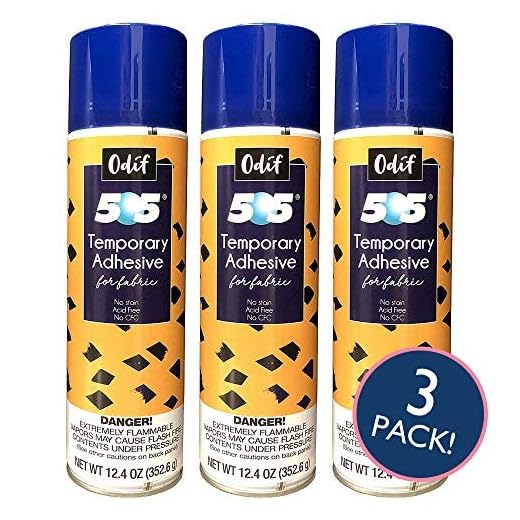
To address worn-out areas on your beloved seating, I recommend opting for high-quality fabric adhesive. This will provide a strong bond, ensuring a lasting fix. Clean the surface thoroughly before applying the adhesive; dirt and oils can hinder the effectiveness.
Next, use a sharp pair of scissors to trim any frayed edges. This step not only improves the appearance but also prepares the fabric for a smooth application. When you position the material, make sure it aligns perfectly with the existing fabric to maintain a seamless look.
For deeper damages, consider patching. Select a patch that closely resembles the original fabric–this will help in blending the repair. Apply a thin layer of fabric adhesive to both the patch and the damaged area. Press down firmly, and cover with a cloth to prevent any glue seepage while it dries.

Finally, don’t overlook the importance of reinforcement. Using upholstery tacks or a staple gun can provide additional support to ensure your repair withstands daily use. Choose a finish that complements the original design, enhancing both durability and aesthetics.
Guidelines for Restoring Upholstered Pieces
Begin with identifying the type of damage present. If the fabric has tears, use a needle and thread in a matching color to sew the edges together. For larger cuts, consider using a patch from a similar material; secure it with fabric glue before sewing around the perimeter for added durability.
Next, assess the cushioning. If it feels flat, replace it with new foam. Measure the dimensions of the existing padding and purchase a comparable thickness to maintain comfort and support. Cut the foam to size, then place it inside the frame or cover.
If there are stains, treat them prior to cleaning. Dab a mixture of mild detergent and water onto the area with a cloth. Avoid soaking the fabric. For tougher spots, spot-clean using an appropriate upholstery cleaner, ensuring to test it in an inconspicuous area first.
Reupholstering may be an option if the fabric is beyond repair. Remove the old covering by taking off staples carefully, then lay down the new fabric, fastening it securely with a staple gun. Ensure the fabric is taut and aligned properly to avoid wrinkles.
Lastly, inspect the frame. Tighten loose joints with wood glue or screws as necessary, ensuring stability. A well-secured structure extends the longevity of your revamped seating.
Identifying Common Upholstery Problems
Before tackling any job, I look for signs of wear and tear. Stains, fading, and fraying are the first clues that indicate deterioration. Pay close attention to corners and seams; they often bear the brunt of use.
Stains and Discoloration
When I notice a stain, I assess the type – whether it’s from food, drink, or dirt. Immediate treatment is crucial. I use a mild detergent mixed with water, applying it with a clean cloth to lift the spots gently. For old stains, a specialized cleaner may be needed, depending on the fabric.
Loose or Torn Fabric
Checking for loose areas or small tears is next. I use fabric glue or a needle and thread for minor repairs. If it’s a larger rip, patching may be necessary. I look for similar fabric or use an iron-on patch that matches the color and texture.
Gathering Necessary Tools and Materials
Ensure you have the following items before proceeding: a staple gun, staples, a utility knife, fabric scissors, a screwdriver, and a pair of pliers. These tools are essential for handling various tasks related to reupholstering.
Materials for Recovery
Select an appropriate type of fabric based on durability and aesthetics. Natural fibers like cotton or linen work well for breathable surfaces, while synthetic materials like polyester offer resistance to stains. Foam padding is also necessary if you’re replacing or adding cushioning. Measure the dimensions needed accurately to avoid excess waste.
Additional Supplies
Don’t overlook items like upholstery tacks, glue, and batting. Tacks offer decorative benefits and secure fabric in place, while glue provides added stability at seams. Batting smooths out surfaces, reducing wrinkles and giving a polished finish.
Replacing Damaged Upholstery Fabric
To replace torn or stained material, first remove the damaged section carefully. Use a seam ripper to detach it from the underlying structure without harming the padding or frame.
Next, measure the area that requires new fabric. Cut a piece of the replacement material, ensuring it extends an inch beyond the edges to allow for tacking down securely.
Before attachment, inspect the original padding. If it shows wear, consider replacing or adding fresh padding for better comfort. Once ready, lay the new fabric over the area, aligning it perfectly. Staple or nail it down, pulling the fabric taut to avoid sagging.
For a neat finish, fold the edges of the fabric under before securing. If the project requires a more polished look, use piping or trim along the seams.
Finally, ensure everything is secured properly and check for any unevenness or wrinkles. With careful attention to detail, the new covering will enhance the overall appearance and durability of the piece.
Repairing Worn-out Cushions and Padding
Replacing or refreshing cushions is a straightforward process that can rejuvenate the appearance and comfort of your seating. Begin by removing the cushions from the frame, ensuring you check for any hidden fasteners or zippers.
Assessing the Damage
Look for signs of wear such as flatness, lumps, or unevenness. If the foam is compressed, it may require complete replacement. Measure the dimensions of each cushion to ensure accurate replacements.
Choosing New Filling Materials
Common options include traditional foam, memory foam, or polyester fiberfill. Foam offers firm support, while memory foam provides contouring comfort. Polyester fiberfill is lightweight and inexpensive, suitable for less-used pieces. Consider the density and thickness based on how the cushion will be used.
| Material | Characteristics | Best Use |
|---|---|---|
| Foam | Sturdy and supportive | Daily use, sofas |
| Memory Foam | Supportive and moldable | Comfort-focused seating |
| Polyester Fiberfill | Soft and fluffy | Occasional use, decorative cushions |
Cut the new material to size based on your measurements. Ensure that the new foam fits snugly within the covers to avoid shifting. For a snug fit, consider adding a layer of batting around the foam before inserting it into the cushion cover.
Lastly, reseal the cushion covers carefully, whether through stitching or zippers. This will maintain their shape and ensure the longevity of your cushions. Regular fluffing and rotating can further extend the life of the new filling.
Fixing Broken Frames and Structure
Evaluate the damage thoroughly. Look for cracks, warps, or breaks in the frame. A sturdy repair starts with a solid foundation.
Use wood glue for small cracks. Apply it generously, clamp the area, and allow it to cure fully according to the manufacturer’s instructions. This method is effective for minor issues.
For more serious breaks, consider reinforcing the structure:
- Introducing corner brackets can provide additional support.
- Wood dowels are beneficial for adding strength to the joints. Drill into the frame, insert dowels with glue, and reassemble.
- For extensive damage, replace the entire broken section with new wood. Cut to fit and secure it using screws for enhanced stability.
After addressing the structural issues, check for sagging. If the seat or back is sunken, adding additional supports may be necessary:
- Install plywood underneath the cushions for added sturdiness.
- Adjust springs if they’re loose or damaged; replace them if needed.
Finally, inspect the legs and feet. They should be securely attached. Use wood glue or screws to lock them in place. For stability, consider adding felt pads to prevent slipping and protect flooring.
Cleaning and Maintaining Repaired Upholstered Furniture
Regular upkeep is key to extending the life of my restored seating. I prioritize gentle cleaning techniques to preserve the integrity of the materials used in the repair process.
Routine Cleaning
- Use a soft brush attachment on a vacuum cleaner to eliminate dust and debris weekly.
- For stains, blot immediately with a clean cloth and mild soap solution. Avoid rubbing, which can damage the fabric.
- Test any cleaning product on a hidden area to ensure there’s no discoloration or damage.
- Consider using a lint roller for small particles or pet hair.
Maintaining Fabric Quality
- Keep seating away from direct sunlight to prevent fading.
- Rotate cushions periodically to ensure even wear.
- Apply a fabric protector spray designed for the specific type of material after cleaning to aid in stain resistance.
- Address minor tears or frays immediately using a needle and thread to avoid further damage.
Incorporating these practices into my routine ensures my repaired seating remains functional and aesthetically pleasing for years to come.