Caleb Turner

To create a more functional living area, consider adjusting your elevated sleeping arrangement to a mid-height setup. This technique allows for increased headroom and improved accessibility while retaining storage space underneath. Begin by reviewing your current framework and carefully disassembling it to lower the structure.
Once you’ve taken apart the components, focus on securing the main supports at your desired height. Use strong, reliable hardware for optimal stability. After reassembling, it’s crucial to ensure everything is tightly secured to prevent any wobbling. This setup not only enhances your space but also adds a touch of personalization to your environment.
Utilize the newfound area below for creative storage solutions, whether it’s for organizing books or arranging your personal items. This alteration can significantly improve the utility of your living space while maintaining comfort and style that fits your personality.
Adjusting Your Sleeping Space in University Housing
First, gather the necessary tools: a screwdriver, a level, and a friend for assistance. Start by removing the safety rails and mattress, so you have a clear view of the frame.
Next, unscrew the side supports that determine the height level. Ensure to keep track of the screws for reassembly. It’s vital to adjust the support pegs symmetrically for stability. I recommend measuring the desired height with a level to ensure a balanced setup.
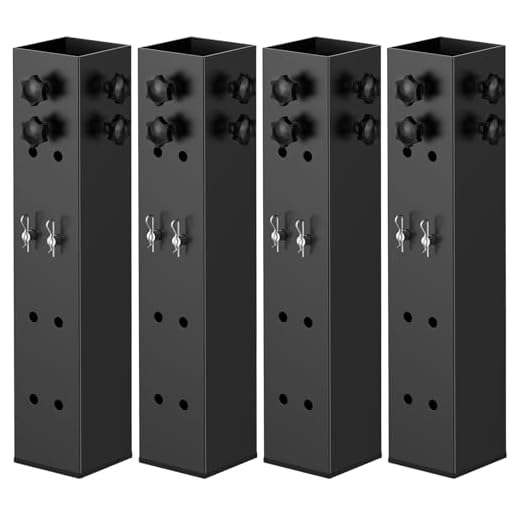

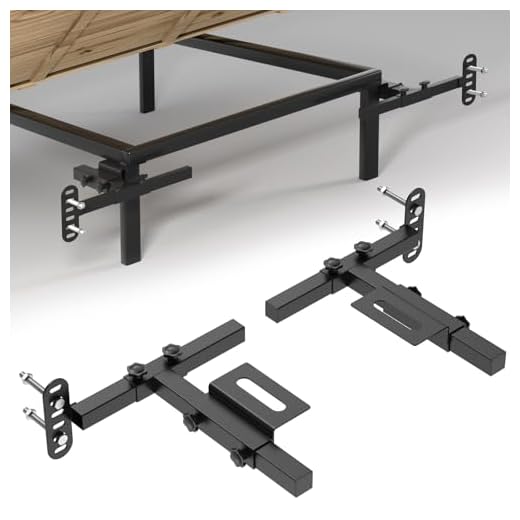
Reattach the side supports closely to the frame base after adjusting the pegs. Secure everything tightly afterward to prevent any wobbling. Place your safety rails back in place, making sure they fit snugly. Engage your helper for this part, as balance is key.
Now, place the mattress back and check the height. Ensure there’s enough space for comfort and storage beneath. Use bins or crates to optimize your area, keeping it organized and accessible.
Finally, add personal touches with decor or lights that reflect your style. This way, you’ll foster an inviting atmosphere in your modified sleeping environment.
Understanding the Half Loft Bed Concept
Choosing a raised sleeping solution creates valuable space underneath, promoting organization and multipurpose areas. It elevates one’s mattress, freeing up floor space for seating, storage, and study zones. This approach maximizes limited living areas and fosters a more functional environment.
Space Utilization
Freeing up floor area is the primary advantage. By lifting the mattress, I can place a desk, bean bags, or bookshelves below. Utilizing vertical space is essential, especially in compact rooms.
Customization Options
This design allows for creativity. Selecting a mattress height suited to my preferences can enhance my comfort while ensuring ease of access. I can even personalize the upper area with bedding and accessories that reflect my style, creating a unique and cozy environment.
Tools Required for Elevating Your Sleeping Arrangement
Gather these items before beginning the transformation:
- Adjustable Wrench: Perfect for loosening and tightening bolts during the height adjustment process.
- Screwdriver Set: Phillips and flathead screwdrivers will facilitate the assembly or disassembly of various components.
- Drill: A cordless drill can speed up the process by quickly fastening screws into place.
- Level: Ensures the structure is even and stable once adjustments are made.
- Measuring Tape: For precise measurements, preventing any discrepancies during setup.
- Safety Glasses: Protects your eyes, especially if you’re drilling or working with wood materials.
- Work Gloves: Keeps your hands safe from sharp edges, splinters, and other potential hazards.
Have everything ready and check that all tools are in good condition for a smooth process. Planning ahead makes the task easier and helps avoid delays.
Steps to Disassemble Your Dorm Furniture Safely
Gather the necessary tools before beginning the process; you’ll typically need a screwdriver, wrench, and possibly an Allen key. Make sure you have enough space around you to work efficiently.
Begin by removing any personal items or accessories from the structure. This includes cushions, decorations, and bedding. Ensure that the area is free from obstacles to avoid accidents.
Inspect the joints and connections of the furniture. Identify where screws or bolts are located. Turn them in a counter-clockwise direction using the appropriate tool to loosen them. Always hold the components steady to prevent any sudden shifts.
Carefully detach any side rails or support beams, as these may require additional strength. If something is sticking, do not force it; instead, check for any hidden screws or fasteners that may still be securing it.
Once disassembled, organize the parts systematically. Keep screws, brackets, and tools in a designated container to avoid losing any pieces. Labeling parts can aid future reassembly.
Finally, if you’re unsure about any step, reach out to your residence staff or maintenance team for assistance. Safety should remain a priority throughout this process.
Adjusting the Bed Height: A Step-by-Step Guide
Begin by removing all items from the frame to ensure a safe working environment.
Step 1: Disassemble the Frame
Using a screwdriver, detach the side rails from the ends. Make sure to keep the screws in a container to avoid losing them.
Step 2: Position the Vertical Supports
Identify the vertical supports that facilitate height adjustments. Align these supports in their desired position according to your preferred elevation.
Step 3: Secure the Structure
Reattach the side rails to the newly set vertical supports, ensuring that everything fits snugly. Double-check the connections to guarantee stability.
Step 4: Reassemble the Frame
Once secured, add the mattress support slats back onto the frame. Ensure they are evenly spaced and properly secured to hold the mattress securely.
| Step | Action | Notes |
|---|---|---|
| 1 | Remove items | Clear workspace |
| 2 | Disassemble | Keep screws safe |
| 3 | Adjust supports | Choose desired height |
| 4 | Secure connections | Double-check stability |
| 5 | Reassemble | Check slat positioning |
After completing these steps, place your items back onto the frame and verify that everything is stable before using it again.
Reinforcing the Structure After Half Lofting
Once the elevation adjustment is complete, I prioritize reinforcing the framework to ensure safety and stability. Begin by inspecting all joints for any weaknesses. I recommend using additional brackets, preferably metal ones, to secure corners better. This helps distribute weight evenly across the structure.
Next, I utilize wooden beams or dowels as cross supports. These should be placed horizontally between the legs of the elevation, ideally at mid-height. This not only prevents swaying but also enhances overall sturdiness. Ensure to pre-drill holes to avoid wood splitting when inserting screws.
Optional Modifications for Added Stability
If extra support is needed, I consider adding L-brackets to the wall side, making sure they’re anchored into the wall studs. Using this method can prevent movement and give an additional layer of security. It’s also beneficial to check for any wobbling after adjustments; if present, I may need to tighten all bolts and screws thoroughly.
Final Safety Check
Finally, I conduct a thorough inspection, checking all modifications before any use. I apply gentle pressure to ensure there are no weak points. With these enhancements, I can confidently use the newly adjusted sleeping arrangement, knowing it’s built to last.
Maximizing Space Underneath Your Half Lofted Bed
Utilizing the area beneath your elevated sleeping structure is key for creating a functional living space. Start by categorizing items you want to store, ensuring everything has a designated place.
- Storage Bins: Clear plastic containers allow easy visibility of contents while keeping everything organized. Opt for stackable options to maximize vertical space.
- Desk Area: If spacing allows, set up a small desk under the frame. A compact desk can serve as a study area, making optimal use of the height.
- Library Corner: Install a small bookshelf or use wall-mounted shelves to store your books and other materials.
- Exercise Space: If you enjoy fitness, use this area for yoga mats or weights. A quick workout setup can fit subtly into the space.
Incorporate multi-functional furniture to further enhance utility:
- Ottomans: Use storage ottomans that can double as seating or footrests while keeping items concealed inside.
- Rolling Carts: A rolling cart can serve as a mobile storage solution, providing easy access to items you frequently need.
Maintain an orderly atmosphere by regularly decluttering the space. Keep frequently used items up front and store seasonal or rarely used goods towards the back. This approach maximizes accessibility while ensuring a neat appearance.
Lighting is crucial; consider placing string lights or a small lamp in the area to create a cozy environment that feels welcoming. Personal touches such as photos or decorations can make the space under your elevated sleeping structure feel like an extension of your personality.
Decorating and Organizing Your Newly Created Space
To optimize the area beneath the elevated sleeping arrangement, I suggest utilizing multifunctional furniture. Items like storage ottomans or benches can add seating while hiding away books or supplies.
For a cohesive look, I picked a color scheme that reflects my personal style. Soft pastels or bold hues can transform the atmosphere, while adding decorative pillows and throws enhances the comfort and appeal of the sitting area.
Wall-mounted shelves are ideal for saving floor space. They provide an opportunity to display personal items and essential materials without cluttering the environment. Consider using bins or baskets on these shelves for easy organization.
Lighting plays a significant role in creating ambiance. I installed fairy lights or a compact lamp to add warmth and functionality to the area. Task lighting allows for study sessions while maintaining a cozy vibe.
Personal touches make the space genuinely yours. I incorporated photos, artwork, or inspirational quotes to create a visually stimulating environment. Hanging plants or low-maintenance succulents can add a touch of nature without requiring extensive upkeep.
Finally, regularly assess and reorganize the space to ensure it remains functional. Keeping only necessary items out in the open reduces perception of clutter and maximizes the usability of the area beneath the raised platform.
Common Mistakes to Avoid While Half Lofting
One major error is not measuring the available space before making adjustments. It’s vital to check the height to ensure the modified structure fits comfortably without any risk of obstruction.
Failing to securely fasten all components is another common issue. I always double-check every screw and joint to prevent any wobbling that could lead to accidents or structural failure.
Neglecting Safety Precautions
Skipping safety measures, such as using gloves or safety goggles while making changes, can lead to injuries. I always prioritize my safety during assembly.
Another mistake is underestimating the importance of reinforcing the framework post-adjustment. Ensuring stability is key, and I recommend using additional support beams if necessary.
Piling Too Much Underneath
Organizing the space efficiently is essential; I avoid overcrowding the area beneath with too many items. This not only creates clutter but also might impact the stability of the setup.
Always remember to think through your layout for ease of access and aesthetic appeal when utilizing the new area. Planning prevents chaos later on.