Caleb Turner
To restore your flooring post-weight-related impressions, start with steam. Utilizing a steam cleaner, apply steam directly to the affected areas. This helps relax the fibers, allowing them to regain their shape. Be cautious not to soak the material; a light touch is essential.
Next, grab a soft-bristled brush. Gently agitate the fibers where the imprints are visible. This motion encourages them to bounce back. Following this, let the area dry naturally, avoiding direct sunlight to prevent any potential fading.
If the issue persists, consider using ice cubes. Place several cubes on the dented spots and wait for them to melt. As the water seeps into the material, it will provide the necessary hydration. Once melted, follow up with your brush technique for optimal recovery.
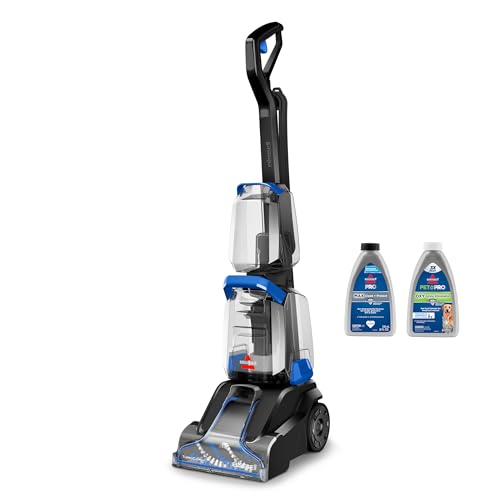


Finally, if the results are still underwhelming, professional cleaning might be a necessary next step. Experts often have access to products and equipment that can provide greater restoration potential. Remember, timely action can significantly enhance the outcome.
Repairing Marks Left by Bulky Objects
I recommend utilizing steam to revitalize areas affected by weighty items. Position a steam iron about an inch above the troubled zones and allow the steam to permeate the fibers. Follow this with a gentle brush using a stiff-bristled tool to redistribute fibers back to their original orientation.
Utilizing Ice Cubes for Quick Relief
Another method involves placing ice cubes in the indented spots. Allow them to melt entirely, letting moisture seep into the fibers. Once the area is damp, use your fingers or a cloth to fluff the nap, restoring the texture effectively.
Strategic Placement of Weights
To maintain a uniform appearance, I often place small weights or books on the flattened areas for several hours after applying either of the previous techniques. This encourages the fibers to regain their structure while remaining in the correct position.
Assessing the Damage to Your Carpet
Check the affected area by running your fingers along the fibers to determine the extent of flattening. Look for any visible indentations or uneven textures.
To evaluate the condition accurately, follow these steps:
- Identify the specific spots under the weight of the items.
- Inspect the fibers for fraying or any signs of wear.
- Examine the backing material for any damage that may have occurred due to pressure.
Understanding the level of impact can help me choose the right approach for restoration. If the fibers spring back after light pressure, the recovery process may be easier.
In cases where I notice persistent indentations, it may suggest deeper compression. It’s essential to differentiate between minor cosmetic changes and significant structural damage.
Consider the type of flooring beneath; wood or laminate can be more forgiving, whereas carpet pads may retain the pressure better. Measure the size of the affected area, as larger sections may require more extensive care.
Lastly, document my findings with photos. This could assist in deciding on repair methods or even discussing with professionals if needed.
Preparing the Area for Repair
Clear the space by removing all items resting on the affected area, including smaller decor and smaller pieces. For larger items, I elevate and relocate them carefully, ensuring minimal strain on both the flooring and myself. It’s vital to create an unobstructed work zone.
Next, ensure the flooring underneath is dry and free of debris. Utilize a vacuum cleaner to eliminate any dust and dirt particles. If there are any signs of moisture, it’s critical to address them to prevent further complications.
Inspect the underlay as well; a faulty base can contribute to the issue. If necessary, lift the material to assess for any signs of wear or moisture damage underneath. If everything checks out, prepare a clean, tidy work area, allowing easy access to tools and materials needed for the restoration.
Finally, consider using a soft cloth or towel to catch any dirt or additional debris that may surface during the process. Ensuring the space is pristine not only enhances the outcome but simplifies the workload significantly.
Using Heat to Restore Carpet Pile
Apply a warm iron or a steam sock to the affected area. This method can help revive the fibers quickly. Ensure to place a thin cloth between the iron and the surface to avoid direct heat damage. Move the iron in a circular motion for about 10-15 seconds.
Using Steam for Gentle Restoration
A steam cleaner can boost the revitalization process without risking harm. Lightly pass the steam nozzle over the area, ensuring not to soak the fibers. Follow with a soft-bristled brush to gently lift the pile while the fibers are warm.
Finishing Touches
<p After applying heat or steam, use your fingers or a clean brush to fluff up the fibers. This helps achieve a uniform appearance and enhances the overall look of the surface. Allow the area to cool down completely before placing any items back to maintain the shape and height of the fibers.
Applying Moisture to Revive Fibers
I recommend using a spray bottle filled with distilled water to apply moisture directly to the affected areas. Lightly mist the fibers without soaking them; excess water can lead to mold or mildew. Allow the moisture to penetrate for about 10-15 minutes to help relax the fibers.
After the initial application, take a clean, dry towel and gently press it against the damp area to absorb any excess water. This aids in restoring the original texture without over-saturating the fibers.
For best results, utilize a steam iron on a low setting to provide gentle heat after moistening. Hold the iron at least an inch away, using steam periodically to further loosen the fibers. Move the iron slowly to avoid any damage.
Following these steps should help rejuvenate the texture, allowing the fibers to spring back. Make sure to air dry the area completely before placing any heavy items back in their original spots.
Brushing Techniques for Even Pile Distribution
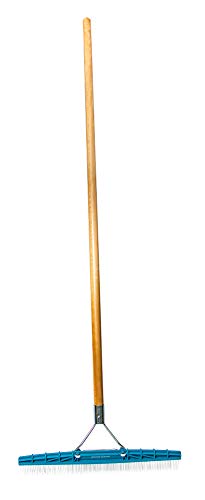
I recommend using a high-quality vacuum cleaner equipped with a beater brush to gently agitate the fibers, encouraging them to rise. For finer adjustments, a carpet rake can be beneficial. This tool features a series of long, thin prongs that help separate the fibers without causing damage.
Begin by sectioning off the area you intend to restore. Work in small, manageable sections to ensure even treatment. Using the vacuum, go over each section multiple times in different directions. This method helps lift the flattened areas effectively.
After vacuuming, take the carpet rake and run it over the same section in a gentle back-and-forth motion. The prongs should glide over the surface to avoid snagging. Ensure you maintain a consistent angle to promote uniformity in the pile.
Consider varying the pressure as you brush; lighter strokes can help rejuvenate delicate fibers while firmer contact can tackle stubborn areas. It’s advisable to follow up these techniques with a microfiber cloth to pick up any loose debris.
For an additional boost, I recommend occasional spot brushing with a soft-bristled brush. This technique can revive specific spots that may need extra attention. Always remember to work with the direction of the fibers for best results.
| Technique | Description |
|---|---|
| Vacuuming | Use a beater brush vacuum to lift fibers, working in multiple directions. |
| Carpet Rake | Employ to separate fibers gently without damaging them. |
| Pressure Variation | Apply different pressure levels based on fiber sensitivity. |
| Spot Brushing | Utilize a soft brush for targeted treatment on specific areas. |
Regular maintenance through these methods not only enhances appearance but also prolongs the lifespan of the flooring. Staying consistent with brushing techniques will help maintain a balanced and inviting surface over time.
Long-Term Solutions to Prevent Compression
Consider utilizing furniture coasters to distribute weight and minimize pressure on flooring fibers. These coasters can be placed under legs of heavy items, significantly reducing the risk of damage.
Regular Rotation of Furniture
Periodically rearranging the placement of bulky pieces can help maintain an even wear pattern. This simple shift ensures the same areas do not bear the load continuously.
Utilizing Area Rugs
Incorporating area rugs strategically in high-traffic zones prevents strain on the underlying surface. This protective layer not only enhances aesthetics but also guards against undue stress on flooring surfaces.
Adjusting furniture arrangement with a focus on lighter groupings can also alleviate compression. Selecting lightweight alternatives for decor or seating can limit the weight on specific sections, maintaining integrity.
Keep the environmental conditions stable; monitor humidity and temperature levels as fluctuations can affect the material quality. Maintaining moisture levels can assist in preserving the fibers’ resilience.
Choosing the Right Furniture Placement
Prioritize even weight distribution when arranging items in a room. Limiting the concentration of mass in any single area helps maintain the surface’s integrity.
- Use Area Rugs: Position area rugs under furniture to absorb weight and encourage airflow.
- Utilize Furniture Coasters: Place coasters under legs to distribute pressure more effectively. Coasters reduce direct surface contact.
- Rotate Furniture Regularly: Change the orientation and position periodically. This practice can prevent indentations and unequal wear.
- Avoid Overcrowding: Maintain space between objects to reduce concentrated pressure points. Create a balanced layout.
Consider the size and weight of each piece. Bulky items should be placed strategically to avoid stress on vulnerable sections of the flooring.
- Group Lighter Items Together: Cluster lightweight pieces in one area rather than spreading them across various locations.
- Think Vertical: Utilize tall shelves or cabinets to save floor space, allowing for more freedom in arranging heavier items.
Lastly, if moving a heavier object, slide rather than lift whenever possible. This reduces the risk of creating new impressions during a rearrangement.