Caleb Turner

I recommend measuring the length of the wooden piece accurately before installing these fasteners. The dimensions of the connectors should align perfectly with the drilled holes for a secure fit. Precise drilling ensures stability and prevents any wobbling in the structure.
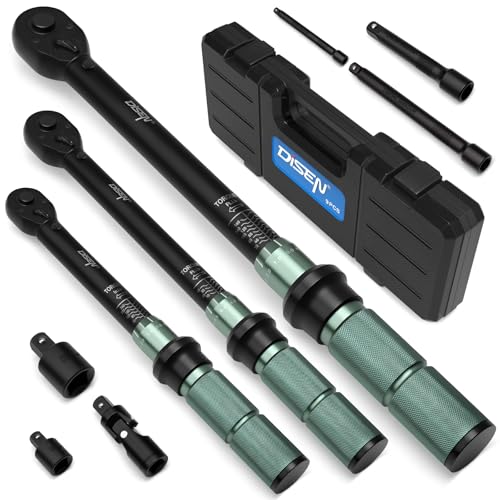
Using a hex key or an Allen wrench makes tightening these connections a straightforward task. I always prefer a torque wrench to ensure the right amount of force is applied, preventing over-tightening which can damage the wood or the connectors themselves.
Consider adding wood glue to the joint before inserting the connectors for additional strength. This combination enhances the durability of the assembly and minimizes any movement over time. This approach is particularly beneficial for load-bearing structures, where stability is paramount.
Regular inspections are useful to maintain the integrity of the assembly. After a period of use, I check the tightness of the connections and reapply glue if necessary. Keeping an eye on these details prolongs the lifespan of the constructed item.
Selecting the Right Size of Furniture Connector Bolts
Choosing the correct dimensions for these fasteners involves understanding the specific needs of your project. Measure the thickness of the materials you plan to join; typically, the length of the rods should be at least 1.5 times the thickness of the thicker piece to ensure a secure hold.

Diameter Considerations
Fitment is equally critical. Select a diameter that is compatible with the pre-drilled holes in your components. A snug fit enhances stability but avoid excessive tightness to prevent splitting.
Material and Load Factors
Account for the weight these fasteners will bear. Heavy-duty applications may require rods made from stronger materials, such as steel, whereas lighter constructions can utilize variants made from aluminum or plastic. Always check load specifications to avoid structural failures.
For best results, test a sample assembly before finalizing the choice. This will confirm that the selected sizes yield the desired strength and stability.
Preparing the Wooden Surfaces for Bolt Installation
Ensure that all wood surfaces are clean and free of dust, dirt, and grease. Use a damp cloth to wipe down the areas where the fittings will be installed. Allow the surfaces to dry completely.
Identify the exact locations for drilling. Use a measuring tape and a marker to mark the spots accurately. Make sure to measure twice to avoid errors.
Before drilling, consider the thickness of the wood. I typically check the material thickening to avoid splitting during the process. If necessary, pre-drill pilot holes to make the installation smoother.
- For pilot holes, choose a drill bit slightly smaller than the diameter of the fittings.
- Keep the drill bit perpendicular to the surface for a straight hole.
- Be cautious with softwoods; use a lower drill speed to prevent damage.
After pre-drilling, apply wood glue in the holes if desired, which can provide additional strength and stability once the hardware is installed.
Finally, ensure that all tools (drill, screws, etc.) are ready before starting the assembly process. A well-prepared workspace contributes to a more efficient installation.”
Installing Furniture Connector Bolts Step-by-Step
First, gather all necessary tools, including a drill, screwdriver, and the specific items needed for assembly. Make sure to have the correct size drill bits ready based on the diameter of the fasteners.
Begin by aligning the two pieces of wood that you wish to join. Mark the locations where the inserts will be installed, ensuring they are spaced evenly for balance. I recommend using a measuring tape for accuracy.
Next, drill pilot holes at the marked locations. The depth should be slightly less than the length of the fasteners to prevent any splitting of the wood. I typically apply a light touch to avoid damaging the material.
Insert the threaded inserts into the drilled holes. I find it helpful to use a rubber mallet for gentle tapping to ensure they are flush with the surface. This prevents any wobbling once the two pieces are secured together.
After the inserts are in place, align both wooden sections once again. Use a screwdriver to drive in the bolts through the holes of the corresponding pieces and into the threaded inserts. It’s crucial to apply even pressure while tightening them to achieve a secure fit. Avoid overtightening, which can cause damage.
Finally, check the alignment one last time. After ensuring everything is level, I often run a cloth over the joint to remove any dust or debris. This step helps to maintain a clean look and ensure a tight seal between the surfaces.
Tightening and Securing Connector Bolts for Stability
To ensure a sturdy structure, I focus on achieving the right torque when fastening. The use of a torque wrench allows me to apply the appropriate amount of force, preventing both over-tightening and under-tightening, which can lead to instability.
Check Alignment
Before applying final tightening, I double-check that all components are properly aligned. Misalignment can cause uneven stress, leading to potential failure points. If everything is lined up correctly, I proceed to tighten.
Use of Locking Nuts and Washers
In scenarios where vibration is a concern, I incorporate locking nuts or split washers. These elements help maintain pressure over time, reducing the likelihood of loosening due to movement.
I make it a habit to periodically inspect the joints to ensure they remain secure. In high-use items, checking after a few weeks and then once a year is advisable to maintain structural integrity.
Common Mistakes to Avoid When Using Connector Bolts
One common error is neglecting to align components properly before tightening. Misalignment can lead to instability and affect the overall structure, so I always ensure parts fit together precisely.
Over-Tightening
Applying excessive force during installation can strip threads or damage wood. I typically use a torque wrench to apply even pressure, which reduces the risk of damaging any materials.
Ignoring Pre-Drilling
Forgetting to pre-drill holes in hardwood can split the material. I make it a practice to drill pilot holes slightly smaller than the connector stem to provide a snug fit without causing damage.
Using the wrong length or diameter is another frequent mistake. I always measure the thickness of the materials I’m joining to select appropriately sized connectors, ensuring a strong connection without excessive protrusion.
Failing to check for debris in holes is also important. Any dirt or wood shavings can interfere with the fit. I clean all openings with a brush or cloth before inserting connectors.
Lastly, skipping the final tightening check can lead to loose assemblies over time. I always revisit and secure all connections after the initial assembly to guarantee that everything remains sturdy.
Replacing or Removing Furniture Connector Bolts Safely
Always ensure the workspace is clear before replacing or removing fasteners. Use a proper screwdriver or wrench suited to the bolt size to avoid stripping the head. If you’re dealing with a bolt that feels stuck, apply penetrating oil and allow it to sit for several minutes to loosen any rust or debris.
To start, turn the bolt counterclockwise gently. If it requires more torque, secure the surrounding area to prevent damage. Utilize a backup grip tool or pliers if necessary, but take care not to apply excessive force, as this may lead to breaking the bolt.
If the bolt breaks during removal, carefully assess the situation. A bolt extractor can help in this case, but drilling it out may be required. Mark the center of the broken bolt and drill slowly using a left-hand drill bit, which may catch and unscrew the remaining piece.
Always replace old bolts with new ones of the correct size and type to maintain integrity and stability. When inserting new pieces, align them precisely with the existing holes to avoid misalignment that could compromise the structure. Utilize a level to ensure the components are flush before tightening.
After installation, check for tightness regularly, especially if the furniture is subjected to frequent use or movement. Periodically inspect for signs of wear or loosening, re-tightening as necessary.
| Action | Recommendation |
|---|---|
| Preparation | Clear workspace and gather tools |
| Removing | Apply penetrating oil if stuck |
| Handling | Use appropriate tools, avoid excessive force |
| Replacing | Ensure new pieces match previous sizes |
| Maintenance | Check and re-tighten periodically |