
 Caleb Turner
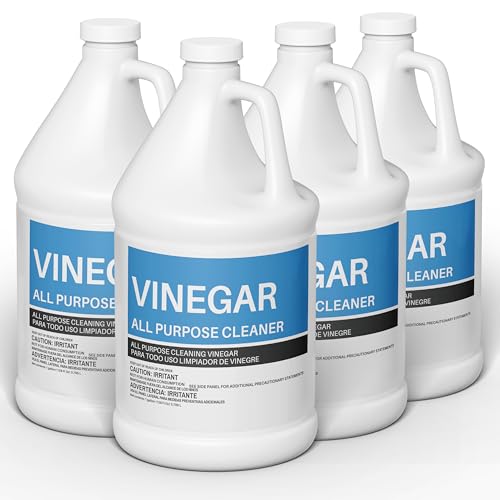
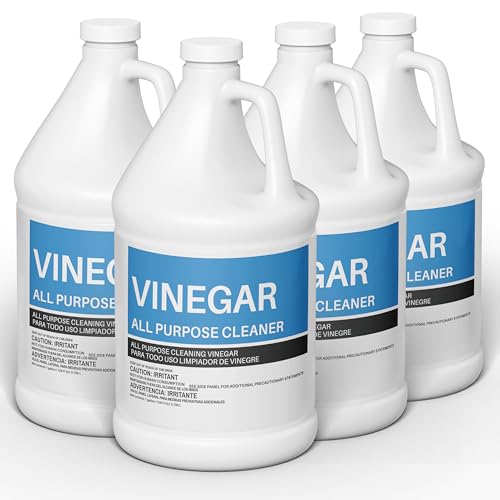
The first line of defense involves applying a few drops of olive oil combined with white vinegar directly onto the blemish. This natural mixture not only nourishes the surface but also helps to lift persistent stains.
If the marks remain stubborn, utilizing a soft cloth with a small amount of baking soda can gently polish the area. Gently rub the paste in circular motions to avoid damaging the finish while working to eliminate the unsightly spots.
For deeper set stains, consider using a hairdryer on low heat. Position the dryer a few inches away and move it back and forth across the stain. Heat can often draw out moisture trapped beneath the finish, resulting in a cleaner appearance.

Lastly, applying a quality wood polish after treatment can restore the shine of the surface and provide a protective layer against future spills. Regular maintenance will ensure longevity and keep surfaces looking their best.
Understanding Water Rings: Causes and Effects
To effectively tackle unsightly marks on surfaces, it’s essential to understand their origins. The primary cause is moisture trapped beneath a layer of finish. This typically occurs when a cold or wet object is placed directly on the treated surface, leading to condensation that penetrates the finish.
Factors contributing to this phenomenon include:
- Temperature fluctuations causing condensation
- High humidity levels in the environment
- Type of finish on the surface, which may not be entirely waterproof
The effects of these markings vary depending on the time they remain on the surface and the type of finish applied. For example:
- Short exposure may leave a light mark that can be easily removed.
- Extended contact can lead to deeper penetration, making it more challenging to restore the surface.
Proactive measures can prevent these issues. Using coasters and avoiding direct contact with moisture-laden items can prolong the integrity of surfaces. In cases where marks do appear, timely action is crucial to ensure successful restoration.
Immediate Steps to Take After Spill
As soon as the liquid touches the surface, the first action is to blot the area with a clean, dry cloth. Avoid rubbing, as this can cause further damage. Instead, gently press down to absorb as much moisture as possible.
- Use a soft cloth: Choose a microfiber or cotton cloth to prevent scratches.
- Apply slight pressure: This aids in drawing out excess moisture without spreading it.
If visible spots remain, consider these actions:
- Use a mixture of oil and vinegar: Combine equal parts of both substances. Dampen a cloth with the solution and wipe over the affected area, following the wood grain.
- Try toothpaste: Non-gel varieties can be slightly abrasive. Apply a small amount to a cloth, then gently rub the mark in a circular motion. Wipe clean with a damp cloth afterward.
After initial treatment, ensure the affected area is left to dry completely. Adequate drying will help in assessing whether additional care is needed.
Always conduct a spot test of any cleaning solution in an inconspicuous area before applying it to the visible spots.
Homemade Solutions for Removing Water Rings
Mix equal parts of vinegar and olive oil to create an effective remedy for discoloration on surfaces. Apply the mixture to a soft cloth and buff the area gently in the direction of the grain until the mark disappears.
Baking Soda Paste
Combine baking soda and water to form a paste. Apply this paste to the affected area using a soft cloth. Rub gently until the spot fades and wipe clean with a damp cloth, followed by a dry one to eliminate any residue.
Steam Treatment
If a more natural approach is desired, using steam can be beneficial. Place a damp cloth over the stain and apply a warm iron for a few seconds, ensuring the iron doesn’t touch the wood directly. The steam will help lift the moisture from beneath the surface.
Store-Bought Products: What to Look For
Choosing commercial solutions for eliminating marks from surfaces involves understanding key ingredients. I recommend checking for products that contain mineral spirits or solvents specifically designed for treating such blemishes. These components effectively penetrate and break down the residues.
Another excellent option features furniture polish with natural oils, like olive oil or linseed oil. These not only hydrate the wood but also create a protective barrier against future damage.
Look for items boasting microfiber cloths included in their packaging. This ensures a gentle application, reducing the risk of additional scratching on the finish.
Evaluate the formulation for safety–non-toxic ingredients are crucial, especially in homes with children or pets. Labels stating environmentally friendly or biodegradable are indicators of a safer choice.
Read reviews and ratings to gain insight into a product’s efficacy. Solutions that advertise quick results might save time and effort, but checking real user experiences can guide towards reliable options.
Ensure the packaging specifies compatibility with a variety of finishes–this versatility broadens usage across different items without fear of adverse reactions.
Preventative Measures to Avoid Future Damage
To mitigate the risk of unsightly marks on surfaces, apply a high-quality furniture polish regularly. This creates a protective layer, reducing moisture absorption. Additionally, consider placing coasters under beverages to prevent direct contact with finishes. Using soft mats or table runners can further shield sensitive areas of the tabletop.
Environmental Considerations
Maintain stable humidity levels in the room. Utilizing a dehumidifier during humid months or a humidifier in dry seasons can help preserve the integrity of the wood. Sudden changes in humidity often contribute to damage.
Proper Cleaning Techniques
Employ a microfiber cloth for routine dusting. This prevents dirt buildup, which can lead to scratches during cleaning. Avoid harsh chemicals; opt for natural substances like vinegar diluted with water for daily maintenance. Always follow up with a dry cloth to ensure no residue remains.
When to Seek Professional Help
Contact an expert if attempts to remove blemishes do not yield results after multiple trial solutions. Signs indicating the necessity for professional intervention include persistent discoloration, deep stains, or any visible damage that could worsen with improper handling.
It’s advisable to consult a specialist when facing repairs that require refinishing or restoration, as these tasks often involve intricate techniques and materials that a novice may mishandle.
If the surface shows signs of warping, cracking, or peeling, a qualified technician can provide solutions that address underlying issues, ensuring the longevity of the piece.
For rare or antique items, reach out to a restorer familiar with specific wood types and historical techniques, as they use appropriate methods to preserve and protect these valuable assets.
In cases of extensive damage affecting structural integrity, seek professional guidance immediately. Safety concerns may arise from attempting DIY repairs on unstable or compromised pieces.
| Scenario | Recommended Action |
|---|---|
| Persistent discoloration | Contact an expert |
| Deep stains | Consult a professional |
| Visible damage | Request assistance |
| Rare or antique items | Involve a specialist |
| Structural issues | Seek expert advice immediately |


