
 Caleb Turner

Regularly inspecting your outside seating helps prevent dirt buildup. A simple routine of wiping down surfaces with a damp cloth can significantly reduce grime and stains. For tougher spots, I find that a mixture of mild soap and water works wonders. Just a quick scrub followed by rinsing leaves my pieces looking fresh.
Cover your chairs and tables when not in use. Strong sunlight and rain can lead to discoloration and wear. Investing in breathable covers will shield them from the elements while allowing moisture to evaporate, preventing mildew growth. I recommend checking frequently for any signs of moisture trapped underneath.


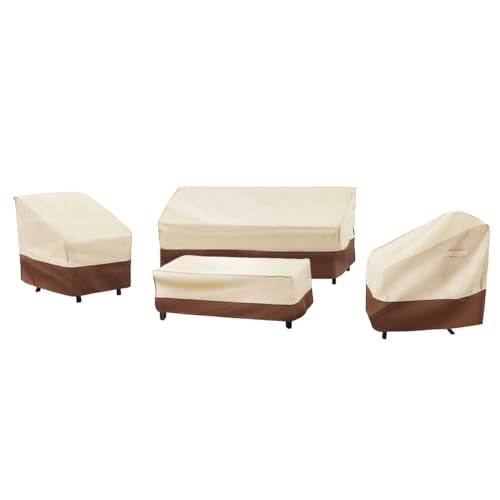
Furthermore, choosing the right materials plays a crucial role in durability. Aluminum and synthetic wicker resist the elements better than natural woods. If you opt for wood, apply a protective sealant annually to maintain its lifespan and appearance. Keeping your outdoor area organized and tidy can also help reduce debris that might land on your seating, making cleanup much easier.
Choosing the Right Cleaning Supplies for Different Materials
For metal structures, I prefer using a mild soap solution with warm water and a soft brush. Avoid abrasive cleaners; they can scratch surfaces. After scrubbing, I rinse with a hose to prevent residue buildup.
For Wood Elements
When dealing with wooden components, I opt for specially formulated wood cleaners. A mixture of vinegar and water also works effectively. It’s best to avoid soaking the wood; instead, I use a damp cloth to gently wipe surfaces. Always follow up with a protective sealant to maintain the wood’s integrity.
Outdoor Fabric Cleaners
For synthetic textiles, I use a fabric-safe cleaner designed for outdoor use. Stains, if present, require prompt treatment with a gentle cleanser. I typically test any product on a small area first to avoid discoloration. Rinsing thoroughly ensures no residue is left behind.
Daily Maintenance Tips to Prevent Dirt Buildup
Wipe surfaces with a soft cloth daily to remove dust and prevent grime. This quick step keeps every piece looking fresh and ready for use.
Check for spills immediately. A paper towel or cloth, along with a specific cleaner for the material, handles most liquid accidents effectively.
Avoid placing items directly on seating or tables without protective pads. This simple measure decreases scratches and stains directly contacting the surface.
Position furniture to minimize exposure to dust and debris. Keeping these arrangements in mind can limit the amount of dirt collected over time.
Schedule weekly checks for loose parts or damage. Addressing minor issues early prevents larger problems from forming.
Here’s a table summarizing daily recommendations:
| Task | Frequency | Tips |
|---|---|---|
| Wipe Surfaces | Daily | Use a soft, dry cloth. |
| Check for Spills | As Needed | Act promptly with a suitable cleaner. |
| Use Protective Pads | Always | Prevent direct contact with surfaces. |
| Adjust Positioning | Weekly | Keep areas less prone to dust collection. |
| Inspect for Damage | Weekly | Tackle repairs early to avoid bigger issues. |
Removing Specific Stains from Outdoor Fabrics
For effective removal of stains from outdoor textiles, addressing each type of stain with the right technique is crucial. Here’s a detailed guide for specific stains:
- Food and Drink Stains: Blot the excess using a clean cloth, then mix mild dish soap with water. Dab the solution onto the stain and gently scrub with a soft brush or cloth. Rinse thoroughly with clean water.
- Grease Stains: Sprinkle baking soda on the stain to absorb excess grease. After 10 minutes, brush it off, then apply a mixture of warm water and dish soap. Scrub gently and rinse well.
- Mildew: Mix equal parts of white vinegar and water in a spray bottle. Spray the affected area and let it sit for 30 minutes. Scrub lightly with a brush and rinse completely to prevent residue.
- Bird Droppings: Remove the droppings carefully without rubbing. Use a soft cloth or paper towel to lift it away. Clean the spot with a solution of mild detergent and warm water, then rinse.
- Rust Stains: Apply a rust remover specifically formulated for fabrics. Follow manufacturer instructions carefully. After treatment, rinse the area thoroughly to ensure no residue remains.
- Ink or Dye Stains: Dab the stain with rubbing alcohol on a clean cloth, blotting instead of rubbing. Work from the outside in to avoid spreading. Rinse with cold water after the stain lifts.
For persistent stains, consider repeating the process or using a specialized outdoor fabric cleaner. Testing any cleaning solution in an inconspicuous area before full application helps prevent damage. Regular care and quick action on spills significantly enhance the longevity of outdoor materials.
Seasonal Deep Cleaning Checklist for Outdoor Seating
Begin each season with a thorough examination of materials used in your seating. Examine cushions for signs of wear and remove any that require replacement. Take the time to vacuum upholstered elements to eliminate debris and dust.
Spring Checklist
Wash fabric covers according to care instructions. Utilize warm, soapy water and a soft brush for frames and metal elements. Rinse thoroughly and allow them to air dry. Inspect wood structures for signs of moisture or mold; treat with appropriate cleaning products and sealants.
Autumn Checklist
Before winter, clean and store fabric items properly. Apply protective sprays to repel water and stains on fabrics. Wipe down hard surfaces with a solution to remove grime and autumn debris from trees. Check for loose screws or fittings, tightening as necessary to ensure durability through harsh weather.
By following these specific tasks seasonally, longevity of outdoor seating is maximized, preserving its showpiece quality and comfort for each gathering. Careful attention to detail results in a refreshing atmosphere for relaxation and enjoyment.
Protecting Furniture from Weather Damage
Using outdoor covers offers a direct method to shield items from rain, UV rays, and debris. Opt for breathable materials to prevent moisture buildup. Always secure these covers tightly to prevent them from blowing away.
Choosing weather-resistant materials like teak, aluminum, or synthetic wicker minimizes potential harm from the elements. For upholstered items, select water-resistant fabrics that repel stains and moisture, extending the life of the upholstery.
Positioning items strategically can significantly reduce exposure to direct sunlight and rain. Utilize shade structures, such as umbrellas or awnings, to provide protection during inclement weather, limiting wear and discoloration.
Regularly inspecting for damage allows for early intervention. Look for signs of rust, warping, or fading, and take immediate action to address these issues with appropriate sealants or protective sprays designed for the specific material.
Storing items indoors during extreme weather conditions is beneficial. If storage isn’t feasible, elevate pieces off the ground with risers to prevent water damage and reduce contact with moisture-laden surfaces.
Routine application of protective coatings, such as waterproof sealants or UV protectants, can significantly enhance resistance to environmental factors. Follow the manufacturer’s instructions for maintaining optimal performance.
Using Covers to Extend the Life of Your Outdoor Seating
Investing in high-quality protective covers is a smart strategy to prolong the lifespan of my outdoor seating arrangements. These covers shield against UV rays, rain, and debris, which can degrade materials over time. It’s advisable to select covers that fit snugly to prevent them from being blown away during windy conditions.
Choosing the Right Material for Covers
Opt for breathable fabrics to prevent moisture buildup, which can lead to mold and mildew. Look for options that are water-resistant yet allow adequate ventilation. Additionally, UV-resistant materials will be effective in preventing fading and cracking caused by sunlight exposure.
Regular Maintenance of Covers
Routine cleaning of the covers is necessary to maintain their efficacy. I use a soft brush and mild soap to gently remove dirt and grime. Avoid abrasive cleaners that could damage the cover’s surface. Storing them properly during the off-season can significantly extend their life–keeping them dry and folded in a safe place helps avoid wear and tear.
Utilizing protective covers consistently ensures my outdoor seating remains in pristine condition, ready for enjoyment whenever the occasion arises.
DIY Cleaning Solutions: What Works Best
For outdoor seating made from wood, a mixture of vinegar and water is a simple and effective remedy. Combine one part vinegar with three parts water, apply to a cloth, and wipe down surfaces. This solution acts as a natural disinfectant without damaging the material.
Fabric Treatment
For textile seating, create a paste using baking soda and water to tackle odors and stains. Apply the paste directly to blemishes, let it sit for about 15 minutes, then scrub gently with a soft brush before rinsing with cold water.
Metal Surfaces
For aluminum or metal constructions, a solution of dish soap and warm water works wonders. Mix a few drops of dish soap with warm water, apply with a sponge, and rinse thoroughly. This combination effectively removes grime without causing scratches.
Tips for Storing Furniture During Off-Seasons
Before placing items in storage, ensure they are thoroughly dried to prevent mold and mildew growth. I recommend cleaning surfaces with a mild detergent and allowing them to air dry completely.
Utilize breathable storage bags or covers designed for outdoor use. These materials provide protection against dust while allowing air circulation, reducing the risk of moisture buildup.
For stacking, disassemble pieces where possible to save space. Ensure to store heavier items at the bottom and lighter ones on top to prevent damage.
Metal components should receive a rust-inhibiting spray before being stored. This extra layer of protection can significantly extend their lifespan.
If storing cushions or fabrics, consider vacuum-sealing them to minimize space and protect against insects. Adding cedar chips or lavender sachets can also deter pests and provide a pleasant scent.
Store items in a climate-controlled environment, if possible. Extreme temperatures and humidity can cause warping, cracking, or discoloration of materials.
Finally, label all storage containers clearly. This practice helps in quickly locating specific items when the season changes, saving both time and effort.
Identifying and Treating Mold and Mildew on Outdoor Seating
Inspect regularly for any signs of mold or mildew growth, particularly in areas with limited sunlight and high humidity.
Signs of Mold and Mildew
- Discoloration – brown, black, or green spots.
- Musty odors, especially after rain or high humidity.
- Soft or peeling surfaces on fabric or wood.
Treatment Steps
- Remove the affected item outdoors to prevent spores from spreading indoors.
- For fabrics, use a mixture of equal parts water and vinegar in a spray bottle. Apply generously to the area with mold.
- Scrub gently with a soft brush to lift the mold away.
- For wooden surfaces, create a solution with water and mild detergent. Wipe down using a cloth, ensuring not to saturate the wood.
- Rinse thoroughly to remove any cleaner residue and allow to air dry completely in a sunny location, which helps kill remaining spores.
- Consider using an antifungal spray as a preventative measure after cleaning.
Stay proactive by applying a protective sealant on wooden surfaces and regularly checking fabrics for early signs of mold growth.


