
 Caleb Turner

I recommend choosing a high-quality wood finish to enhance the natural beauty of your pieces. Begin by selecting a shade that complements the existing palette of your room. Darker hues can add a touch of elegance, while lighter tones offer a fresh and airy feel.
Before applying any product, ensure the surface is clean and free of dust or oils. Sanding lightly with fine-grit paper creates a better bond for the new finish. Make sure to follow the wood grain for a smooth application.
Test your selected color on a small, inconspicuous area to guarantee the outcome meets your expectations. Apply thin coats, allowing adequate drying time between applications to achieve a rich, uniform appearance. Remember, patience during this process will yield the best results.
Staining Techniques for Your Bedroom Pieces
I recommend using a high-quality brush or foam applicator to apply your color product evenly on the surface. Start with the edges and corners, then move to the flatter areas to avoid streaks. Ensure each stroke follows the wood grain for a natural look.
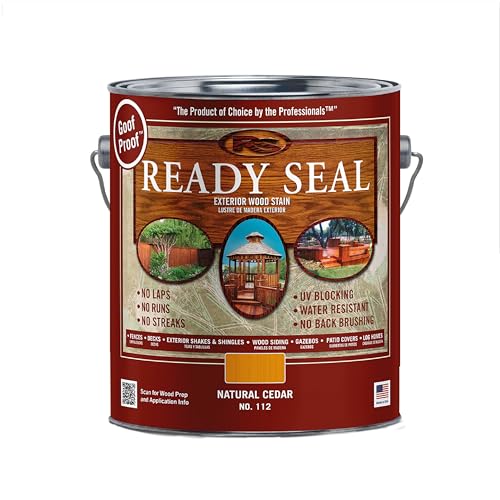


Prior to application, prepare by sanding the surface with fine-grit sandpaper, then clean off any dust with a damp cloth. This guarantees better adherence of the color. For darker shades, consider using a pre-stain conditioner to help with an uniform absorption.
After applying the product, wait for around 5 to 15 minutes, then wipe off the excess with a clean cloth. The longer it sits, the deeper the hue becomes. Allow adequate time for drying as per the manufacturer’s instructions before adding a protective finish.
Testing on a small, inconspicuous area first is essential to see how the material responds. If the outcome is unsatisfactory, adjustments can be made before committing to the entire piece. Once finished, I favor applying a clear topcoat for durability, using either polyurethane or a water-based finish to enhance and protect the color.
Periodic maintenance will keep your items looking fresh. Lightly dust and occasionally use a wood polish to maintain the sheen. Avoid harsh chemicals, as they can diminish the finish over time.
Choosing the Right Stain for Your Furniture
Selecting the appropriate color and finish for your pieces can greatly impact the overall aesthetic. Consider the following aspects:
Type of Wood
Different woods have unique characteristics. Here are some common types:
- Oak: Absorbs color well and offers a pronounced grain.
- Pine: Light wood that can take on a warm tone but might require additional treatment for even color.
- Maple: Often resistant to color absorption, a pre-stain conditioner can help achieve a uniform finish.
Desired Finish
The finish chosen influences both appearance and durability:
- Transparent: Highlights the natural grain and color variations.
- Translucent: Allows some grain visibility while adding a hint of color.
- Opaque: Offers a solid color that masks the wood’s natural features.
Assess the space where the items will reside. Matching the tones and textures of the surrounding elements like walls, flooring, and décor enhances the overall coherence. Testing samples on scrap pieces or less visible spots can reveal how the color appears under various lighting conditions, helping you to make a more informed choice.
Preparing Your Furniture for Staining
Ensure a clean surface by removing dust and debris with a soft cloth or vacuum. If the piece has old paint or a finish, strip it using a chemical or gel stripper for a smooth base. Follow the manufacturer’s instructions for application and safety precautions.
Sanding Process
Sand the wood with increasing grit levels, starting from coarse (80-grit) and progressing to fine (220-grit). This method refines the surface and enhances stain absorption. Always sand in the direction of the grain to avoid scratches.
Cleaning After Sanding
Once sanding is complete, clean the surface with a vacuum or a tack cloth to eliminate any residual dust. This step is crucial for an even finish. Allow the wood to dry fully before proceeding to the application stage.
| Step | Action |
|---|---|
| 1 | Remove dust and debris. |
| 2 | Strip old paint or finish if necessary. |
| 3 | Sand using varying grit levels. |
| 4 | Clean up after sanding. |
Once the preparations are complete, you’re ready to move on to the next phase. This groundwork guarantees the best results for the coloring process. Properly prepared surfaces lead to a more beautiful and durable finish for your project.
Tools and Materials Needed for Staining
Gather these items before proceeding with your project:
- Paintbrushes: Choose both flat and round brushes for different areas.
- Foam applicators: These work well for smooth, even application.
- Rags: Soft lint-free cloths are ideal for wiping off excess product.
- Sandpaper: Use various grits (80, 120, and 220) for surface preparation.
- Paint thinner or mineral spirits: For cleaning brushes and tools.
- Gloves: Protect your hands with durable latex or nitrile gloves.
- Drop cloths: Prevent spills on floor surfaces or nearby items.
- Masking tape: Use it to shield areas you don’t want to treat.
- Finishing product: Select a topcoat for added protection post-application.
Workspace Essentials
- Ventilation: Ensure ample airflow to avoid inhaling fumes.
- Good lighting: Provides better visibility for detailed work.
- Workbench: An elevated surface keeps everything comfortable.
Having these supplies ready will streamline your process and improve results.
Step-by-Step Guide to Applying Stain
Before beginning the application, I make sure to mix the pigment thoroughly. This ensures an even color distribution throughout the process. I always use a brush or clean cloth for application, avoiding any rough tools that could damage the surface.
I start in a corner and work my way out to maintain control over the process. Applying the product in the direction of the grain enhances the overall appearance. A light, even layer is key; I usually apply only enough to saturate the surface without pooling.
After the first coat dries, I inspect the finish. If I prefer a deeper hue, I add a second layer after lightly sanding with fine-grit paper. This sanding creates a more porous surface for better absorption in subsequent coats.
Once I achieve the desired shade, I allow ample drying time. Generally, I wait at least 24 hours before applying a top coat. This helps to protect the finish and gives that polished look.
In the final stages, I apply a clear protective layer. I choose either oil-based or water-based options based on the required durability and finish sheen. I opt for a clean brush to avoid any contamination from earlier applications.
Finally, I let the piece cure for several days before heavy use. This wait ensures the finish is fully set and resilient, ready to withstand daily wear.
Techniques for Achieving an Even Finish
I recommend using a high-quality brush or foam applicator to spread the product uniformly across the surface. Always apply the solution in the direction of the grain to avoid streaks and ensure smooth absorption.
Additionally, work in small sections to maintain a wet edge. This prevents lap marks and allows for seamless blending between areas. If necessary, use a cloth to wipe off excess product immediately after application to prevent pooling.
Testing on a scrap piece of the same wood is crucial. This helps gauge how the material reacts and allows for adjustments in technique or the chosen product.
Consider the environment; working in a climate-controlled area helps the drying process and overall finish. High humidity can lead to uneven absorption, so choose a day with optimal conditions.
Layering often yields impressive results. If a deeper hue is desired, apply additional coats after the previous one has completely dried. Sand lightly between layers with fine-grit paper to enhance adhesion and smoothness.
Finally, using a clear protective topcoat after staining protects the surface and enhances the depth of color, contributing to a polished appearance.
How to Properly Seal Stained Furniture
After applying the finish, the next critical step is to apply a protective layer. I recommend using a clear polyurethane or varnish for durability. Choose between oil-based or water-based products depending on the desired drying time and sheen level. Oil-based options provide a warm glow but take longer to dry, while water-based finishes dry quickly and clean up easily.
Application Process
First, ensure the surface is fully dry before proceeding. Use a high-quality synthetic or natural bristle brush for even application. Dip the brush into the sealant, removing excess to avoid drips. Start at the farthest corner and work your way out in long, even strokes, following the grain. Apply multiple thin coats, allowing adequate drying time as specified on the product label, typically 4 to 6 hours between coats.
Final Touches
After the last coat dries, lightly sand with fine-grit sandpaper (320 grit or higher) to smooth any imperfections. Wipe away dust before applying a final coat. This helps achieve a polished finish. Let the final coat cure for several days before placing items back on the surface to ensure full protection.
Maintenance Tips for Stained Furniture
Regular dusting is crucial. I use a soft, microfiber cloth to gently remove dust without scratching the surface. It’s best to do this weekly to prevent buildup.
For deeper cleaning, I mix a few drops of mild soap with water. A damp cloth works well for wiping down surfaces, and I always follow up with a dry cloth to avoid moisture damage.
Avoiding Common Dangers
Keep the area away from direct sunlight. Overexposure can fade the color over time. Using sheer curtains helps diffuse light effectively.
Additionally, I place coasters under beverages and mats under decorative items to prevent moisture rings and scratches. For any spills, I immediately blot the area with a clean cloth to avoid staining.
Periodic Care
Every few months, I apply a quality furniture polish. This not only enhances the appearance but also adds a protective layer. I find that a little goes a long way, applied with a soft cloth in the direction of the grain.
Lastly, inspect joints and hardware periodically. Tightening loose screws prevents damage that can lead to larger issues down the line.


