
 Caleb Turner
To ensure the safe transfer of your modular pieces, disassemble them methodically. Begin with removing screws and connectors, taking care to keep all small parts in a labeled bag. This will streamline the reassembly process and prevent loss during transit.
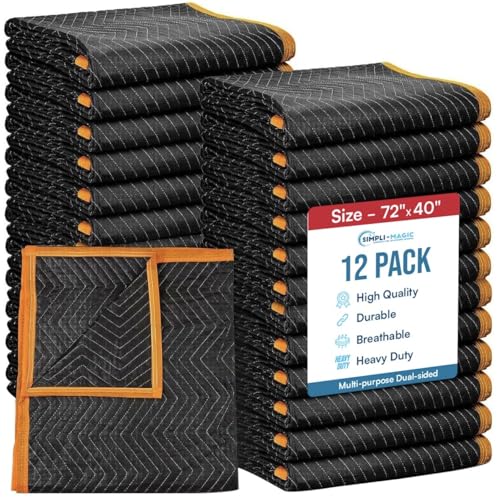
Wrap each component securely in moving blankets or bubble wrap to protect surfaces from scratches and dents. Pay special attention to corners and edges, as these areas are particularly vulnerable during transportation. Using sturdy boxes for smaller parts can help to consolidate items and reduce the chance of damage.
When loading into a vehicle, place heavier items at the bottom and lighter ones on top. This will create a stable arrangement and prevent shifting during travel. Utilize straps or ropes to secure larger pieces in place, ensuring they don’t slide or topple over while en route.
Upon reaching your new location, reassemble the parts in the order they were disassembled. Refer to the original instructions if necessary, and take your time to avoid mistakes that could lead to structural weakness. This careful approach will help maintain the integrity of your each piece.


Transporting Modular Items
Disassembling is the first step. Remove screws, bolts, and any fixtures that could get damaged or be a hindrance. Organize the components by placing them in labeled bags or containers to prevent loss. Don’t forget to keep instructions for reassembly close at hand.
Tools and Protection
Gather the necessary tools: a screwdriver, Allen wrench, and a hammer may be required. Use moving blankets or bubble wrap to protect surfaces and edges. Secure heavy items with straps to maintain stability during transit.
Organizational Strategy
Plan the route to your destination. Measure doorways and staircases to ensure everything fits through. Create a checklist to keep track of parts and tools needed upon arrival. A well-structured plan minimizes time spent unpacking and reassembling.
| Item | Action |
|---|---|
| Drawer Units | Empty contents, disassemble |
| Bed Frame | Remove slats, disassemble frame |
| Shelves | Take off shelves, dismantle supports |
| Tables | Detach legs, secure tops |
Utilize a dolly or moving cart for larger pieces. This prevents injury and makes transportation smoother. Ensure that everything is securely loaded in the vehicle to avoid shifting during transit.
Disassembling IKEA Furniture Safely
To ensure a smooth disassembly process, I always gather the necessary tools first. A Phillips screwdriver, flathead screwdriver, and an Allen wrench are typically essential. It’s also helpful to have a container for screws and small parts to prevent any loss.
Step-by-Step Process
Begin by removing any cushions or removable elements from the piece. Next, check for hidden screws or fasteners by inspecting the areas where panels meet. Loosening these first minimizes the risk of damaging the structure.
Working from the top down is my preferred method. This approach allows gravity to assist in keeping components stable. I gently pull apart sections, avoiding sudden movements that may lead to splintering or bending. For large units, enlisting a friend can offer extra hands to manage weight and balance.
Final Touches
Once disassembled, I label each part with masking tape to keep track of components for reassembly. If available, I consult the original assembly instructions, as they often include diagrams that clarify the reassembly process. Packing all pieces snugly but carefully in sturdy boxes prevents movement and damage during transport.
Gathering the Right Tools for the Move
Prior to commencing the relocation, assembling the necessary tools is imperative for a smooth and successful experience. Here’s a list of essential items that I recommend having on hand:
- Screwdrivers: A flathead and a Phillips screwdriver will be essential for disassembling and reassembling components.
- Allen Wrench/Hex Key: Often included with original purchases, having these tools ready for specific fittings is critical.
- Hammer: Useful for knocking parts together or adjusting joints during assembly.
- Box Cutter: Perfect for opening packaging and cutting through any tape or cardboard during the process.
- Measuring Tape: Measuring spaces ensures a proper fit in the new location.
- Moving Blankets: Protect surfaces from scratches or damage during transport.
- Plastic Bins: Ideal for storing smaller pieces, screws, and assembly tools in one location.
- Bubble Wrap: Provides cushioning for delicate items and glass components.
Once I have gathered these tools, I feel more organized and prepared for the task ahead. It streamlines the entire operation and minimizes any potential disruptions throughout the process.
Finally, I find it helpful to keep a checklist of these items to ensure nothing gets overlooked during the preparation phase.
Protecting Items for Transport
Begin with bubble wrap for delicate components. Ensure each piece gets a generous layer, paying special attention to corners and edges. Secure the wrap with packing tape to keep it in place during transit.
For larger structures, utilize moving blankets or specially designed furniture pads. These can shield surfaces from scratches and dings. Place heavier items strategically to distribute weight evenly in the vehicle.
Disassemble components as much as possible to minimize risk, wrapping each part separately. Keep screws and small pieces organized in labeled bags, preventing loss.
- Wrap glass panels or mirrors in cardboard for added protection.
- Use styrofoam corner protectors on table edges.
- Secure drawers and doors with tape to avoid opening during transport.
Consider using a hand truck for heavier or bulkier pieces. Strapping items down in the transport vehicle can prevent movement and potential damage during travel.
Once everything is securely packed, finalize the loading process by arranging items so that the heaviest components are at the bottom and lighter ones on top, maintaining stability throughout the journey.
Choosing the Best Moving Technique
For transporting modular items, disassembly is usually the most practical approach. This not only lightens the load but also minimizes the risk of damage. Prioritize dismantling larger sections, such as bed frames and bookshelves, while keeping smaller components, like drawers, intact whenever possible.
Selecting the Right Method
Consider using a flatbed dolly or a hand truck for larger, heavier pieces. These tools greatly simplify the process by distributing weight evenly, making it safer and easier to navigate through tight spaces. Always tilt items slightly to avoid stressing joints during transport.
Leveraging Assistance
Involve friends or family for heavier or bulkier products. Designate roles in the move to ensure an organized approach. Clear paths ahead of time, which will facilitate smoother transitions between rooms or vehicles. Communication is key; coordinate movements verbally to avoid bumps and drops.
Wrapping sections in protective blankets can also be beneficial during transport, reducing the risk of scratches or dents. Using straps to secure items in the vehicle ensures stability, preventing any inadvertent shifting during transit. Take the time to tie down properly before setting off.
Loading IKEA Furniture into a Vehicle
Begin with a careful assessment of the vehicle’s space. Measure both the interior dimensions of the cargo area and the sizes of the components to ensure a secure fit. Disassembled pieces should be situated first, as they occupy less space. Lay larger, flat items horizontally, such as tabletops or shelves, with protective covers to prevent scratches.
Using Proper Techniques
Utilize a team to lift and position hefty objects. Employ a sliding motion instead of lifting straight up to reduce strain. If available, a hand truck can facilitate the transport of heavier pieces. For smaller items, utilize bins or boxes to optimize the use of every nook.
Securing the Load
After everything is loaded, ensure stability throughout the journey by using straps or rope to secure items. Avoid any movement during transit by packing surrounding spaces with soft materials like blankets or cushions. This prevents any potential damage caused by shifting during travel.
Check periodically while transporting for any signs of shifting or instability. Adjust as needed to maintain a safe and secure load. Upon arrival, take care in unloading to prevent damage to both items and the vehicle.
Reassembling Furniture at the New Location
Begin with organizing all the hardware I collected during disassembly. Each bag should clearly label the contents to avoid confusion later. Next, refer to the assembly instructions provided by the manufacturer. If those are missing, I take advantage of online resources or videos that demonstrate the process. This makes the job smoother.
Start assembling the larger pieces first, following the sequence that ensures stability. For instance, when putting together a bookshelf, I attach the back panel before securing the shelves. This provides a solid structure. Then, I work my way to smaller components, like drawers or doors, making sure to align hinges and slides correctly for optimal functionality.
It’s helpful to have another person assist with holding pieces in place while I secure them. This collaboration prevents misalignment and provides a better outcome. If I encounter any tight-fitting parts, a rubber mallet can gently persuade them into place without damage.
After assembling, I double-check that all screws and fittings are tightened properly to prevent any wobbling or loose parts. Finally, I adjust the item in its new space, ensuring it fits well and complements the existing decor, before arranging any accessories or decor pieces on it.
Dealing with Special IKEA Items and Accessories
For items like the Malm dressers or BILLY bookcases, it’s crucial to handle each accessory with care. First, remove all contents to lighten the load. For soft cushions or throws, use vacuum-sealed bags to save space while packing.
Handling Unique Components
When disassembling shelving units, take note of drawer runners and shelf pins, keeping them in labeled bags to avoid confusion later. For pieces with glass shelves or mirrors, wrap them in bubble wrap and ensure they’re secured vertically in the vehicle with padding around them to prevent breaks.
Special Accessories
For assembled lighting fixtures or unusual components, it’s important to disconnect and pack these separately, ensuring all wires and connections are secured. Label all cables appropriately to make reassembly straightforward. If you have wall accessories, consider removing them carefully from the walls and packing them in sturdy boxes to avoid any damage during transport.


