Caleb Turner
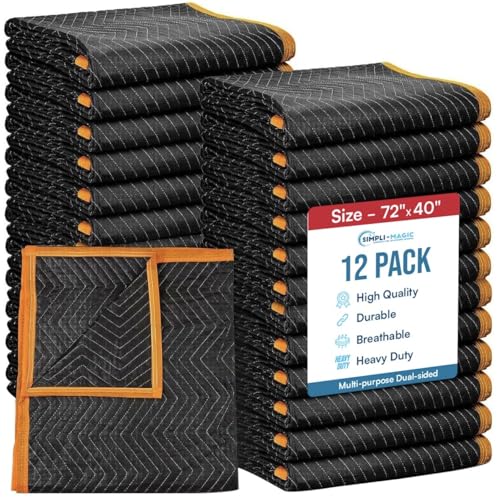
Begin by gathering sturdy and clean protective wraps, which are crucial for safeguarding items during transit or storage. Choosing thicker, padded versions helps prevent scratches and dents, ensuring the integrity of surfaces and corners remains intact.
Next, approach the process methodically. Lay the cover flat on the ground and position the item on top, ensuring it’s centered. Fold the fabric over one side, then across the opposite side, tucking it securely. Reinforce with tape or straps to keep everything snugly in place, creating a shield against potential bumps.
Finally, secure additional layers for larger items or those with intricate designs. Ensuring full coverage minimizes movement and enhances protection during transport. Investing this time and effort pays off by preserving the condition of your cherished belongings.


Effective Techniques for Securing Items with Protective Covers
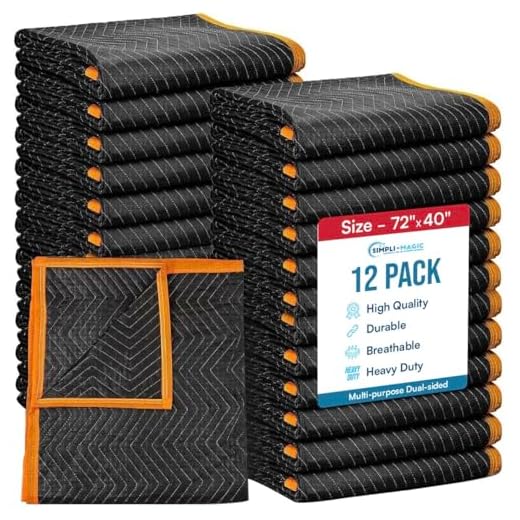
Begin by selecting high-quality protective covers that are thick enough to absorb shocks. I prefer blankets with a durable outer layer to prevent tears during transit.
Next, place the blanket flat on a surface, ensuring it’s spread out completely. For larger pieces, align the cover to extend well beyond the edges to maximize protection.
Carefully position the item on top of the blanket. If the item is heavy, ensure stability by placing it on a secure, level surface.
Fold each side of the cover over the item, overlapping slightly for enhanced safety. Use strong packing tape or straps that are reliable to fasten the cover securely in place. This prevents any accidental shifting during the move.
For extra cushioning, you might add bubble wrap or additional padding in areas prone to damage, like corners and edges. This additional layer will absorb shocks more effectively.
Make sure to label each wrapped piece for easy identification during unpacking. Clear labels can save time and help in organizing your new space.
Finally, ensure that the wrapped items are stored upright if possible. This not only makes them easier to transport but also minimizes the risk of damage caused by weight distribution.
Selecting the Right Moving Blankets
Choose heavy-duty options for maximum protection. These are typically made from thicker materials, providing better cushioning against impacts and scratches.
Material Considerations
Look for blankets crafted from cotton or polyester blends; both offer durability. Cotton is softer on surfaces, while polyester tends to be more resistant to wear and tear. Avoid flimsy fabrics that can’t withstand the rigors of transit.
Thickness and Weight
Thicker models often provide enhanced resistance against moisture and damage. A weight of around 5 to 6 pounds per blanket is ideal, ensuring they deliver sufficient insulation and protection during transport. Always verify the dimensions to match your specific needs.
Preparing Furniture for Wrapping
First, I clear the area around each piece to create enough space for maneuvering. Removing all loose items is essential to prevent damage. Any smaller accessories, like knobs or legs, should be detached if possible, reducing the risk of breakage.
I then inspect every item for any existing damage. Documenting scratches or dents allows me to monitor any new issues that may arise during transportation.
Cleaning surfaces is my next priority. Dust, dirt, or grime can scratch finishes during transit, so I use a soft cloth to wipe everything down.
After cleaning, I apply protective materials such as bubble wrap or foam padding on vulnerable areas. Corners and edges especially benefit from extra cushioning to avert potential impact. I ensure that each surface is adequately covered.
For larger pieces, I make sure that all drawers and doors are securely fastened. If the structure is not stable, it might compromise the integrity during handling.
Lastly, I prepare all necessary materials for the next steps, ensuring that protective coverings are readily available for each item. This organization helps streamline the process, making it efficient and straightforward.
Techniques for Wrapping Different Furniture Types
For each type of item, I employ specific methods to ensure maximum protection and coverage during transportation. Here’s how to approach various categories:
Large Items (Sofas, Beds)
- Start at one end and fully drape the blanket over the piece, allowing excess material to hang over the edges.
- Secure the blanket in place using packing tape or stretch wrap, focusing on corners and seams to avoid slipping.
- If needed, add an additional layer for extra cushioning, particularly on vulnerable areas like armrests or footboards.
Fragile Pieces (Tables, Glass Cabinets)
- Begin by securing corners with bubble wrap or foam padding to minimize impact risk.
- Overlap the fabric carefully around sharp edges and curves. Tuck in the material around the base for improved stability.
- Consider using cardboard corners for added protection before enclosing the entire item in a blanket. Finish with tape to seal edges correctly.
Cushioned items require careful handling. Adjust the fabric layers based on the shape and fragility to ensure no surfaces are left exposed. This method effectively safeguards integrity during transit.
Securing Moving Blankets with Straps or Tape
Use straps or tape to firmly hold coverings in place. I have found that heavy-duty ratchet straps provide excellent stability for larger items. Loop the straps around the packed layer and tighten securely, ensuring there is no movement during transport.
For lighter objects, I recommend using stretch film or packing tape. Start by securing one end to the item and wrap it around several times, making sure the protective fabric stays snug against the surface. This method prevents slippage while also keeping dust and moisture at bay.
Position the straps or tape strategically around corners and edges for better grip. I typically place additional support in the middle section for added security. It’s vital to check that nothing is loose before loading onto the vehicle.
When using duct tape, cut strips of an appropriate length and apply them firmly across the coverings. I prefer to use a combination of tape and straps for maximum security. The dual-layer approach acts to absorb shocks while ensuring the protective covers remain intact.
Wrapping Fragile Items and Antiques
Begin by gathering sturdy padding, ensuring items are well-cushioned. If you’re handling delicate antiques or fragile objects, use multiple layers of soft material for added protection against impact.
Utilize corner protectors made from foam or cardboard to shield edges, which are often more susceptible to damage. Secure each corner neatly, preventing any movement during transport.
When positioning the items, allow adequate space between each piece to avoid friction. Utilize additional cushioning material like bubble wrap or paper to fill gaps and absorb shocks.
For particularly valuable pieces, consider double-wrapping them. A layer of bubble wrap followed by a thick quilt or wrap enhances security and prevents any jostling.
To secure everything, loop straps around the padded items, avoiding excessive tension that could lead to compression. Opt for plastic or fabric ties rather than conventional tape, as it can damage surfaces upon removal.
Label each package specifically, noting the contents and handling instructions. Clearly mark “fragile” stickers to alert anyone who may assist in transportation or storage. This reduces risks associated with mishandling and ensures the integrity of delicate items.
Lastly, during transit, position these items safely, placing them in an upright position within the vehicle. Avoid stacking heavy boxes on top of them to mitigate pressure and potential damage.
Avoiding Common Wrapping Mistakes
Prioritize tightness. Ensure the protective coverings are snugly fitted around the items. Loose coverings can shift or slide during transportation, leading to potential damage.
- Secure edges to prevent wear. Use tape or straps to keep the edges in place, avoiding unnecessary friction and potential tears.
- Don’t neglect corners. These areas are often the most susceptible to impact, so pay extra attention to their protection.
- Avoid excessive layering. While adding more protective layers may seem beneficial, it can create bulk, making it harder to maneuver items in tight spaces.
Maintain cleanliness. Remove dust and dirt from surfaces before encasing the items. Debris can scratch finishes during movement.
- Assess weight distribution when lifting wrapped pieces to prevent strain or accidents.
- Do not rush the process, as hasty efforts can lead to oversights that compromise safety.
Check for signs of weakness in the wrappers. Regularly inspect for rips or tears before use, replacing any damaged pieces swiftly. Ultimately, taking the time to be thorough can save significant trouble down the line.
Transporting Wrapped Furniture Safely
Before loading, ensure items are adequately secured in the vehicle. Utilize a sturdy transport method, whether a truck or van, with ample space for your possessions. Placing items upright minimizes the chance of damage during transit.
During the loading phase, distribute weight evenly. Center heavier pieces to maintain vehicle balance. Use tie-downs to anchor larger items and prevent shifting. It’s beneficial to layer smaller pieces around larger ones, filling gaps to reduce movement.
Monitor temperature conditions. Extreme heat or cold can affect certain materials, so consider protecting sensitive items with additional layers or padding if necessary.
Upon arrival, carefully unload and inspect items for any signs of damage. Remove coverings only once settled in their new location to avoid dust accumulation or accidental scrapes.
| Tip | Description |
|---|---|
| Weight distribution | Center heavy items to balance the load. |
| Secure anchoring | Use tie-downs to keep larger pieces from shifting. |
| Temperature awareness | Protect sensitive materials from extreme temperatures. |
| Unload carefully | Inspect items for damage before removing coverings. |
Removing Moving Blankets Without Damage
I recommend starting at a corner, gently peeling the material away from the surface. Taking your time is key to prevent any surface scratches or dents. For larger items, enlisting someone to help can ensure that both ends are freed simultaneously, reducing the risk of any accidental pulls or strains.
If fabric or padding has adhered to certain sections due to static or moisture, use a soft brush to carefully break the bond without pulling too hard. Avoid yanking the covering as it may tear or disturb the protective layers underneath.
After the initial removal, check for any areas where the covering might be stuck. A slow, deliberate approach allows both the covering and the item to separate more smoothly. If you notice any resistance, pause and assess the situation before proceeding.
When dealing with delicate surfaces, consider placing a thin layer of protection, such as a cotton sheet, between the item and the padding during removal. This additional layer can provide extra safeguarding against any unintended bumps or abrasions.
Once the coverings are off, inspect the surface for any signs of damage. If there’s dust or residue, a soft cloth with a suitable cleaner will help return the item to its original condition. Proper handling during the unwrapping phase helps maintain the quality and appearance of every piece.
FAQ:
What materials do I need to properly wrap furniture with moving blankets?
To effectively wrap furniture with moving blankets, you’ll need the following materials: moving blankets (or pads), packing tape or stretch film, and optionally, furniture straps for added security. Make sure the moving blankets are clean and in good condition. You might also want to have scissors on hand for cutting tape or film.
How do I choose the right moving blankets for my furniture?
Selecting the right moving blankets involves considering the size and weight of your furniture. Opt for thicker, more padded blankets for heavy or fragile items. Look for blankets that provide adequate coverage and protection. Standard moving blankets are usually around 80” x 72”, but you can find larger options for oversized furniture. Ensure the blankets are made of durable materials to withstand wear during transportation.
Can you give me step-by-step instructions for wrapping a sofa with moving blankets?
Sure! Here’s how to wrap a sofa with moving blankets: First, lay the sofa on its side or back for easier access. Then, unfold a moving blanket and drape it over the sofa, ensuring it covers all sides. Roll the blanket tightly around the sofa, starting from one end and moving to the other. Use packing tape or stretch film to secure the blanket in place, making sure it’s snug but not too tight. Finally, if you have furniture straps, use them to further secure the blanket, especially for heavy sofas. This will help prevent any slipping during transport.
How can I make sure my furniture is protected during the move?
To ensure your furniture is protected, make sure to wrap each piece securely with moving blankets, covering all edges and corners. Use multiple layers of blankets for added cushioning, and secure them tightly with tape or stretch film. It’s also wise to label each item to prevent confusion during unpacking. If you have particularly fragile or valuable items, consider adding extra padding, such as bubble wrap, before using the blankets. Lastly, always lift and carry your furniture properly to avoid any accidental damage.
What are some common mistakes to avoid when wrapping furniture with moving blankets?
Common mistakes include not using enough blankets, which can leave furniture exposed to damage. Another issue is failing to secure the blankets properly, allowing them to shift during transport. It’s also a mistake to wrap furniture too tightly, which can cause damage to edges or corners. Additionally, not labeling wrapped items can lead to confusion when unloading. Finally, be cautious about using dirty or damaged blankets, as this can transfer grime or moisture to your furniture.