Caleb Turner
Begin by cleaning the surface thoroughly with a damp cloth to remove dust and grease. This step ensures that any new finish adheres correctly and that imperfections are more visible.
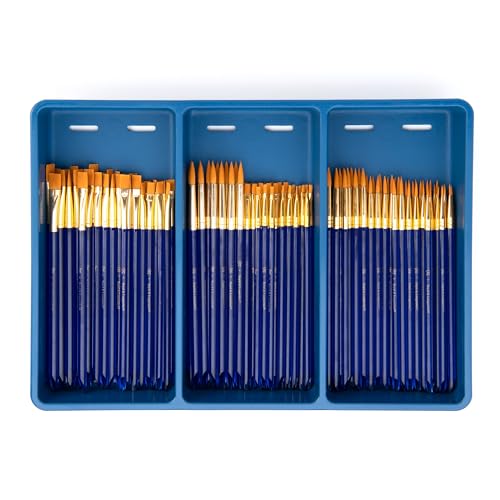
Next, for minor scratches and chips, I recommend using a fine brush or clean cloth to apply the matching hue directly onto the affected areas. Make sure to feather the edges to achieve a seamless blend with the surrounding area.
If deeper flaws are present, consider using a lightweight filler. Apply the filler with a putty knife, smoothing it out to be even with the surrounding surface. Once it dries, sand it gently for a smooth finish before moving on to painting.
When it’s time to refresh the entire piece, tape off any areas you want to keep untouched. Using a good quality paint, apply a thin coat with a roller or brush. A combination approach often yields the best results, with brushes working well for detailed spots and rollers covering larger areas efficiently.
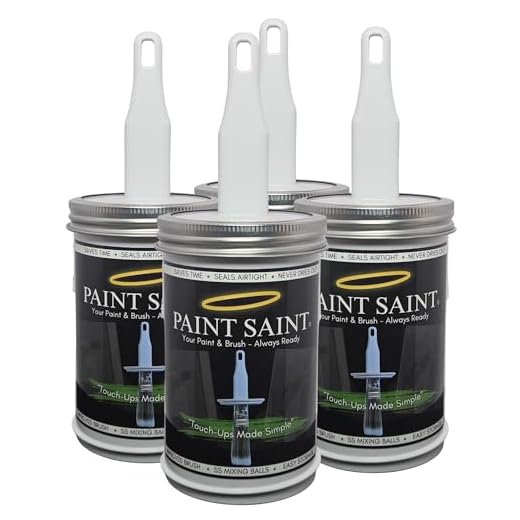


For a durable finish, two or more coats may be necessary. Allow adequate drying time between applications, and always finish with a clear protective layer to guard against wear and tear.
How to Touch Up Painted Furniture
Begin with a clean surface. I wipe the area around the blemish with a damp cloth, ensuring that dust and debris are completely removed.
For minor scratches, I use a matching color marker or crayon that corresponds to the finish of the piece. I carefully apply it, filling in the scratch, followed by a gentle buff with a soft cloth.
In cases of larger imperfections, I sand lightly with fine-grit paper, being cautious not to remove too much of the existing layer. I then clean the dust off before applying a small amount of the original color with a brush or sponge, blending it well into the surrounding area.
If I encounter faded areas, I consider using a paint pen that matches the original hue. This tool allows me to target specific spots efficiently and offers precision in reapplication.
For a glossy look, a clear topcoat can be applied over repaired sections to ensure consistency in finish. I always let each layer dry thoroughly before adding another to achieve a flawless result.
Lastly, I always keep spare paint or touch-up supplies handy for future incidents. Regular maintenance keeps items looking refreshed and extends their lifespan.
Assessing the Condition of Your Furniture
Begin with a thorough visual inspection. Look for scratches, chips, or areas where the surface has lost its luster. Pay attention to corners and edges, as these areas often show the most wear.
- Check for any peeling or flaking. This indicates a potential issue with the adhesion of the coating.
- Feel for rough spots that may require smoothing before any repair work.
- Identify discoloration or fading that might suggest exposure to sunlight or moisture.
Evaluate the stability of the piece. Gently shake or move it to see if there are loose joints or wobbly legs. Addressing structural concerns first will prevent further damage during cosmetic repairs.
Examine the finish for shine or gloss discrepancies. An uneven sheen suggests areas that may need additional refinishing work. Document all findings, as this will guide your repair process effectively.
Consider the overall age and material type. Older items may require specific techniques or materials for restoration. Note any previous repairs; understanding what has been done before can inform your approach.
Finally, gather any required tools and materials based on your assessment. This preparation will streamline the restoration workflow and ensure that all necessary items are on hand for a successful refresh.
Choosing the Right Paint and Tools for Touch-Ups
For effective refinishing, selection of specific colors and equipment is key. I recommend matching the original hue as closely as possible. If I have the leftover paint from the initial application, I use it for quick fixes. If unavailable, color matching at a paint store can provide a close alternative.
Utilizing a high-quality acrylic or latex based solution ensures durability. I prefer satin or eggshell finishes for their ability to hide imperfections while still providing a sheen. For outdoor items, consider paint with weather resistance properties.
Essential Tools
Investing in the right implements streamlines the process. A fine-tipped brush is essential for precise application, particularly in smaller areas. For larger surfaces, I opt for foam rollers; they deliver an even coat and reduce brush strokes. A sanding sponge is also helpful for preparing areas before the application.
Keep a clean cloth at hand to wipe away excess paint and maintain neatness. A small palette or plate assists in mixing colors if needed. If a sprayer is available, it can yield a flawless finish, especially for intricate details.
Preparation Steps
Prior to application, it’s important to clean the surface thoroughly to remove dust and oils. If my item has significant chips or scratches, sanding smoothens these areas for better adhesion of the new layer. After sanding, wiping with a damp cloth removes any debris, ensuring optimal bonding of the new coat.
Preparing the Surface Before Touching Up
Clean the area thoroughly with a soft cloth and a gentle cleanser to remove dirt and grease. This step ensures maximum adhesion of the new layer.
Inspect for imperfections such as scratches, chips, or peeling. Use fine-grit sandpaper to smooth out rough spots, taking care not to damage the surrounding finish.
If the original coating appears glossy, lightly scuff it with sandpaper to create a better bonding surface for the new application. Wipe away dust with a damp cloth after sanding.
For areas with severe wear, consider applying a primer before adding new color. This will enhance coverage and durability, especially for contrasting shades.
Ensure the workspace is well-ventilated and free from dust. This helps prevent contaminants from settling on the freshly prepared area.
Check the temperature and humidity levels to guarantee a suitable environment for the application, as extremes can affect drying and finish quality.
Applying the Paint: Techniques for a Flawless Finish
For the best results, I always opt for a high-quality brush or a foam roller, ensuring even coverage without leaving streaks. A synthetic brush works well with latex finishes, while natural bristle brushes excel with oil-based options.
I begin with thin layers, applying the coating in long, smooth strokes, following the grain of the material for a seamless blend. This method prevents build-up and drips, which can mar the final appearance. If using a roller, I apply pressure evenly to avoid bubbles.
Maintaining a wet edge is crucial; I apply the material within a manageable section to ensure it blends perfectly as I go along. If I notice imperfections, I correct them immediately to avoid any damage to uncured areas.
Allowing adequate drying time between layers is a must. I follow the manufacturer’s recommendations on curing durations; this not only enhances adherence but also fortifies the finish. After the initial layer dries, I lightly sand the surface with fine-grit sandpaper before applying the next coat to enhance adhesion.
Finally, I always finish with a final light sanding and a topcoat, such as a clear polyurethane, to protect the surface and achieve a polished look. This final touch ensures durability and enhances the aesthetic appeal.
Blending Touch-Up Areas with Existing Coating
To achieve a seamless effect when refreshing specific spots on your surface, it’s critical to consider a few detailed steps.
First, choose a paint color that closely matches the existing layer. It’s beneficial to use the same finish type, whether it’s matte, satin, or glossy. Sample the color on a small, inconspicuous area before committing.
Next, I recommend using a palette knife or fine brush for precision. Apply the new layer in thin coats, gradually building up to the desired coverage. Allow each coat to fully dry before adding another to prevent an uneven surface.
To blend the edges, gently feather the new application into the surrounding area. Utilize a clean, dry brush to soften the borders by lightly brushing outward from the touched-up region, ensuring the transition is smooth.
Finally, assess the finish once dry. If necessary, lightly sand the touched-up spots with fine-grit sandpaper, followed by a quick buffing to harmonize the sheen with the rest of the surface.
- Ensure color matching is accurate.
- Use appropriate tools for precision applications.
- Feather the edges carefully to blend.
- Check for sheen compatibility after drying.
Drying and Curing Times to Consider
After applying your chosen color mixture, allow it to dry adequately. Waiting at least 2 to 4 hours before assessing the results is recommended, but this timeframe may vary based on humidity and temperature.
Curing differs from drying; the latter refers to surface moisture while curing signifies the complete hardening of the coating. Expect 7 to 14 days for full curing, with optimal conditions accelerating this process.
For optimal results, avoid placing objects on the newly refurbished surface until cured completely. This prevents impressions and potential damage to the finish. Additionally, maintaining a controlled environment–minimal airflow and stable temperatures–can expedite both drying and curing.
Consider using a fan in a well-ventilated area to promote airflow, assisting in quicker drying times. However, make sure that the air isn’t too direct to avoid any bubbling or disrupting the finish.
Regularly monitoring these timings ensures the durability and appearance of your refinished items remain intact, aiding in achieving a seamless integration with existing decor.
Sealing and Protecting the Repaired Areas
To ensure longevity and durability in the areas that have been restored, applying a sealant is crucial. I opt for a clear polyurethane or a wax finish, depending on the desired sheen and specific requirements of the surface.
Before applying the sealant, I allow the repair to cure fully. Generally, this takes around 24 hours, depending on the paint used. Doing so prevents moisture from getting trapped, which can lead to peeling or bubbling later on.
When I’m ready to apply the sealant, I use a high-quality synthetic brush or a foam applicator for an even application. It’s essential to apply the sealant in thin, even coats, allowing each layer to dry completely before adding another. Typically, I aim for at least two coats for optimal protection.
The drying time significantly influences the final outcome. I make it a point to adhere to the manufacturer’s recommendations for drying and curing times. This attention to detail not only ensures the finish is resilient but also helps maintain the aesthetic appeal of the project.
| Sealant Type | Finish | Recommended Uses |
|---|---|---|
| Polyurethane | Gloss, Satin, or Matte | High-traffic surfaces, moisture-prone areas |
| Wax | Satin | Low-traffic areas, decorative pieces |
Once the sealant has dried, I inspect for any imperfections and sand lightly with fine-grit sandpaper if needed. This step assures a smooth finish before the final coat of sealant.
Protecting the restored sections is as important as the touch-up process itself. Proper care extends the life of the repair and preserves the overall beauty of the piece.
Maintaining Your Finished Furniture to Prevent Future Damage
Regular maintenance is key to preserving the appearance and durability of your refurbished items. I recommend keeping a consistent cleaning routine using gentle, non-abrasive cleaners to avoid scratching the surface. Microfiber cloths are ideal for wiping down surfaces without causing harm.
Consider applying a protective top coat every six months to a year, depending on usage. This can shield against everyday wear and tear, as well as moisture. Be mindful of the environment; humidity and direct sunlight can degrade the finish over time.
If your piece is used frequently, reinforce vulnerable areas with additional padding, such as felt pads under legs, to minimize scratches on floors and the furniture itself. Inspect for any chips or worn areas regularly, and address them promptly to prevent more extensive damage.
| Maintenance Task | Frequency | Notes |
|---|---|---|
| Wipe with soft cloth | Weekly | Use non-abrasive cleaner |
| Apply protective top coat | Every 6-12 months | Check for signs of wear |
| Inspect for damage | Monthly | Repair areas promptly |
| Use felt pads | As needed | Protect surfaces from scratches |
Finally, always handle items with care. Avoid dragging or pushing to prevent chipping. Storing items away from high-traffic areas can significantly extend their lifespan.