Caleb Turner

The first step is to secure each piece with moving blankets or bubble wrap to prevent scratches and dents. Make sure every corner and edge is adequately cushioned, paying special attention to intricate details that could easily get damaged.
Next, use sturdy boxes for smaller items, ensuring they are packed tightly but without excessive force to avoid crushing. It’s wise to label each box with its contents and the room it belongs to; this streamlines both loading and unpacking processes.
For larger items, disassemble them whenever possible. This not only makes transportation easier but also reduces the risk of damage. Keep all screws and small parts together in a clearly marked bag to avoid losing them.
During the journey, secure everything in the vehicle. Use straps to prevent shifting, as movement can lead to unexpected impacts. If you’re using a truck, place heavier items at the bottom to maintain balance and stability.
Finally, be cautious when loading and unloading. Use proper lifting techniques to prevent personal injury and handle each piece with care to ensure they arrive at your destination intact.


Protecting Items While Moving
Wrap each piece with high-quality bubble wrap to shield against impacts. Secure the wrapping with tape to ensure it stays in place.
Utilize moving blankets for large items, covering surfaces to minimize scratches or dents. Tie these blankets tightly to prevent slipping.
Disassemble larger units, such as beds and tables, removing legs and other detachable parts. Store screws and small components in labeled bags to avoid misplacement.
Use sturdy boxes for smaller elements, filling any empty space with packing paper or foam. This prevents movement inside the box, reducing the risk of damage.
Always transport heavy pieces upright to maintain their structural integrity. Lifting with proper technique, keeping the back straight, lessens the chance of injury and mishaps.
Avoid stacking items on top of each other without padding in between. Place heavier pieces at the bottom of the load and lighter ones on top to promote stability.
Selecting the Right Packing Materials
Using appropriate packing materials significantly reduces the risk of damage. I always choose high-quality supplies tailored to the specific item I’m moving.
Types of Materials
- Bubble Wrap: Ideal for delicate surfaces, providing cushioning and shock absorption.
- Moving Blankets: Perfect for larger pieces, protecting against scratches and scuffs.
- Cardboard Boxes: Sturdy boxes for smaller items or accessories, ensuring easy stacking and organization.
- Foam Sheets: Great for extra protection around edges and corners of furniture.
- Packing Tape: High-quality tape keeps everything secure and prevents shifting.
Specific Applications
- For glass items, I wrap them in bubble wrap, followed by a layer of cardboard for additional strength.
- Wooden pieces benefit from blankets to inhibit scratches, while I secure any loose parts with tape.
- For smaller components, I categorize and label boxes, making retrieval straightforward.
- Using foam sheets along with bubble wrap helps to cushion key areas on fragile items.
Choosing the right supplies is just as vital as the packing process. It ensures that every item arrives at its destination intact and in excellent condition.
Dismantling Furniture for Safe Transport
To ensure secure movement of larger items, I recommend disassembling pieces whenever possible. Begin by gathering the necessary tools, such as screwdrivers, wrenches, and Allen keys, depending on the assembly method.
Step-by-Step Approach
First, remove any detachable components, including shelves, drawers, and legs. This not only reduces weight but also minimizes the chances of damage. For items like beds, take apart the frame and headboard to create a more compact assembly. Label each part with tape or a marking system to streamline reassembly.
Securing the Parts
Once items are disassembled, I wrap each piece in protective materials like bubble wrap or moving blankets to avoid scratches and dents. Use tape to keep protective layers in place but avoid direct application on surfaces to prevent residue. Store smaller components in labeled bags or containers to keep everything organized. Secure larger sections together using straps or ropes to prevent shifting during relocation.
Using Protective Covers and Wraps
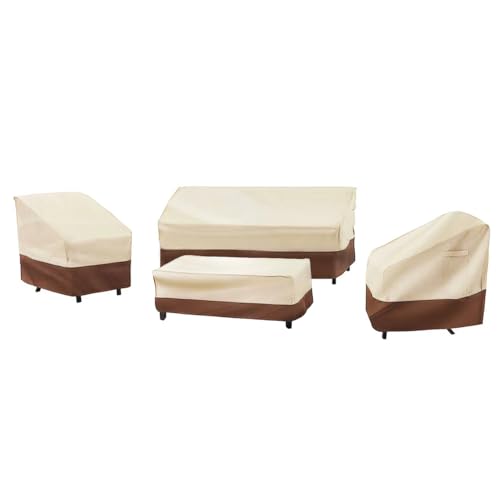
I recommend investing in high-quality protective covers and wraps. These materials are specifically designed to provide cushioning and shield surfaces from scratches and dents.
For larger items like sofas and mattresses, I prefer durable moving blankets. They offer excellent padding and can easily be secured with tape or straps. For smaller pieces, plastic wrap is ideal. It clings tightly and keeps dust and moisture out while preventing movement of parts.
Use bubble wrap for fragile components such as glass or mirrors. Wrapping each item individually helps absorb shocks. Always tape the wrap securely to avoid it loosening during movement.
Don’t forget to cover corners and edges with corner protectors. These can be made from cardboard or foam and are essential in preventing damage in tight spaces.
Label each wrapped item. This simplifies the unpacking process and ensures that extra precautions are taken with delicate pieces. The right combination of covers and wraps can significantly reduce the risk of damage, ensuring a smoother transition.
Securing Furniture in the Moving Vehicle
I always prioritize proper positioning of items in the moving van. Placing heavier pieces on the bottom and lighter ones on top ensures stability. I make sure that large items, such as sofas or dressers, are positioned against the walls of the vehicle to prevent them from shifting during transit.
Using tie-downs is key. I secure larger items using straps or ropes that are anchored to the vehicle’s tie-down points. This prevents any lateral movement. I also check that no gaps exist between pieces, as this can lead to unexpected shifts.
I utilize padding between items. Blankets or foam can be effective buffers that absorb impact and prevent scratches or dings. I often apply these around corners or edges where damage is more likely to occur.
When loading, I consistently distribute weight throughout the space. This keeps the vehicle balanced, reducing the risk of tipping or losing control on sharp turns. It’s important to periodically check the arrangement while loading, adjusting as necessary.
Lastly, securing doors and compartments on the items being moved is crucial. I use tape or wrap to keep doors securely closed so they don’t swing open during movement. Regular checks during breaks in transport can help ensure everything remains in place.
Avoiding Damage During Loading and Unloading
Always begin loading and unloading by assessing the space and planning the movement path. Enlist a team for assistance, ensuring everyone understands their role. This coordination minimizes risks and streamlines the process.
Utilize sliders or dollies to move bulky pieces. They reduce strain and the potential for dropping items. Ensure all surfaces are clear of obstacles to prevent slips and bumps.
Follow these steps for safer handling:
- Lift with your legs, not your back, to avoid injury.
- Grip items firmly, checking that hands are dry and free from slippery substances.
- When carrying large items, communicate with your team to maintain balance.
Practice controlled movements. Rushing can lead to accidents. If an item feels unwieldy, stop and reassess. Consider using additional equipment if necessary.
Position suitable padding or blankets under items as you lift them into vehicles. Make sure to adjust placements as necessary to prevent any movement during loading or unloading.
When placing items, lower them gently rather than dropping. Take the extra moment to orient each piece properly, ensuring stability upon arrival.
After everything is loaded, check for any shifts to secure a safe journey ahead. Should anything feel loose, take the time to reposition it before concluding the process.
Inspecting Furniture Before and After Transport
Before wrapping and loading items, I meticulously examine each piece for existing blemishes, dents, or scratches, ensuring that I document any pre-existing damage. This creates a reliable record that aids in any potential claims for damage incurred during transit.
After arrival, I again inspect every item thoroughly, comparing my findings to the initial documentation. If I identify any new damages, I note them immediately and take photographs for reference.
I also recommend conducting this assessment in the presence of the moving team. This practice can clarify accountability for damages if something occurs while handling or in transit.
| Inspection Step | Description |
|---|---|
| Pre-Transport Examination | Check for existing damages and document them. |
| Post-Transport Assessment | Review items against initial documentation for any new marks. |
| Involving Moving Team | Invite the movers during inspection for accountability. |
| Photographic Evidence | Take clear pictures of damages pre and post for records. |
Dealing with Different Types of Furniture Finishes
To safeguard various finishes, I focus on identifying the type of coating on each piece. For lacquered surfaces, I wrap them with soft cloths to prevent scratches and dents during movement. Avoid direct contact with plastic wraps, as they can trap moisture and damage the finish.
Wood Finishes
For oiled or waxed wood, I apply a light coating of wax prior to any handling. This forms a barrier against scratches and helps maintain the sheen. Cushion these items with bubble wrap, ensuring that the wrap does not crush any edges.
Upholstered and Leather Items
With upholstered pieces, I shield the fabric with breathable covers or blankets to repel dirt and prevent tears. For leather surfaces, it’s wise to apply a leather conditioner before covering to enhance resilience against scuffs. Keep these items upright where possible to maintain shape and integrity.