
 Caleb Turner

The site typically welcomes campers from mid-May through October, giving outdoor enthusiasts a prime window for exploration and relaxation. It’s best to check on local park updates as conditions may influence these dates.
For those planning a visit, securing a reservation ahead of time is advisable, especially during peak summer months. This ensures access to the desired spots with the most stunning views and optimal amenities.
Be prepared for variable weather, as temperatures can fluctuate significantly at higher elevations, even in warmer months. Packing appropriately will enhance the experience, allowing enjoyment of the natural surroundings to the fullest.
Opening Dates for Loft Mountain Campground
I found that this site typically welcomes visitors in mid-April, with the exact date varying each year depending on weather conditions. For 2024, it’s projected to be accessible starting April 15th. Always check local announcements or the official website for any updates as the opening approaches.
Reservations are highly recommended from mid-May through October, especially during peak summer months. Weekends tend to fill up quickly, so planning ahead can secure your spot. I suggest booking several months in advance if you aim to visit during these peak times.

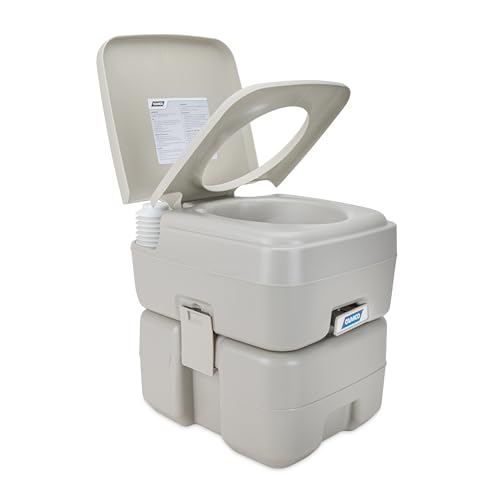

Keep in mind that facilities may be limited during the early season, so it’s a good idea to bring essentials. The restrooms and water stations might not be fully operational until after the initial opening phase. Be sure to review the campground rules and guidelines outlined on the official park website for a smooth experience.
As weekends approach, park rangers offer programs which enhance the camping experience, so checking the schedule beforehand can also be beneficial. Arriving early in the day not only ensures a good site selection but also allows you to partake in these shared activities.
Seasonal Opening Dates for Loft Mountain Campground
The campground typically begins welcoming visitors around mid-April and operates until the end of October. To ensure a spot, making reservations ahead of time is advisable, especially during peak summer months.
Peak Season Overview
From late May to early September, expect higher occupancy rates. This period is popular for families and groups seeking to enjoy outdoor activities. Arranging your visit during weekdays can help avoid crowds.
Weather Considerations
Weather varies significantly by season. Spring and fall may offer cooler temperatures, perfect for hiking, while summer can bring heat. Keeping an eye on the forecast before your trip guarantees a more enjoyable experience.
Weather Conditions Affecting Opening Times
Check forecasts closely as inclement weather can delay access to campground facilities. Rain, snow, or extreme temperatures may impact availability, sometimes extending seasonal closures. I recommend monitoring regional weather reports leading up to your visit.
Temperature Variations
Chilly nights in early spring or late fall can influence operational decisions. If nighttime lows drop significantly, it’s vital to confirm with local authorities before planning your trip.
Precipitation and Storms
Heavy rainfall or thunderstorms can cause flooding, making the area unsafe. It’s crucial to stay updated on potential weather warnings. Contact local visitor centers for real-time information on safe conditions and access routes.
Reservation Policies and Availability
I recommend booking a spot well in advance during peak seasons to secure your desired campsite. Typically, reservations can be made up to six months ahead of your intended visit. Check the official website for specific dates and availability, as some sites may be fully booked earlier than others.
Cancellation policies vary, and it’s essential to review them before confirming your booking. Generally, cancellations made within a specific timeframe may incur a fee or forfeit the deposit. Familiarizing yourself with these details can save you from unexpected charges.
Keep an eye on availability updates as the season approaches. Websites often reflect real-time status changes, allowing you to adjust plans if necessary. Larger groups may need to reserve multiple sites, so coordinating early is crucial.
Lastly, it’s advisable to be aware of any special events or local regulations that could impact access to the area. Staying informed will enhance your experience and ensure a smooth visit.
Campground Facilities and Services During Opening
The facilities and services available at this site are fully operational upon the commencement of the season. Expect essential amenities that enhance your camping experience, including clean restrooms, potable water stations, and designated picnic areas for communal gatherings.
Restrooms feature flush toilets and are strategically situated throughout the area for convenient access. Each station is regularly maintained to ensure sanitation and comfort for all visitors.
Potable water sources are clearly marked and easily accessible, encouraging hydration and meal preparation. It’s advisable to bring refillable containers to reduce waste and stay hydrated during your stay.
| Service | Description |
|---|---|
| Restrooms | Flush toilets with regular maintenance for hygiene. |
| Water Supply | Potable water stations located throughout for easy access. |
| Picnic Areas | Designated spots with tables for group activities and dining. |
| Waste Disposal | Trash and recycling bins available for responsible waste management. |
For those interested in recreational activities, information on nearby hiking trails and areas for wildlife observation can be found at the information kiosk, which is available from the start of the season. Park rangers are also on hand to provide guidance and answer any questions about local flora and fauna.
Reservations are recommended to secure a spot, especially during peak times, and can be done online or by phone. A detailed map of the area and facility layout will help you navigate upon arrival.
Local Events Coinciding with Campground Opening
Mark your calendars for the annual Spring Festival happening simultaneously with the campground’s seasonal start. This event features local artisans, food trucks, and live music, attracting visitors eager to soak up the atmosphere.
Key Events to Attend
- Spring Festival: Enjoy crafts, entertainment, and regional cuisine.
- Nature Walks: Guided hikes are organized to explore the flora and fauna as they emerge from winter.
- Community Cleanup Day: Volunteer opportunities to help maintain the trails and surrounding areas.
While participating in these festivities, take advantage of nearby activities such as bike rides and bird watching. Each of these events enhances the whole experience and promotes engagement with nature.
Tips for Participants
- Arrive early to secure parking and enjoy the best of each event.
- Bring reusable items to minimize waste during the celebrations.
- Check local websites or social media for any last-minute updates or changes to the schedule.
This combination of festivities and outdoor experiences complements the arrival of visitors looking to relish the beauty of the season while enjoying a variety of local offerings. It’s a great chance to connect with the community and embrace nature.
Transportation Options to Reach the Campground
Driving is the most straightforward method to access the facility. The nearest major roadway is Route 33, which connects to the scenic byways leading directly to the entrance. Upon arrival, there are designated parking areas for visitors.
If public transport is preferred, consider taking a bus to the nearest town, then arranging for a local taxi or rideshare service. This option may require prior planning, especially during peak seasons.
For those who enjoy biking, there are multi-use trails that offer an exhilarating way to travel. Ensure your bike is in good condition and equipped for varied terrain.
During warmer months, check if any local shuttle services are available. Some regional parks provide shuttles that closely align with popular activity dates. This could enhance the overall adventure without the hassle of navigating alone.
Lastly, for a more immersive experience, carpooling with fellow nature enthusiasts is a practical alternative. It fosters community and reduces the number of vehicles, which lessens environmental impact while enhancing camaraderie before reaching the site.
What to Pack for Early Season Camping
Prepare a robust gear list that addresses the unique challenges of springtime wilderness adventures. The weather can be unpredictable, varying from brisk winds to sudden showers, so layering and flexibility are key.
Clothing Essentials
- Moisture-wicking base layers to stay dry.
- Insulating mid-layers like fleece or wool for warmth.
- Waterproof and windproof outer shell to protect against elements.
- Sturdy, waterproof footwear for wet and muddy trails.
- Extra pairs of socks; wet socks can ruin a trip.
Camping Gear and Equipment
- Four-season tent for added stability and protection.
- Sleeping bag rated for lower temperatures; consider synthetic insulation for humidity.
- Sleeping pad with insulation to prevent heat loss from the ground.
- Portable cooking system, along with fuel suitable for cooler temperatures.
- Weather-appropriate food options, such as ready-to-eat meals or freeze-dried options.
Don’t overlook safety items. A first aid kit tailored to outdoor conditions, a reliable multi-tool, and a good flashlight or headlamp with extra batteries can make a big difference. Bring navigation tools, like a map and compass, since some trail markers may be obscured by seasonal changes.
A lightweight, packable rain cover for your backpack will protect your gear from unexpected showers.
Staying informed about local wildlife is also important; packing bear-proof storage containers may be necessary depending on your destination. Check if firewood collection is permitted and consider bringing your own kindling.
By assembling a thoughtful and comprehensive packing list, I can focus on enjoying the beauty of nature without the stress of being unprepared.
Safety Tips for Early Season Campers
Ensure you have a reliable weather forecast before heading out. Early season temperatures can fluctuate significantly, so being prepared for sudden changes is crucial.
Check your gear for functionality. Inspect tents, sleeping bags, and cooking equipment to ensure they perform well in cooler, damp conditions. Replace any broken or worn-out items.
Packing proper clothing is vital. Layer your attire to adjust to varying temperatures, including moisture-wicking base layers, insulating mid-layers, and waterproof outer layers. Don’t forget a warm hat and gloves!
Bring extra firewood for warmth and cooking. Early season conditions may make gathering wood more challenging, so having a reliable supply can be a lifesaver.
Hydration is important, even in cooler weather. Ensure you have enough water and a method for treating water sources nearby.
Set up your campsite in a safe location. Avoid low-lying areas that may collect cold air or water. Ensure you’re at a suitable distance from any water sources to prevent flooding and minimize wildlife encounters.
Always let someone know your itinerary and expected return date. In case of an emergency, having check-ins in place can be critical for your safety.
Be aware of wildlife activity. Early in the season, animals are often more active as they emerge from hibernation. Keep food stored securely to avoid attracting them.
Bring first aid supplies. Accidents can happen, so it’s wise to have a kit ready for minor injuries.
Lastly, inform yourself about local regulations and guidelines. Understanding the rules regarding campfires, waste disposal, and wildlife protection ensures a responsible camping experience.
Frequently Asked Questions About Campground Opening
The anticipated date for visitor access typically falls around mid-April each year. I recommend checking the official park website for real-time updates, as weather conditions can influence this schedule.
Availability for Reservations
Reservations are encouraged during peak seasons. Booking can often be made up to six months in advance through the online portal, which helps secure a spot amid high demand. I advise confirming availability early, especially for weekends and holidays.
Facilities and Services
Upon reopening, amenities such as restrooms, water stations, and picnic areas are generally available. Keep in mind that certain services may have limited operations in the early season, so it’s a great idea to verify which facilities will function during your visit.
Planning around these details will enhance your experience, ensuring a seamless trip. Always double-check for alerts or advisories that may affect your plans.
FAQ:
What are the opening dates for Loft Mountain Campground?
Loft Mountain Campground typically opens in mid-April, depending on weather conditions and park management decisions. It’s a good idea to check the official website or contact park services for the exact opening date each year, as it can vary slightly.
How can I find out if Loft Mountain Campground is open before my visit?
You can visit the official website of Shenandoah National Park or call the visitor center for the most current information on campground openings. They provide updates on conditions, availability, and any specific dates for seasonal openings.
Are there any amenities available at Loft Mountain Campground when it opens?
Yes, Loft Mountain Campground offers a variety of amenities. When it opens, visitors can expect available restrooms, picnic tables, and fire rings. Additionally, there are hiking trails nearby that enhance the camping experience. However, it’s important to check for any seasonal limitations on amenities after opening.
Can I make reservations for Loft Mountain Campground, and when should I do it?
Reservations for Loft Mountain Campground can be made through the National Park Service website, typically starting in early January. It’s advisable to book your site as early as possible, especially for weekends and holidays, to ensure you secure a spot during peak season.
What should I bring when the campground opens in the spring?
When visiting Loft Mountain Campground in spring, it’s important to bring various items for your comfort. Consider packing weather-appropriate clothing, as temperatures can fluctuate. Also, bring camping gear, cooking supplies, food, water, and personal items. Be aware that spring may bring rain, so waterproof gear could be beneficial.
When does Loft Mountain Campground typically open for the camping season?
Loft Mountain Campground usually opens around mid-April each year. However, the exact opening date can vary based on weather conditions and local policies. It’s a good idea to check the official website or contact the park service for the most current and accurate information before planning your trip.


