Caleb Turner

Yes, the property in question employs various fire mitigation strategies to enhance its protection against potential blazes. The thoughtful design includes features such as a cleared defensible space surrounding the structure, fire-resistant materials, and adherence to local building codes that prioritize safety.
Furthermore, the area’s fire management practices are vital. Regular controlled burns and maintenance performed by local authorities significantly contribute to minimizing potential ignition sources and combustible vegetation. Engaging with neighborhood alerts and fire safety resources ensures continued awareness of conditions that could elevate risks.
Staying informed on seasonal fire advisories and engaging in proactive measures such as installing smoke detectors and fire extinguishers can further enhance your safety. By assessing the specifics of the location and incorporating these recommendations, you can enjoy your time in the cabin with greater peace of mind.
Is Mountain Loft in Gatlinburg TN Safe from Fire
I recommend researching the specific fire safety measures in place at the property. Confirm that smoke detectors, fire extinguishers, and clear evacuation routes are well-maintained. Check if the structure has been built using fire-resistant materials. Look into whether the management conducts regular fire drills and emergency preparedness training for staff and guests.
Inquire about local protocols for wildfire prevention and response. Understand how the property collaborates with local fire services to enhance safety during peak risk seasons. Ensure they monitor wildfire alerts and weather conditions regularly to initiate precautionary actions.


It’s wise to read guest reviews focusing on safety experiences. Engage with management directly regarding their emergency plans. This information will significantly enhance your peace of mind during your stay.
Understanding Fire Risks in Gatlinburg Area
Regularly checking for fire weather warnings is essential. The region is prone to dry spells, especially in late summer and early fall, which can elevate the chances of wild blazes. Staying informed through local alerts can help residents and visitors take proactive measures.
Top Contributing Factors
Vegetation density is a significant risk element. Areas with thick undergrowth can easily ignite, providing fuel for spreading flames. I consider it wise to maintain defensible space around properties by clearing away brush and dead vegetation.
Preparedness Tips
Creating a fire safety plan is paramount. This should include an evacuation route and a communication strategy with family and friends. Additionally, having a kit ready with essentials like water, food, and important documents ensures readiness in case of emergencies.
Installation of fire-resistant materials and landscaping with fire-resistant plants improves resilience against potential threats. Simple actions, like keeping gutters clean and storing firewood away from structures, can make a notable difference.
Current Fire Prevention Measures in Mountain Loft
To mitigate potential hazards, regular assessments of emergency protocols are vital. For instance, I recommend ensuring that smoke detectors are installed in every room, functioning correctly, and tested monthly. It’s crucial to keep escape routes clear and well-marked, allowing for a swift exit during an emergency.
Maintenance and Safety Practices
Routine inspection of electrical systems and appliances can prevent electrical malfunctions that may lead to emergent situations. I prioritize keeping flammable materials away from heat sources and storing them safely. Additionally, adhering to local regulations regarding outdoor burning and using controlled outdoor fire pits is essential for preventing accidental ignitions.
Community Programs and Resources
Participating in community awareness initiatives about fire hazards strengthens our collective response to threats. I utilize resources provided by local authorities for learning about fire prevention and evacuation strategies. Engaging with neighbors to share tips and best practices fosters a safer environment for everyone.
Building Regulations for Fire Safety in Cabins
To guarantee the security of structures in woodland areas, strict building codes must be adhered to. These regulations designate material standards, construction techniques, and safety features aimed at reducing the risk associated with combustion incidents.
Key Regulations
- Material Specifications: Use of non-combustible or fire-resistant materials for the exterior is mandated. This includes the application of fire-retardant treatments on wood surfaces.
- Defensible Space: Establishing a defensible space of at least 30 feet around the structure is critical. This area should be free of flammable vegetation and debris.
- Firebreaks: Construction of firebreaks can be required in forested regions, serving to slow the spread of flames.
Safety Features
- Sprinkler Systems: Installation of automated sprinkler systems is often recommended for effective mitigation of heat sources.
- Fire Alarms: Smoke detectors must be present in each room to ensure early detection of any potential issues.
- Egress Routes: Multiple exits should be provided, ensuring safe evacuation pathways for occupants.
Adhering to these regulations not only enhances occupant protection but also minimizes risks to the surrounding ecosystem by limiting opportunities for flames to spread. Always consult with local authorities and fire safety experts when planning a cabin construction project.
Emergency Response Plans for Residents
I recommend all occupants familiarize themselves with the emergency procedures outlined by the community. An effective response plan ensures swift action in critical situations. Keep an updated emergency contact list handy, including local authorities and fire protection services.
Evacuation Routes and Procedures
Identify the designated escape routes from your location. Regularly practice evacuations, paying close attention to exits and ensuring that pathways remain clear. Community meetings should review these plans, allowing for discussion of any concerns or suggestions for improvement.
Emergency Safety Kits
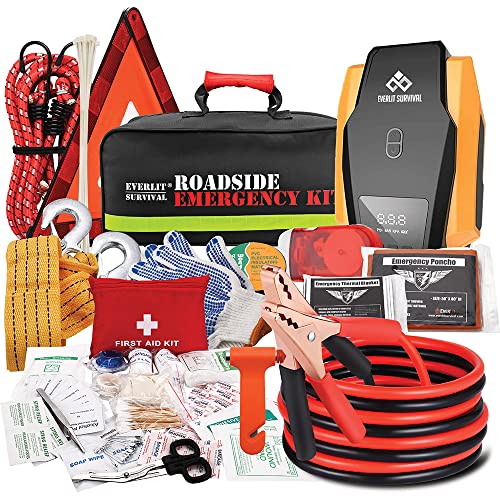
Maintain a well-stocked safety kit that includes first aid supplies, flashlights, batteries, non-perishable food, and water. Ensure that each resident knows the location of this kit. Regularly check and replenish items as needed to guarantee readiness in emergencies.
Recent Fire Incidents and Lessons Learned
To minimize risks, I closely monitor past occurrences of blazes in the region, which provide valuable insights into preventive measures. In recent years, numerous incidents have affected proximity areas, highlighting vulnerabilities and necessary precautions.
Key findings from these events include:
- Prolonged dry spells significantly raise the likelihood of ignitions; maintaining wet grounds and healthy vegetation is crucial.
- Reports indicate that human activity is a major factor in many outbreaks; creating awareness and promoting responsible behavior among visitors is essential.
- Local authorities stress the importance of immediate reporting of smoke or unusual activities to ensure swift action.
- Improved communication between residents and emergency services proved critical during previous incidents, underscoring the need for organized channels of information.
Learning from these events, it’s advisable to implement stringent landscaping practices. For instance, keeping grass trimmed and using fire-resistant materials can impede the spread of potential hazards.
Moreover, joining community programs that focus on education and preparedness is beneficial. Regular workshops can help residents understand the dynamics of local risks and effective response methods.
Ultimately, leveraging knowledge from past incidents allows for building a stronger, more resilient community. Continuous engagement in prevention strategies not only enhances security but fosters a sense of solidarity among residents.
Community Resources for Fire Safety Education
Utilize local fire department resources for educational programs, which often include workshops and seminars focused on hazard recognition and prevention techniques. These sessions are typically available to residents and provide vital information on minimizing risks associated with blazes.
Attend community events organized by safety agencies. They frequently feature demonstrations on using fire extinguishers, establishing evacuation routes, and effective emergency preparedness.
Access informational materials available at public libraries or town halls. These resources may offer invaluable insights into best practices for protecting properties and families from potential incendiary incidents.
Engage with local volunteer organizations dedicated to safety education. They often distribute literature and host active discussions aimed at raising awareness about fire hazards and response strategies within the community.
Explore online platforms and social media groups focused on emergency management. Many residents share personal experiences, advice, and resources that can enhance your understanding and preparedness.
Inquire about neighborhood watch programs that incorporate fire safety as part of their initiatives. Collaborating with neighbors can enhance vigilance and create a proactive community approach to risk management.
Insurance Considerations for Fire Damage in Gatlinburg
Review your policy to ensure comprehensive coverage against blaze-related incidents. Standard homeowners’ insurance may not fully address specific risks associated with wildfires, so verifying the included protections is essential.
Consider purchasing additional coverage such as an endorsement for wildfires. This can fill gaps left by standard policies, offering greater peace of mind and financial security in the event of an emergency.
It’s beneficial to regularly assess the value of your belongings. Document the contents of your residence, creating an inventory for easier claims processing later. Use photographs or videos to supplement this list.
Regularly survey the insurance market for competitive rates and terms. Engaging with an insurance agent familiar with the local area can provide insights into relevant coverages tailored to specific environments.
Table below outlines common types of coverage for burning incidents:
| Coverage Type | Description | Recommended? |
|---|---|---|
| Dwelling Coverage | Covers the structure of the property and attached structures | Yes |
| Personal Property Coverage | Covers personal belongings in case of damage | Yes |
| Loss of Use Coverage | Covers additional living expenses if the property is uninhabitable | Yes |
| Natural Disaster Coverage | Specific to events like wildfire damage | Highly Recommended |
Consult your insurer to explore options for endorsements. Understanding local regulations and potential hazards can further enhance decision-making concerning policy updates.
Engagement with the local community on safety measures and educational programs can also positively influence preparedness, reducing anxiety and potentially lowering insurance premiums.