
 Caleb Turner

Providing suitable alternatives like chew toys significantly decreases the likelihood of damage. Ensure that these toys are engaging and appropriate for their size. A variety of textures and shapes can keep them occupied longer.
Establishing boundaries is crucial. Designate specific areas for play and relaxation. Use baby gates or pens to restrict access to rooms where valuable items are located. Consistency helps reinforce learning, making it easier for them to understand where they can play safely.
Using safe deterrents can also help convey your message effectively. Spraying items with non-toxic, bitter substances can discourage them from taking bites out of your cherished possessions. It’s also wise to monitor their behavior closely, offering praise when they choose the right items to gnaw on.
Create a distraction routine. Engaging in regular playtime or training sessions not only strengthens your bond but also channels their energy into positive activities. Incorporating puzzle toys or interactive games can keep them mentally stimulated and less likely to target your belongings.
Steps to Deter Young Dogs from Damaging Household Items
Utilize crates for safe time-outs. Create a designated area where your pet feels secure and cannot access valuables or delicate items.

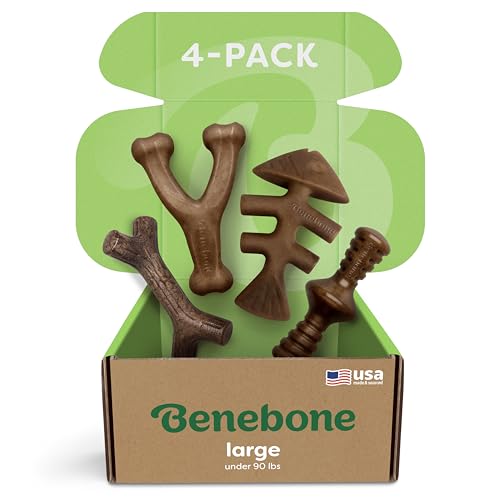


Introduce alternative assets for gnawing. Chew toys infused with treats or flavored chews can redirect interest away from belongings.
Wearable barriers, such as bitter-tasting sprays formulated for pets, can discourage unwanted behaviors. Apply these on susceptible surfaces.
Employ consistent training methods. Reward positive actions within appropriate boundaries while correcting undesired behaviors with a firm “no.”
- Engage in daily physical and mental activities.
- Rotate toys to maintain interest and excitement.
- Regularly clean your living space to remove any enticing scents.
Establish clear boundaries within your living environment. Blocking access to certain areas or purchasing protective covers may safeguard your possessions.
- Observe behavior patterns to identify triggers.
- Adjust environmental factors accordingly.
- Consistently reinforce guidelines over time.
Socialize your companion to reduce anxiety. Exposing them to various environments helps them adapt and diminishes the urge to explore through chewing.
Understanding Why Puppies Chew on Furniture
Addressing this behavior requires recognizing it as a natural action. Young dogs often explore their surroundings with their mouths, similar to how infants use their hands. This stage reflects their developmental curiosity and can be particularly intense during teething. Chewing provides relief as their baby teeth give way to adult ones.
| Reason | Description |
|---|---|
| Teething | Inflammation and discomfort in gums prompt the need to gnaw and alleviate pain. |
| Exploration | Mouth is a key tool for investigating different textures and tastes, contributing to their understanding of the environment. |
| Attention Seeking | Engaging in this activity can capture human attention, whether it’s positive or negative. |
| Boredom | Lack of stimulation can lead to destructive habits; they seek something to occupy their time and energy. |
| Natural Instincts | Some breeds have stronger urges to chew due to their ancestral working roles, such as hunting or herding. |
By understanding these impulses, I can better tailor my strategies to redirect their energy toward appropriate items rather than my belongings. Redirecting their focus is simpler when I provide engaging activities that fulfill their chewing urges and promote their physical and mental development.
Choosing Appropriate Chewing Toys for Your Puppy
Select durable materials such as rubber, nylon, or rawhide that withstand strong bites. Avoid toys that can splinter or break easily, as they might pose choking hazards.
Types of Chewing Toys
- Rubber Toys: Flexible yet sturdy, these toys can be stuffed with treats to engage your pet’s interest.
- Dental Chews: Designed to promote oral hygiene, they help reduce plaque and tartar build-up.
- Natural Chews: Options like bully sticks or antlers provide a satisfying texture while being digestible.
- Squeaky Toys: The sound stimulates curiosity, encouraging playtime while satisfying the urge to gnaw.
Selecting the Right Size
Choose toys that match your companion’s size. A large item can be intimidating for a small breed, while tiny toys may pose risks for larger animals. Ensure the selected plaything fits comfortably in their mouth without being easily swallowed.
Regularly assess the condition of each toy. If it shows wear, replace it promptly to maintain safety. Additionally, rotate toys to keep your pet engaged and excited about their choices.
Creating a Designated Chewing Area
I set up a specific spot in my home where my young dog can safely gnaw without worry. This area is equipped with various suitable items that draw attention and interest away from my belongings. I placed a comfortable mat or blanket to make this zone inviting.
Choosing the Right Location
The place should be easily accessible and away from high-traffic zones. I prefer a corner of the living room or a quiet nook in the bedroom. This ensures my four-legged friend feels secure while enjoying their playtime.
Selecting Chew-Friendly Items
In this designated zone, I include a variety of safe and enticing toys. I recommend durable rubber toys, soft plush items, and edible chews, ensuring there’s a mix to keep boredom at bay. Regularly rotating the items keeps emotions fresh and draws attention back to this area.
| Type of Toy | Benefits |
|---|---|
| Rubber Toys | Durable and long-lasting; great for aggressive chewers. |
| Plush Toys | Soft and comforting; ideal for gentle nibblers. |
| Edible Chews | Satisfies the urge to gnaw while providing nutrients. |
| Interactive Toys | Engages and challenges, promoting mental stimulation. |
This strategy not only discourages nibbling on household items but also fosters good behavior through positive reinforcement. Every time I catch my dog enjoying their treasure trove of toys, I offer praise or a small treat, reinforcing the idea that this is their special space.
Using Deterrents to Protect Your Furniture
Applying bitter-tasting sprays on surfaces discourages unwanted gnawing. Look for pet-safe products designed specifically for this purpose. Ensure to follow the manufacturer’s instructions for optimal results.
Environmental Modifications
- Block access to areas with high-value items by using baby gates.
- Utilize furniture covers that are less appealing to nibble on, such as slipcovers made from thick, textured materials.
- Arrange furniture to create a less accessible environment for your young one.
Consistency in Application
- Regularly reapply deterrents to maintain their effectiveness.
- Combine different methods, like barriers and taste aversions, for a stronger impact.
- Remain observant, adjusting the approach based on what works best in your situation.
Engaging in this multifaceted approach helps maintain the integrity of household items and encourages better habits in young ones.
Implementing a Consistent Training Routine
I set specific training times to establish a routine. Consistency reassures my little companion, helping them understand expectations. I dedicate 10 to 15 minutes daily to focused sessions, keeping them engaging and positive. This usually includes commands like “leave it” and “no,” which directly connect to the unwanted behavior.
Using Positive Reinforcement
I reward desirable actions with treats or praise. Each time my canine opts for their designated toys instead of household items, I ensure to give a treat and affection. This not only reinforces good behavior but also builds trust and strengthens our bond.
Incorporating Off-Leash Time
I make sure to include plenty of playtime in safe, controlled environments where my furry friend can explore and expend energy. Engaging in off-leash exercises allows them to focus their chewing instinct on appropriate items, like sticks or chew balls, rather than household belongings.
Increasing Exercise and Mental Stimulation
Boosting physical activity is key. Incorporate daily walks or play sessions lasting 30 minutes to an hour. Vary routes and activities to keep your furry friend engaged. Games like fetch, tug-of-war, and agility exercises will also enhance physical fitness while breaking monotony.
Interactive Playtime
Utilize puzzle toys that require problem-solving to access treats. These toys engage your pet’s mind and can significantly reduce boredom-related behavior. Include short training sessions throughout the day; teaching new commands or tricks stimulates cognitive functions and strengthens the bond between us.
Socialization Opportunities
Arrange playdates with other animals or visit dog parks. Social interaction provides both exercise and mental challenges, as your companion navigates various social cues and environments. Enriching experiences contribute to overall well-being, redirecting excess energy away from destructive habits.
Supervising Your Puppy During Chewing Moments
Always keep a watchful eye on your furry friend during their active moments. Staying close allows me to intervene promptly when I spot inappropriate nibbling. When I notice my companion reaching for a forbidden item, I redirect their attention to an acceptable chew toy instantly.
Creating a confined space can enhance oversight. Using a playpen or designated area not only keeps them safe but also makes it easier for me to monitor their activities. It’s a practical way to limit access to tempting objects while still providing enough room for play.
Engagement is key. I make it a habit to participate in their playtime, encouraging them to interact with their toys. Being involved distracts them from furniture and reinforces positive behavior. It’s also a wonderful bonding experience.
Timing is crucial. I try to observe patterns in my pet’s chewing behavior. If I notice they tend to gnaw at certain times, such as when they have excess energy, I adjust my routine, offering more exercise or mental challenges beforehand.
Positive reinforcement helps solidify desirable actions. Every time my little companion chooses their toy over furniture, I reward them with praise or a small treat, reinforcing the preferred behavior.
Keeping a consistent routine aids in maintaining structure. Regular feeding, play, and rest schedules give them predictability and security, reducing the likelihood of unwanted chewing activities out of boredom or anxiety.
Lastly, ensuring there are multiple appropriate toys available can deter distractions. A variety of textures and shapes keeps my pet entertained and fulfills their natural instinct to gnaw.
Redirecting Chewing Behavior to Accepted Items
Provide alternatives that satisfy your pet’s desire to gnaw. Offer a variety of toys with different textures and shapes to keep their interest. For instance, rubber chews and soft plush toys can appeal to distinct chewing preferences.
Incorporate items infused with flavors or scents, such as peanut butter or chicken, to make the approved options more enticing. This creates a positive association, guiding them toward appropriate chewing sources.
At times, engage them during playtime with the designated chewables. Encourage them to interact positively with the toys through praise or treats, reinforcing the desired behavior effectively.
When you catch them in the act of targeting a non-acceptable item, gently redirect them to a preferred toy. Stay consistent with this redirection. Consistent responses will make it clear what is acceptable and what’s not, helping them learn quickly.
Establishing a routine that includes dedicated play sessions centered around these toys will reinforce their value in your pet’s daily life. This can reduce the appeal of other items in your home and modify their chewing habits.
Consider rotating the toys regularly to maintain a level of novelty. A fresh selection can renew interest, keeping the focus on approved objects instead of your belongings.
Establishing Boundaries in Your Home
Define specific zones where your pet can explore freely. Use baby gates or barriers to restrict access to areas with valuable belongings. This separation helps create a safe environment while discouraging unwanted habits.
Consistent Designation of Restricted Areas
Ensure that everyone in your household follows the same rules regarding limited spaces. Consistency reinforces understanding and helps your furry friend learn which areas are off-limits. Communicate clearly with family members to avoid confusion.
Creating Positive Associations
In restricted areas, provide engaging alternatives such as toys or designated comfort spots. Encourage your companion to use these areas by rewarding them with praise or treats. This strategy helps build a positive connection with acceptable spaces while minimizing temptation elsewhere.
FAQ:
What are some effective strategies to prevent puppies from chewing on furniture?
To discourage puppies from chewing on furniture, first, provide them with appropriate chew toys. Redirect their attention to these toys whenever you catch them chewing on furniture. You can also use deterrent sprays designed to make furniture taste unpleasant to dogs. Consistent training is important; use commands like “no” or “leave it” when they start chewing on furniture. Additionally, increase their exercise and playtime to reduce boredom, which often leads to destructive behavior.
How can I train my puppy to stop chewing on specific items?
Training your puppy involves both positive reinforcement and consistency. When you see them chewing on furniture, calmly redirect them to a designated chew toy. Whenever they chew on the appropriate toy instead of furniture, reward them with praise or treats. It’s also helpful to establish a routine where they know what items are off-limits. Using baby gates or barriers can help limit their access to areas where they might chew. Consistency in your responses will reinforce their understanding of acceptable behaviors.
Are there any specific chew toys that are recommended for puppies?
Yes, there are many types of chew toys suitable for puppies. Look for soft rubber toys, rope toys, or plush toys that are specifically designed for young dogs. Teething toys that are filled with treats or can be frozen for soothing during teething can be particularly appealing. Always check that the toys are made from non-toxic materials and are appropriate for your puppy’s size to prevent choking hazards. You may also want to rotate toys regularly to keep your puppy engaged and interested.
What should I do if my puppy continues to chew on furniture despite my efforts?
If your puppy persists in chewing on furniture, consider revisiting your training techniques. Make sure that you are consistent with redirecting their behavior and rewarding them for chewing on appropriate items. Increasing mental stimulation and physical exercise can help reduce boredom, which often leads to chewing. Additionally, consult with a veterinarian or a professional dog trainer for further guidance and to rule out any underlying behavioral issues. Sometimes, separation anxiety or boredom can cause persistent chewing behavior.
How do I make my furniture less appealing to my puppy?
To make your furniture less attractive to your puppy, consider using pet-safe deterrent sprays that have an unpleasant taste or scent. You can also cover furniture with slipcovers or blankets that you don’t mind if they get chewed on. Keeping items off the floor, like shoes or toys, can reduce temptation. Finally, ensure your puppy has enough engaging toys available to redirect their attention when they feel the urge to chew on furniture.


