Caleb Turner
To breathe new life into your insulation equipment, first, I focus on proper washing techniques. I use a front-loading washer set on a delicate cycle with cold water to avoid damage. A mild detergent designed for technical fabrics is crucial; it helps maintain the material’s performance while ensuring thorough cleaning.
After washing, I never forget the drying process. I place the item in a tumble dryer on a low heat setting, adding dryer balls to help restore loft by preventing clumping of the filling material. This step is vital in regaining original fluffiness and warmth. Periodically checking for dryness helps avoid overheating.
Regular maintenance also plays a significant role. I ensure the piece is stored correctly, away from moisture and sunlight, using breathable storage bags rather than compressing it into small spaces. By following these straightforward steps, I keep my gear in top condition, ensuring it’s ready for my next adventure.


Revitalize Your Insulation Equipment
Wash it carefully using a front-loading washer with cold water and a gentle detergent designed for down or synthetic materials. Avoid fabric softeners that can harm insulation properties. After washing, run a rinse cycle to remove all detergent residues thoroughly.
Drying Process
Dry it on a low heat setting, using dryer balls or clean tennis balls to help restore fluffiness. Regularly pause the cycle to shake and redistribute the filling, ensuring even drying and preventing clumping.
Storage Recommendations
Store in a large, breathable cotton bag rather than compressing it into a stuff sack. Keep in a cool, dry area to prevent moisture accumulation and mildew growth.
| Action | Description |
|---|---|
| Washing | Use cold water and gentle detergent |
| Drying | Low heat with dryer balls |
| Storage | Store in a breathable bag |
Assessing the Condition of Your Sleeping Gear
I begin by examining the outer fabric for any tears, abrasions, or worn areas that might compromise insulation. Small rips can often be repaired with fabric patches or seam sealants. If I notice significant damage, I consider a professional repair service.
Next, I check the zippers. A functioning zipper is crucial for optimal functionality. If it’s stuck or missing teeth, I apply some lubricant or replace the zipper if necessary.
The insulation is the next focus. I hold the bag up to the light to identify areas where down or synthetic fibers have been compressed. If I see spots that lack fluffiness, I consider washing the bag carefully, as clean fibers regain some volume.
I inspect any closures around the neck or foot box. Adjusters should still tighten effectively, and if they’re worn out, I replace them for better heat retention.
Finally, I conduct an odor check. Unpleasant smells signal mold or mildew, usually indicating the need for a thorough cleaning. Ensuring my gear is free from such issues preserves its longevity and performance.
Cleaning Techniques for Down Fill
First, I gently shake the insulation to redistribute the down feathers. This step is vital for achieving even warmth and comfort. I recommend hand washing, as it minimizes the risk of damaging the material.
Here’s a straightforward approach for cleaning:
- Fill a bathtub or large basin with lukewarm water. Avoid hot water, as it can harm the down.
- Add a specialized down cleaner or a mild detergent. Stir the water to mix.
- Submerge the item, pressing it down gently to absorb the soapy water. Avoid scrubbing or wringing.
- Allow it to soak for about 15-30 minutes to dissolve dirt and oils.
After soaking, I thoroughly rinse with clean water until no suds remain. It’s important to remove all detergent residues to preserve the fill’s integrity and loft.
For drying, I place it in a large capacity dryer on a low heat setting. To ensure the down remains fluffy, I add a few clean tennis balls or dryer balls. This prevents clumping and helps to maintain the insulation’s volume throughout the drying cycle.
I keep an eye on the drying process, periodically checking for moisture. It often takes several cycles to completely dry the insulation.
Post-cleaning, I carefully fluff the insulation by hand and allow it to air out for a few hours, even after using the dryer. This ensures all dampness is gone and aids in restoring the volume.
Drying Methods to Preserve Loft
Using a front-loading dryer on a low heat setting is my go-to method for drying. It gently circulates air, minimizing the risk of damaging fill. I add clean tennis balls or dryer balls to help break up clumps and restore fluffiness. Just ensure to monitor closely, as excessive heat can lead to deterioration.
Alternatively, air drying outdoors under a shady spot can be effective. I lay the item flat on a mesh surface to allow for good airflow. Periodically fluffing by hand during drying prevents settling of insulation. Avoid direct sunlight, which can degrade materials over time.
For optimal results, I pre-dry any item before using the dryer or air drying. A quick shake and fluffing can remove excess moisture, enhancing dryness efficiency. Keeping humidity levels low during the drying process also aids in preventing odors and mildew.
After drying, I store in a large breathable cotton sack, avoiding compression. This helps maintain the structure, ensuring a comfortable experience during future adventures.
Using a Washing Machine Safely
Check the label on your insulation cover for machine washing instructions. If it permits, set the washing machine to a gentle cycle with cold water to prevent damage. Use a specialized detergent made for down, as standard detergents can strip oils from the feathers.
Ensure the drum is large enough. It’s advisable to wash a single item at a time, allowing for ample space to move freely. This helps in avoiding clumping of the filling. To prevent tangling, place the item inside a mesh laundry bag.
Add a couple of clean tennis balls or dryer balls to help agitate the insulation while washing, promoting even distribution of filling and maintaining its loft. Avoid overloading the machine, as it can cause unnecessary strain.
Once the cycle is complete, avoid excess spinning that may lead to damaging the inner materials. Always inspect for any residues left behind in the fabric, which can affect future performance.
Hand Washing Steps for Delicate Fabrics
To maintain the integrity of sensitive materials, follow these precise hand washing guidelines:
- Fill a basin with lukewarm water. Ensure the temperature is comfortable to the touch, avoiding extremes that could damage fibers.
- Add a gentle detergent specifically formulated for delicate textiles. Mix it in the water thoroughly to create a soapy solution.
- Submerge the item completely, allowing it to soak for about 10-15 minutes. This helps to loosen dirt and stains without aggressive agitation.
- Gently press the fabric with your hands, avoiding twisting or scrubbing, which can lead to distortion or tears.
- Drain the soapy water and refill the basin with clean, cool water. Rinse by gently agitating the fabric to remove any detergent residue.
- Repeat rinsing until the water runs clear, indicating all soap has been eliminated.
- To remove excess moisture, lay the item flat on a clean towel, roll it up, and gently press without wringing. This technique prevents damage from twisting.
- Finally, reshape the material to its original form and lay it flat on a drying rack or clean surface, allowing it to air dry completely.
Repairing Tears and Damage to the Shell
To fix tears and damage on the outer fabric, I follow these steps:
Materials Needed
- Fabric patches (nylon or polyester recommended)
- Strong adhesive or fabric repair tape
- Scissors
- Cleaning cloth
Repair Process
- Identifying the damage: I inspect the entire surface for holes, frays, or abrasions. This helps me determine the extent of the repairs needed.
- Cleaning the area: I wipe down the damaged section with a disinfectant cloth to ensure proper adhesion.
- Choosing a patch: I cut a piece of fabric patch slightly larger than the damaged area. This ensures complete coverage and support.
- Applying adhesive: For fabric patches, I use either a strong adhesive or fabric repair tape. I apply it evenly, ensuring there’s a solid bond to the surrounding fabric.
- Smoothing it down: I press the patch firmly and smooth out any wrinkles to lay flat.
- Allowing it to set: I let the repair cure as per the adhesive’s instructions before using the item again.
If a tear is extensive or located in a high-stress area, I consider taking the shell to a professional for sewing. A well-done stitch can reinforce the structure and maintain insulation integrity.
Refluffing the Down After Washing
To reinvigorate your insulated gear post-laundering, utilize a tumble dryer set on low heat. Toss in several clean tennis balls or specialized dryer balls. These will help separate the down clusters, facilitating air circulation and bounce.
Monitoring the Drying Process
I keep a close eye on the drying cycle. It often takes several hours to fully remove moisture. I take it out periodically to shake and fluff it by hand, ensuring even distribution of the fill material. If it’s still damp, I return it to the dryer for additional time.
Post-Drying Inspection
After drying, I always check for any remaining clumps. If some areas still feel packed, a gentle shake or manual fluffing is necessary. Achieving an even distribution guarantees optimal thermal efficiency for future adventures.
Storing Your Sleeping Gear Correctly
For optimal care, I always choose to store my gear in a loose cotton or mesh sack. This method allows for adequate air circulation, preventing moisture buildup and maintaining insulation efficiency. Avoid tight compression sacks for long-term storage; they can flatten the fill material and compromise performance.
Storage Conditions
Ensuring the right environment is critical. I keep my gear in a cool, dry place away from direct sunlight. Excessive heat and UV light can damage the material over time. I also steer clear of basements or attics prone to humidity fluctuations.
Right Temperature and Humidity Levels
| Condition | Recommended Levels |
|---|---|
| Temperature | 50°F to 70°F (10°C to 21°C) |
| Humidity | 30% to 50% |
Every time I prepare for a camping trip, I ensure my gear is clean and completely dry before storing. A little attention during storage contributes significantly to extending its lifespan and ensuring warmth when needed.
Choosing the Right Detergent for Down Products
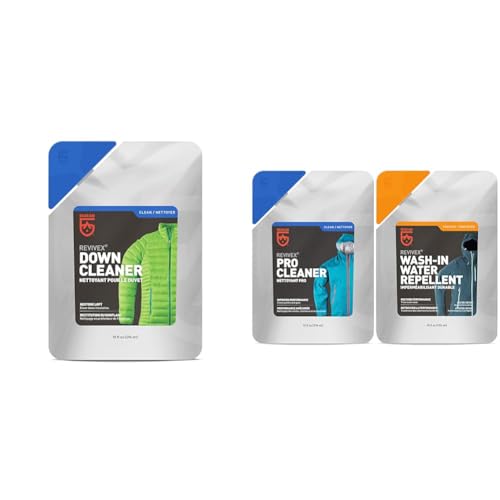
For down-filled gear, select a detergent specifically designed for down feathers or made for technical outerwear. Products labeled “down-safe” or “non-detergent” minimize the risk of damaging insulation.
Key Ingredients to Look For
Avoid detergents containing brighteners, fabric softeners, or harsh chemicals. Instead, look for enzyme-free options that gently clean without stripping natural oils from the down. Eco-friendly formulations are also a good choice, as they tend to be milder on delicate materials.
Washing Tips
Use a small amount of detergent–typically, a quarter of what you would use for regular laundry is sufficient. It’s best to run an extra rinse cycle to ensure all detergent residues are removed. Proper rinsing prevents clumping of down during the drying process.