Caleb Turner

To tackle residue on your wooden pieces, I recommend applying a solution of warm soapy water directly to the affected areas. Use a soft cloth to gently scrub the surface, which helps to weaken the bond of the unwanted material.
If soap and water do not suffice, a mixture of white vinegar and water can enhance your efforts. Combine equal parts in a spray bottle, apply it to the area, and let it sit for a few minutes before wiping it away with a clean cloth.
For stubborn spots, consider using a specialized solvent made for treating adhesives and similar substances. Test this on a hidden area first to ensure it does not damage the finish. Gently apply it with a damp cloth and work in circular motions to lift residue off.


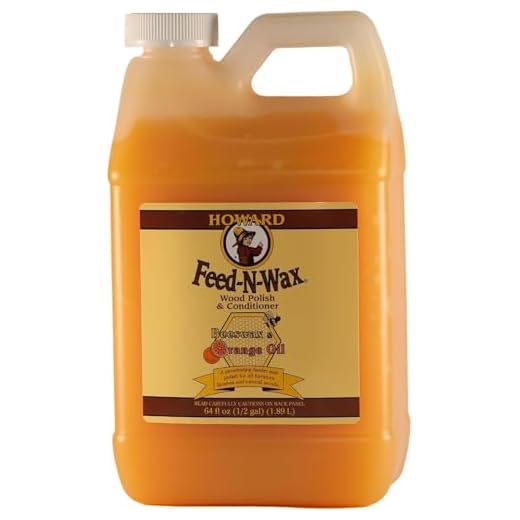
Once the surface is clean, finish with a wood conditioner or polish to restore its luster. This will protect the wood and enhance its appearance, ensuring your pieces look their best.
Identifying Silicone Residue on Wood
Checking for any leftover material involves a simple visual and tactile inspection. Start by examining the surface for a glossy, slippery coating. This shine often indicates the presence of unwanted substances.
Visual Indicators
- Look for areas that reflect light differently than the surrounding surface.
- Notice if there are streaky patterns or smudges that don’t seem to fit the natural grain of the piece.
- Pay attention to sections where dust and dirt seem to accumulate more than elsewhere; this could mean a barrier preventing proper cleaning.
Tactile Examination
- Run your fingers over the surface. A slick feeling suggests a film that may be residue.
- Check for areas that feel distinctly different in texture; smoother patches may signal contamination.
Conducting these checks in various lighting conditions can provide a clearer view of any unwanted film or residue, enabling better assessment for further action.
Gathering Necessary Cleaning Supplies
I recommend collecting the following items to effectively tackle unwanted residues on your wooden surfaces:
1. Mineral spirits or solvents specifically designed for adhesive removal. These are effective in softening unwanted substances for easier cleaning.
2. A clean cloth or sponge for application. Microfiber cloths work best to avoid scratching the surface.
3. A plastic scraper or putty knife. This will help lift off any residue without damaging the underlying wood.
4. Fine-grit sandpaper may be necessary for any remaining stubborn areas, allowing for gentle abrasion.
5. Wood polish or conditioner to restore the surface after cleaning, ensuring the wood remains hydrated and protected.
Having these supplies ready will facilitate an efficient and thorough cleaning process. Prepare them in advance to streamline your efforts.
Applying Heat to Loosen Residue
Utilizing a heat source is an effective technique for loosening stubborn remnants. I use a heat gun or a hairdryer set to low heat for this purpose. I maintain a distance of about six inches from the surface to avoid damage.
I move the heat source in a circular motion, ensuring even distribution of warmth. This helps soften the material without affecting the underlying finish. It usually takes only a few seconds for the material to become pliable.
Once the adhesive exhibits signs of softening, I carefully scrape it with a plastic spatula or an old credit card, applying gentle pressure. This approach minimizes the risk of scratching or denting the surface.
If necessary, I repeat the heating process, focusing on tougher spots, until the residue is adequately loosened. Afterward, I make sure to clean the area thoroughly to get rid of any leftover particles.
Using Solvents for Silicone Removal
I recommend using specific chemical agents to tackle the task effectively. Acetone and mineral spirits are two of the most reliable solvents to dissolve remnants. Apply these agents directly onto the affected surface.
Steps for Effective Application
1. Soak a clean cloth or cotton ball with the chosen solvent.
2. Gently blot the area with the cloth, allowing the solvent to penetrate and break down the material.
3. Wait a few minutes to let the chemical act, then gently scrape with a plastic scraper or a credit card to avoid damaging the finish.
4. Wipe clean with a damp cloth to remove any residue.
Precautions
Ensure adequate ventilation when using these chemicals. Wear gloves to protect your skin, and always test on an inconspicuous area to check for damage or discoloration.
| Solvent | Effectiveness | Safety Notes |
|---|---|---|
| Acetone | Highly effective on most residues | Flammable, use in a well-ventilated area |
| Mineral Spirits | Good for thicker layers | Less flammable but still requires ventilation |
| Rubbing Alcohol | Moderately effective | Lower toxicity but still should be used with care |
Scraping Techniques for Complete Removal
Utilize a plastic scraper or putty knife for gentle scraping of the affected area. Position the blade at a shallow angle, allowing for easy lifting without damaging the underlying surface. Apply even pressure to avoid gouging the wood.
For stubborn bits, consider using a razor blade but handle it cautiously. Always scrape in the direction of the wood grain to maintain its integrity. It’s crucial to work patiently, addressing small sections at a time.
Keep a damp cloth nearby to wipe away loosened particles. This will help to better evaluate the effectiveness of the scraping, ensuring you don’t overlook any residual deposits that may still cling to the surface.
If necessary, alternate scraper tools to find the most effective method for your specific situation. A fine-toothed comb can also be beneficial in reaching crevices where buildup may hide.
After scraping, I recommend using a wood conditioner or polish to restore the finish and luster of the surface, helping to blend any differences left by the scraping process.
Finishing Touches and Wood Care
After ensuring a clean surface is achieved, it’s essential to treat the exposed areas to restore their original appearance and protect against future damage. I recommend applying a suitable wood conditioner or oil to rejuvenate the grain and enhance the rich colors of the material. This not only revives the look but also prevents moisture absorption, which could lead to warping over time.
Choosing the Right Treatment
Select a product that aligns with the type of finish initially applied. Options include Tung oil, Danish oil, or specific wood polish. Always conduct a patch test in an inconspicuous area to verify compatibility before full application. Following the manufacturer’s instructions regarding application methods and drying times is crucial for optimal results.
Long-Term Maintenance
Regular upkeep is key in preserving wood surfaces. Dust frequently with a soft, dry cloth and consider using a damp cloth for deeper cleans. Avoid harsh chemicals or abrasive tools that might scratch the finish. Schedule an annual reapplication of a protective finish to maintain luster and resilience against wear. Additionally, consider placing mats under items that may scratch the surface, such as vases or appliances.
FAQ:
What are the most common methods for removing silicone from wood furniture?
There are several effective methods for removing silicone from wood furniture. One common approach is to use a silicone remover product specifically designed for removing adhesives. Apply it according to the manufacturer’s instructions, usually letting it sit for a short duration to break down the silicone before scraping it off gently with a plastic scraper or cloth. Another method involves using rubbing alcohol or mineral spirits. Dampen a cloth with either substance and rub it on the silicone, allowing it to soften before wiping it away. For less stubborn silicone, a mixture of warm, soapy water may be sufficient. Always remember to test any product on a hidden area first to avoid damaging the finish of your furniture.
How can I prevent damage to the wood finish while removing silicone?
To prevent damage to the wood finish while removing silicone, it is crucial to choose the right tools and substances. Use a plastic scraper rather than a metal one, as metal can scratch the surface of the wood. When using solvents like rubbing alcohol or mineral spirits, apply them sparingly with a soft cloth, and always follow up with a clean, dry cloth to avoid oversaturation. Testing any cleaning agent on a discreet section of the wood before applying it widely is advisable to ensure it does not cause discoloration or harm to the finish. Lastly, consider using a wood conditioner or polish after cleaning to restore moisture and shine to the affected area.
What should I do if the silicone has penetrated deep into the wood?
If silicone has penetrated deep into the wood, removal can be more challenging. Start by trying to soften the silicone with a silicone remover or heat gun, applying it carefully to avoid overheating the wood. Once the silicone is softened, use a plastic scraper to gently lift it out. In cases where the silicone is stubborn or deeply embedded, sanding may be necessary. Use fine-grit sandpaper to carefully sand the area, but ensure to sand along the grain of the wood and not too aggressively, as this can alter the surface texture. After sanding, clean the area thoroughly and apply a suitable wood finish to blend it with the surrounding surfaces.
Are there any household items that can effectively remove silicone from wood?
Yes, several household items can effectively remove silicone from wood. One popular option is vinegar, which can help break down the silicone when applied to the affected area. Soak a cloth in vinegar, place it over the silicone, and let it sit for a while before attempting to scrape it off. Another option is baking soda mixed with water to form a paste. Apply this paste to the silicone, allow it to sit, and then scrub gently with a soft cloth or sponge. Dish soap can also be effective, especially when mixed with warm water to soften the silicone. It is essential to rinse any residues and dry the area properly after using these methods to ensure no moisture is left on the wood.