Caleb Turner
Using a mixture of vinegar and olive oil can breathe new life into worn surfaces. Combine one part vinegar with two parts olive oil, and apply it with a soft cloth, moving in the direction of the grain. This approach not only cleans but also nourishes the material.
If scratches mar the look of your piece, a simple crayon can work wonders. Select a crayon that closely matches the hue of the item. Rub the crayon into the scratch, then gently buff with a cloth to blend it seamlessly.
To combat cloudy or dull finishes, consider employing a commercial product specifically designed for this purpose. Opt for a non-toxic cleaner that will restore that sleek sheen without damaging the surface. Always test on a hidden area first to ensure compatibility.
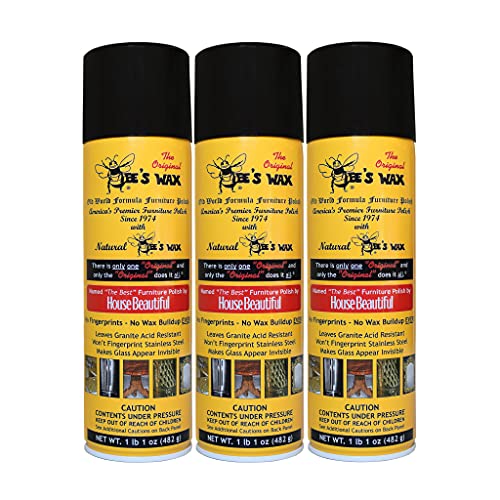
Regular maintenance is key. Dusting with a soft, damp cloth weekly can prevent dirt buildup and preserve the integrity of the design. For added protection, venture into using beeswax-based polish every few months, creating a barrier against daily wear.


Restoration Techniques for Your Beloved Pieces
Begin with a thorough cleaning using a mixture of warm water and mild soap. Apply a soft cloth to remove dirt and grime. Rinse with a clean, damp cloth to eliminate any soap residue.
Surface Repair
For scratches or minor imperfections, utilize a furniture touch-up pen or a wax crayon that matches the wood tone. Gently apply to the affected area, then buff lightly with a soft cloth to blend into surrounding areas. This technique works well on various materials including wood and laminate.
Polishing and Protection
After repairs, I recommend using a quality polish that nourishes the surface. Apply sparingly with a clean cloth and work in the direction of the grain. This step not only enhances appearance but also adds a protective layer against future damage.
| Common Issues | Solutions |
|---|---|
| Scratches | Use a matching touch-up pen or wax crayon. |
| Dullness | Apply wood polish and buff. |
| Watermarks | Use a mixture of equal parts vinegar and olive oil; rub gently. |
Regular maintenance with appropriate products will prolong the life of your cherished items. Apply protective coasters and avoid exposure to direct sunlight to keep surfaces looking fresh.
Assessing the Condition of Furniture Finish
I begin by examining the surface closely for signs of wear, such as scratches, peeling, or discoloration. Lightly running my fingers over the area reveals texture changes; smooth patches indicate a durable coat, while rough areas suggest deterioration.
Next, I utilize a damp cloth to wipe the surface, checking for any residue. If color comes off, it signals that the protective layer has degraded.
I analyze the sheen as well–reflective surfaces generally indicate a strong barrier, while dull areas point to damage. For a transparent look, I use a flashlight at an angle to discern layers more clearly.
Below is a table summarizing common condition indicators:
| Condition Indicator | What It Means |
|---|---|
| Scratches | Possible damage to the protective layer. |
| Peeling | Indicates severe wear; treatment needed. |
| Discoloration | Exposure to sunlight or cleaning products. |
| Dullness | Loss of shine may suggest a need for refreshing the surface. |
| Residue on cloth | A sign the protective layer has worn off. |
Finally, I assess any visible bubbles or blisters, which usually indicate moisture damage beneath the surface. Addressing these signs early prevents further degradation and extends the lifespan of the item.
Choosing the Right Restoration Products
I recommend selecting specialized items designed for specific surfaces. For wooden surfaces, opt for oils, waxes, or polishes that rejuvenate the natural grain without leaving a heavy residue. Look for products that mention compatibility with wood types, especially if dealing with painted or stained pieces.
Evaluating Product Ingredients
Always check the ingredient list. Natural oils, like tung or linseed, protect and enhance the surface’s appearance. Avoid harsh chemicals and solvents that can damage the material. For synthetic finishes, ensure they are labeled as safe for your item’s specific type of finish, whether it be lacquer, varnish, or shellac.
Testing Before Application
Before applying any product extensively, test it on an inconspicuous area. This ensures not only compatibility but also the intended visual effect. Look for quick-drying and low-odor options, which signal user-friendliness and safety during application.
Preparing the Surface for Refinishing
Begin with a thorough cleaning to eliminate dirt, grease, and old polish. Utilize a mixture of warm water and a gentle soap, applying it with a soft cloth. Avoid soaking the wood, as excessive moisture can cause damage.
Next, inspect for any existing damage such as scratches or dents. For minor imperfections, use fine-grit sandpaper (220-grit) to gently smooth these areas. Sand in the direction of the grain, ensuring not to remove too much material. For deeper scratches, consider filling them with a wood filler that matches the color of the piece.
After sanding, wipe the surface with a tack cloth or a slightly damp cloth to remove all dust particles. This step is crucial, as any residue can interfere with adhesion during the application of a new coating.
If the finish is particularly worn or damaged, stripping may be necessary. Apply a paint stripper using a brush, following the manufacturer’s instructions. Once the old coating has softened, use a plastic scraper to gently remove it without scratching the wood. Rinse thoroughly and allow the surface to dry completely.
For surfaces that have previously been varnished or lacquered, consider using a sanding sealer prior to applying a new coat. This helps promote adherence and provides a smoother result.
Ensure adequate ventilation during all steps and protect surrounding areas with drop cloths or newspaper. Proper preparation is key to achieving a lasting and appealing outcome.
Techniques for Stripping Old Finishes
Begin with a quality paint stripper suitable for wood surfaces. I prefer a gel formula since it clings better and reduces drips.
Before application, ensure good ventilation in the workspace. This aids in safety as well as the effectiveness of the product used.
Application Steps
- Use a brush to apply the gel stripper evenly across the surface. Work in sections to manage drying time.
- Allow the product to sit for the recommended duration, usually between 15 to 30 minutes, until bubbles form.
- Utilize a plastic scraper to carefully remove the softened coating. Avoid metal scrapers to prevent damage.
- For stubborn areas, reapply the gel and let it work for a few more minutes.
- Clean the surface with mineral spirits to remove any remaining residue, wiping with a soft cloth.
An alternative approach involves using heat to soften the old layer. A heat gun can effectively strip finishes but requires caution to prevent scorching the wood.
Heat Application Steps
- Hold the heat gun a few inches away from the surface, moving it in a steady motion to avoid overheating.
- As the finish begins to bubble, use a plastic scraper to remove the softened material.
- Continue until the desired area is clear of imperfections. Follow with mineral spirits for thorough cleaning.
Regardless of the method chosen, ensure safety goggles and gloves are worn to protect against harmful chemicals and wood splinters. Always test a small, inconspicuous area to gauge compatibility with the wood before proceeding on larger sections.
Applying New Stains or Paints
Choosing an appropriate stain or paint is paramount. I typically opt for a product that complements the character and style of the piece being worked on.
For applying stains:
- Select a high-quality oil-based or water-based stain based on desired color depth and ease of cleanup.
- Use a clean, lint-free cloth or a brush to apply the stain, moving with the grain of the wood.
- Allow the stain to penetrate for the recommended time before wiping excess product with a clean cloth.
- After drying, assess the color; additional coats can be applied for a darker tone.
- Finish with a clear topcoat to protect the stained surface.
When painting:
- Ensure selection of paint suitable for the surface material, be it latex or oil-based.
- Use a primer if transitioning from a dark to a lighter color or if the surface is previously stained.
- Apply paint with a high-quality brush or roller, adhering to the manufacturer’s instructions for drying times between coats.
- Lightly sand between coats with fine-grit sandpaper for a smoother finish.
- Consider a final coat of sealer for durability, especially on surfaces that will endure wear.
Carefully executing these steps results in a renewed appearance and extended lifespan for any cherished piece.
Sealing and Protecting the New Finish
Apply a high-quality clear coat to safeguard the newly applied surface. I prefer polyurethane for its durability. Opt for either water-based or oil-based formulas based on the desired sheen and ease of application.
Before application, ensure the stained area is completely dry. For best results, lightly sand the surface with fine-grit sandpaper to create a smooth texture and enhance adhesion. Clean the dust with a microfiber cloth.
Use a brush or a foam applicator for even coverage, working in the direction of the grain. For large surfaces, a spray can offer a smoother finish. Multiple thin coats are preferable to a single thick layer, allowing proper drying time between applications–typically 2-4 hours for water-based, 24 hours for oil-based products.
Once the final layer is applied, allow it to cure for at least a week before putting the item back into regular use. This ensures the sealant fully hardens for maximum protection against moisture and wear.
Consider adding felt pads or coasters under items that will rest on the surface to minimize scratches and dents. Regular dusting with a soft cloth will help maintain the appearance, along with occasional reapplication of wax or furniture polish to keep the sheen intact and prolong the life of the coating.
Restoring Gloss and Shine to Furniture
To achieve a glossy surface on wood pieces, consider using a polish or wax specifically formulated for this purpose. Follow these concise steps:
Steps to Achieve a Glossy Finish
- Clean the surface thoroughly. Use a soft cloth and a gentle cleaner to remove dust and grime.
- Apply a layer of beeswax or carnauba wax. These natural products enhance luster and provide a protective barrier.
- Buff with a clean, dry cloth. Circular motions work best to bring out the shine.
- For deeper gloss, consider using a liquid furniture polish. Choose one that matches your wood type.
Tips for Maintaining Shine
- Regular dusting with a microfiber cloth helps maintain the glossy appearance.
- Avoid direct sunlight exposure, which can fade colors and dull the surface.
- Use coasters and placemats to protect against scratches and moisture.
Ultimately, consistency in care plays a significant role in keeping your items radiant and appealing.
Maintaining Restored Finishes Over Time
Regular cleaning with a soft, damp cloth helps prevent dust buildup and scratches. I use a mixture of water and mild soap for general maintenance. I ensure to wring out the cloth to avoid excess moisture, which could damage the surface.
To preserve gloss, I apply a high-quality furniture polish every few months. I prefer a non-wax formula that provides a protective layer without heavy buildup. Lightly buffing with a microfiber cloth enhances shine without affecting the new surface.
Humidity Control
Maintaining a stable humidity level is crucial. I utilize a humidifier or dehumidifier as necessary to keep levels between 30-50%. Sudden changes in humidity can cause expansion and contraction, leading to cracks.
Sunlight Exposure
I avoid placing restored pieces in direct sunlight. Using curtains or UV-filtering window film protects surfaces from fading and discoloration. Regularly rotating the position of items on display minimizes uneven wear.