Caleb Turner

One effective method to deter curious four-legged visitors is to use citrus peels. Cats typically dislike the scent of citrus, so placing lemon, orange, or grapefruit skins around my seating area can create an unwelcoming environment. Regularly refreshing these peels ensures their potent aroma persists, making it less appealing for the furry intruders.
Another approach involves utilizing textured surfaces. Covering the seats with materials such as double-sided tape or aluminum foil can create discomfort for any cat attempting to nap or play. These textures can effectively dissuade them from returning, as they prefer smooth and soft surfaces.
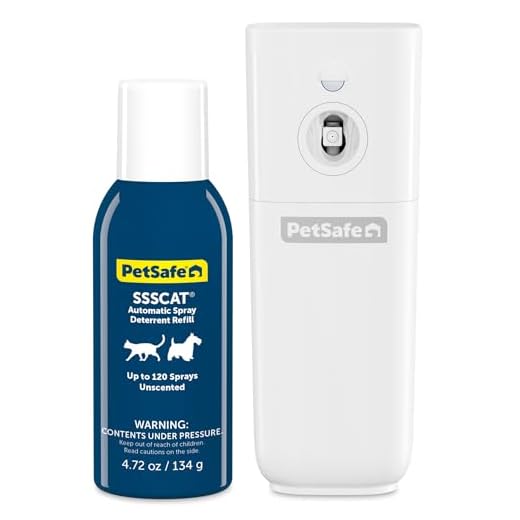
Additionally, I found that motion-activated devices are extremely useful. These devices emit a harmless burst of air or sound whenever they detect movement, startling the adventurous creatures and teaching them to associate my space with an unexpected surprise.
Lastly, introducing non-toxic deterrent sprays, which contain scents that are naturally aversive to these animals, can prevent them from lingering. Applying a light mist of these sprays on my outdoor spaces helps in maintaining a cat-free zone while ensuring that my environment remains safe and inviting for my own use.

Understanding Feline Behavior and Attraction to Outdoor Surfaces
To deter unwanted visitors from lounging on outdoor seating, it’s essential to grasp why these creatures are drawn to certain areas. The appeal of soft, cushioned surfaces is instinctual, as they offer warmth and comfort. Moreover, the natural inclination to perch increases their sense of security while surveying their surroundings.

Common Attractions
- Texture: Soft materials are inviting for scratching and kneading.
- Height: Elevated platforms provide a vantage point for observation.
- Scents: Outdoor smells, including those from food or other animals, can be enticing.
- Warmth: Sunlit cushions can create a cozy resting spot.
Behavioral Insights
Recognizing their playful nature is crucial. They often see areas as a playground, where they can explore and interact with surroundings. Additionally, scents from humans can create a sense of curiosity, prompting further investigation.
By understanding these behavioral patterns and attractions, I can implement strategic changes to dissuade them from frequenting the area. Adjusting environmental factors will not only protect my belongings but also create a less inviting scenario for these inquisitive creatures.
Choosing the Right Deterrents for Your Outdoor Space
Utilizing natural repellents is a straightforward way to dissuade unwanted visitors. Citronella, lemon, and eucalyptus oils can be effective. Dilute these oils with water and spray the area regularly. The strong scents tend to repel, creating a barrier that discourages entry.
Physical Barriers
Installing mesh netting or chicken wire can block access without affecting your outdoor aesthetics. It’s essential to cover areas where climbing may occur. Ensure the barrier is installed deep enough into the ground to prevent digging; this method provides a robust defense without harm.
Ultrasonic Devices and Motion Sensors
Investing in ultrasonic devices offers a modern solution. These devices emit a high-frequency sound that is unpleasant for animals but inaudible to humans. Pairing them with motion sensors can enhance effectiveness, activating only when movement is detected.
| Deterrent Type | Effectiveness | Pros | Cons |
|---|---|---|---|
| Natural Repellents | Moderate | Eco-friendly, easy to apply | Needs frequent reapplication |
| Physical Barriers | High | Long-term solution, durable | May alter the appearance of space |
| Ultrasonic Devices | High | Automated, humane | May not work on all animals |
Using a combination of these methods often yields the best results. I prefer customizing approaches based on my environment and the behavior of frequent intruders. A multi-faceted strategy reduces the likelihood of persistent issues while maintaining the enjoyment of my outdoor areas.
Using Scents that Cats Dislike
I recommend utilizing citrus scents, as many felines find them repulsive. Spritzing a mixture of water and lemon or orange essential oil around the area can create an unwelcoming environment for any inquisitive animals.
Another effective option is vinegar. Its strong aroma can deter unwanted visitors. A diluted vinegar solution can be applied to surfaces or placed in bowls nearby to create a barrier of scent.
Herbs like rosemary, lavender, and peppermint are also unappealing to many felids. You can try planting these in pots or using their essential oils to create a natural deterrent. Sprinkling dried versions around your space can amplify this effect.
Commercial deterrent sprays that contain these scents are available. Choosing one of these products may offer a more straightforward application method while providing a stronger concentration of the odors that deter curious animals.
It’s essential to reapply these scents regularly, especially after rain or heavy wind, to ensure the efficacy of your strategy. Creating a routinely refreshed scent barrier will strengthen your approach against persistent visitors.
Creating Physical Barriers to Prevent Access
I recommend employing tall planters or decorative screens to obstruct pathways leading to seating areas. Strategically placing these obstructive elements can deter approach without compromising aesthetics.
<pInstalling a sturdy lattice around the perimeter can create a visual and physical boundary. This addition is practical and enhances privacy while making it less inviting for intruders. Ensure the lattice is high enough to prevent jumping over.
Consider using outdoor netting or mesh fabric draped over furniture. This method disallows access while remaining unobtrusive. Make sure the material is durable, weather-resistant, and easily removable for occasions when usage is required.
Fencing with specific heights and configurations can effectively shield outdoor lounges. A mix of solid and opaque sections can disrupt visibility and create a deterrent. Remember to align the design with your garden’s theme.
Utilize motion-activated devices such as sprinklers that deploy water when triggered. This unexpected response discourages unwelcome visitors, while keeping your outdoor space refreshed. Position these strategically to cover the target areas adequately.
Setting Up Motion-Activated Devices
I recommend installing motion-activated devices, such as sprinklers or ultrasonic repellers, to deter unwanted visitors. These gadgets activate when they detect movement, providing a sudden surprise that discourages return visits.
For sprinklers, choose models that are sensitive enough to activate with small movements. Position the sprinkler near areas frequently explored. This sudden burst of water will startle and condition the animal to avoid future visits.
Ultrasonic devices emit high-frequency sounds unpleasant to creatures, but quiet to humans. Select a model with adjustable sensitivity and volume, allowing customization based on the outdoor environment. Proper placement is critical; ensure the device is aimed toward entry points commonly used by the animal.
Consider combining multiple systems for enhanced deterrent effects. This approach not only diversifies the strategy but also increases the likelihood of success. Regularly check and maintain the devices to ensure they remain functional and effective.
Selecting Cat-Repellent Sprays and Products
Opt for sprays that contain natural ingredients such as citrus or eucalyptus, as these scents are known to deter felines. Look for products labeled as safe for outdoor use to avoid harming the environment.
Consider the following when selecting repellents:
- Active Ingredients: Research products with citronella, rosemary, or vinegar; these are typically effective and safe.
- Residue: Choose sprays that are non-staining and won’t leave marks on surfaces; this is especially important for maintaining cleanliness.
- Longevity: Review customer feedback regarding how long a product remains effective after application.
- Application Method: Use options that can be easily sprayed without excessive effort; some come in convenient spray bottles.
- Reapplication Frequency: Understand how often you’ll need to reapply the product, especially after rain or cleaning.
Additionally, explore granular repellents that can be spread around outdoor areas. These often need less frequent application and can be effective in creating a barrier.
Ultimately, I suggest trying a combination of sprays and granules for enhanced results. Track effectiveness by noting changes in behavior over time, adjusting approaches as necessary.
Communicating with Your Neighbors About the Issue
Approach the discussion calmly and respectfully to establish a cooperative tone. Arrange a time to chat face-to-face, fostering a more personal connection than written communication can provide. Start by expressing your appreciation for their pet and how much joy it brings to the neighborhood.
Shift the focus to your concerns without placing blame. Clearly articulate how their feline companion has been using your outdoor space, affecting its condition and your enjoyment. I found it helpful to mention specific incidents or damage to emphasize the issue without sounding accusatory.
Offering Solutions Together
Suggest potential solutions, such as working together to create boundaries or exploring ways to deter the behavior. This collaborative approach shows that you’re open to compromise and interested in a harmonious neighborhood environment. You might propose that they keep their furry friend indoors during specific hours or consider alternatives that serve both your needs.
Follow-Up Communication
After the initial conversation, check in after a few days to gauge their response. Reiterate your appreciation for their understanding and willingness to address the matter. Maintaining open lines of communication can prevent misunderstandings and promote a friendly relationship long-term.
Maintaining a Cat-Free Patio Year-Round
Regular maintenance of outdoor spaces plays a crucial role in deterring unwanted visitors. I consistently keep my area clean and remove any inviting items, such as cushions or blankets, that may attract curious animals. This minimizes the temptation for those furry creatures to lounge around.
Seasonal Adjustments
During colder months, I ensure that any heating sources or cozy spots are well covered or switched off. I also opt for outdoor furniture covers that are resistant to scratches and bites. When warm weather approaches, I regularly rearrange the layout of my lounge area; changing the setup can disrupt any established habits the local pets may have.
Consistent Monitoring
Establishing a routine for checking my outdoor surroundings has proven beneficial. I observe the area at different times of the day and proactively address any signs of intrusion, such as paw prints or displaced items. By being vigilant, I can implement deterrents promptly and maintain a serene environment.
FAQ:
How can I prevent my neighbor’s cat from climbing onto my patio furniture?
One effective way to keep a neighbor’s cat off your patio furniture is to use physical barriers. Install a mesh or netting around the seating area to block access. You could also try placing garden furniture covers when the furniture is not in use, making it less appealing for the cat to jump on. Adding citrus peels or vinegar-soaked cloths can deter cats since they dislike these scents.
What scents can repel cats and how can I use them?
Cats are often deterred by certain scents. For example, citrus fragrances are known to keep cats away. You can use citrus peels from oranges, lemons, or limes around your patio furniture. Alternatively, you can use commercial cat repellent sprays that feature scents like lavender or peppermint. Simply spraying these around the furniture or applying the peels can help keep the cat at bay.
Are there any specific plants that can help keep cats away from my patio?
Yes, there are several plants that can deter cats. Consider planting lavender, rosemary, or rue around your patio area. Cats typically dislike the smell of these herbs. Additionally, you might create a small garden space with these plants; this can also beautify your patio while serving the purpose of repelling feline visitors.
Is it effective to use a motion-activated sprinkler to keep cats off my furniture?
Using a motion-activated sprinkler is quite effective in deterring cats. When the sprinkler detects motion, it sprays a burst of water, which surprises the cat. This can condition the cat to avoid your patio area in the future. Be mindful to position it carefully to only activate when a cat approaches.
What can I do if my neighbor’s cat continues to come onto my patio despite my efforts?
If efforts to deter the cat are unsuccessful, it might be helpful to have a friendly discussion with your neighbor. Let them know about the problem and work together to find a solution. You can suggest they keep their cat indoors more often or provide alternative outdoor options for their cat that are more designated to their yard. Open dialogue can often lead to effective resolutions.
What are some natural deterrents I can use to keep my neighbor’s cat off my patio furniture?
There are several natural deterrents that can effectively discourage your neighbor’s cat from lounging on your patio furniture. One option is to use citrus peels, as many cats dislike the scent of citrus. Placing orange or lemon peels around the furniture may help keep the cat away. Another method is to use a mixture of water and vinegar, spraying it lightly on the furniture; the smell can be unappealing to cats. Additionally, you can consider placing double-sided tape or aluminum foil on the furniture, as cats tend to dislike the texture under their paws. Lastly, planting cat-repelling herbs such as lavender or rosemary around your patio area can create a barrier without harming the cat.
Are there any commercial products that can help prevent a cat from using my patio furniture?
Yes, there are several commercial products designed to deter cats from specific areas, including patio furniture. One popular option is pet-safe sprays that contain ingredients like citronella or lemongrass, which cats generally find unpleasant. You can also find motion-activated devices that emit a sound or a burst of air when they detect movement nearby. Another option is using anti-scratch mats or pads that are placed on your furniture to create an unwelcoming surface for the cat. Additionally, consider purchasing cat repellent granules that can be sprinkled in the area, offering a non-invasive way to keep the cat away while being safe for both pets and humans. Always check that any product you choose is safe around animals and plants.