
 Caleb Turner

Investing in quality seating meant for external environments requires a strategic approach to shielding from rain and UV exposure. Begin by selecting an appropriate sealant specifically designed for the material of your choice, be it wood, metal, or synthetic variations. Look for a product that provides a strong barrier against moisture while allowing the material to breathe.
Once you have your sealant, ensure that surfaces are clean and dry before application. Using a brush or sprayer, apply the protective coating evenly, paying close attention to joints and seams where moisture might infiltrate. For wooden pieces, multiple coats may be necessary to achieve optimal protection; allow each layer to dry thoroughly before proceeding.
In addition, consider dressing your seating with custom covers designed to fit snugly and resist wind. These covers serve as an extra shield against dust, debris, and moisture, prolonging the lifespan of your investments. For maximum protection, remove cushions and store them in a dry area during inclement weather.
Regular maintenance is key. Routinely check the condition of your protective coatings and covers, and reapply sealants as needed to ensure ongoing defense against the elements. This proactive approach will guarantee that your external seating remains in excellent condition for many seasons to come.
Protecting Outdoor Furnishings Against the Elements
Applying a high-quality sealant specifically for exterior applications is crucial. Select a product designed to repel moisture and resist UV damage. Ensure all surfaces are clean and dry before application; this will enhance adhesion and longevity. A thin, even coat is optimal to prevent drips and pooling.
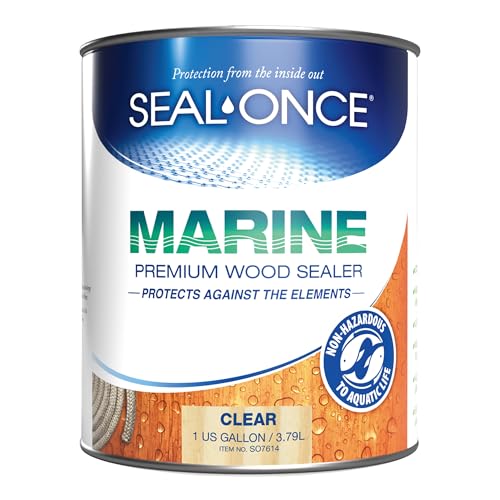


Choosing the right materials can make a significant difference. Opt for woods like teak, cedar, or redwood, which have natural oils that offer resistance to decay. For metal frames, consider aluminum or coated steel that won’t rust over time. When possible, select UV-resistant fabrics for cushions that can withstand prolonged exposure to sunlight.
Regular maintenance helps prolong the lifespan of your items. Clean surfaces every few months to prevent dirt buildup and use fabric protectors on cushions that repel water and stains. Store items indoors during extreme weather conditions, or cover them with breathable tarps or covers to shield them from rain and snow.
Incorporating finishes such as varnishes or paints can further enhance protection. Look for products labeled as waterproof or specifically formulated for outdoor application. Reapply these treatments annually to ensure continued efficacy and appearance.
Selecting the Right Materials for Outdoor Furniture
I recommend choosing teak or eucalyptus for wooden pieces. These woods have a natural oil content that helps resist moisture and decay, making them suitable for various weather conditions.
Aluminum is a solid option for metal constructions. It’s lightweight, rust-resistant, and easy to maintain. Opt for powder-coated finishes to add extra protection against the elements.
Wicker alternatives, such as high-density polyethylene (HDPE), provide a stylish yet durable choice. This material mimics natural wicker’s look while being UV-resistant and easy to clean.
For cushions, select fabrics designed for outdoor conditions, like solution-dyed acrylics or polyester blends. These materials resist fading and mildew, maintaining color and integrity over time.
When considering glass, tempered glass is the safest and most durable option. It withstands temperature changes and provides a chic aesthetic.
Lastly, explore composite materials that combine wood fibers and plastic. They offer durability and require minimal maintenance, suitable for various climates.
Preparing Wood Surfaces for Weather Protection
Thoroughly clean the wood prior to applying any protective coating. I employ a mixture of mild soap and water, using a soft brush to eliminate dirt, mildew, and contaminants. Rinse the surface with clean water and allow it to dry completely for at least 24 hours.
Once dried, take time to inspect for imperfections. Sand any rough spots with medium-grit sandpaper, then finish with fine-grit paper to achieve a smooth texture. This promotes better adhesion of the protective sealant.
After sanding, remove dust with a vacuum or a damp cloth to ensure the surface is free from debris. It’s critical to allow the wood to acclimate to the environment, ideally waiting a day or two if the wood has been stored indoors.
For porous woods, a wood conditioner can be beneficial. I recommend applying it following the manufacturer’s instructions to improve penetration of subsequent protective layers.
Select a sealant suitable for exterior applications–this can include oil-based or water-based options. Consult the product label to confirm compatibility with the wood species.
Apply the protective layer using a brush, roller, or spray. I prefer a brush for detailed areas and a roller for larger surfaces. Follow the recommended drying time before applying a second coat to maximize durability.
| Step | Details |
|---|---|
| 1. Clean | Use soap and water, soft brush, rinse, dry. |
| 2. Inspect | Check for imperfections, sand rough spots. |
| 3. Remove Dust | Vacuum or wipe down with a damp cloth. |
| 4. Use Conditioner | Apply if recommended for porous wood. |
| 5. Select Sealant | Choose based on wood type and external conditions. |
| 6. Apply Sealant | Use appropriate tools, allow for drying time. |
Applying Water-Repellent Sealants Properly
Always select a high-quality sealant specifically designed for exterior applications. This ensures maximum protection against moisture. Prior to application, thoroughly clean the surface to remove any dirt, grime, or previous coatings that might hinder adhesion.
Once the surface is dry, apply the sealant using a brush or roller for even coverage. Start from one end and work your way to the other, ensuring you coat all crevices. Pay attention to joints and edges where water is likely to accumulate. Two coats are often recommended for optimal durability; allow sufficient drying time between applications according to the manufacturer’s instructions.
Testing and Maintenance
After application, assess the effectiveness of the sealant by sprinkling water on the surface. If the water beads up, the sealant is functioning as intended. Regularly inspect the finish for signs of wear or damage and reapply as necessary to maintain protection.
Tools and Safety Precautions
Utilize a clean brush and a paint roller to achieve an even finish. Wear gloves and safety glasses to protect your skin and eyes during the process. Ensure proper ventilation in enclosed areas to avoid inhaling fumes. Storing leftover sealant properly can also extend its usability for future projects.
Choosing Durable Fabrics for Outdoor Cushions
I recommend selecting fabrics specifically designed to resist fading from UV rays and repelling water. Look for solutions like solution-dyed acrylic, which offers excellent color retention and durability.
Key characteristics to consider:
- Water Resistance: Opt for materials treated with waterproof finishes to prevent mold and mildew. Fabrics like olefin provide superb resistance to moisture and drying time.
- Fade Resistance: Examine fabric labels for UV protection ratings. Fabrics labeled with “colorfast” or with a high rating ensure they won’t lose their luster over time.
- Breathability: Choose breathable textiles. They allow moisture vapor to escape, reducing the chance of condensation build-up, which can lead to discomfort and odor.
- Easy Maintenance: Fabrics that can be easily cleaned or are machine washable can save time and effort. Check if the fabric can withstand regular cleaning without losing integrity.
Additionally, consider the weave type; tightly woven materials typically offer better protection against wear. Fabrics with a tight weave are often more resistant to stains and punctures.
Lastly, test samples in real conditions. Place swatches in your environment to observe how they react to sunlight, moisture, and wear over time. This practical approach can significantly inform your final choice.
Implementing Regular Maintenance Routines
I focus on establishing a consistent upkeep schedule that includes checking pieces every few months, particularly before seasonal changes. This practice keeps items in prime condition and identifies damage early.
- Inspection: I examine surfaces for cracks, peeling, and signs of wear. Early detection prevents further deterioration.
- Cleaning: I use a mixture of mild soap and water to clean surfaces, ensuring no dirt or debris remains that could lead to damage.
- Reapplication: I reapply protective coatings or sealants as recommended by the manufacturer, typically once or twice a year, depending on environmental exposure.
- Fabric Checks: I inspect cushions and textile elements for fading or fraying, replacing or repairing as necessary.
- Storage: During extreme weather conditions, I store items indoors or cover them with breathable covers to protect against moisture buildup.
Documentation of maintenance performed helps me track what has been completed and when, which informs future actions and ensures longevity.
Regular attention to these aspects minimizes future repair costs and keeps everything looking pristine throughout the seasons.
Storing Items During Harsh Weather Conditions
To protect your belongings from severe conditions, find a dry, shaded spot away from direct sunlight. Ensure that furniture is clean and dry before storage to prevent mold and mildew growth.
If possible, disassemble larger pieces to save space and reduce the risk of damage. Use breathable covers to shield against dust and moisture while allowing air circulation.
For added protection, place items on pallets or a tarp. This prevents direct contact with the ground, avoiding moisture absorption. Keep an inventory list of stored pieces, so you can easily locate them when needed.
Consider utilizing indoor spaces like garages, basements, or sheds. If these aren’t options, invest in high-quality tarps or weather-resistant storage units that can withstand fluctuating temperatures and precipitation.
During storage, periodically check on items to ensure they remain in good shape and address any issues before they escalate.


