
 Caleb Turner

Begin with a thorough vacuuming to remove loose dirt and dust. I find using an upholstery attachment is the best way to reach into crevices and seams without damaging the surface. Pay special attention to areas that receive heavy use, where particles tend to accumulate.
Next, identify the type of material you are dealing with. Always check the manufacturer’s label for specific cleaning instructions. For most items, a mild fabric cleaner mixed with water works well. I prefer testing the solution on a hidden area first to make sure there’s no adverse reaction.
For spot treatments, use a soft cloth or sponge and apply the cleaner gently. Blot the stain, avoiding excessive rubbing that can damage the fibers. After treating the spots, wipe down the entire surface with a damp cloth to remove any residue from cleaning agents.
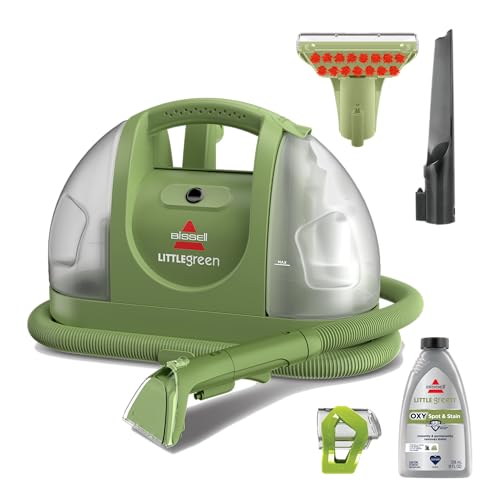


Finally, allow the fabric to air dry completely. I often place a fan nearby to facilitate this process, ensuring no mildew develops. Regular maintenance can greatly extend the lifespan of these surfaces, keeping them looking fresh and inviting.
Steps for Cleaning Upholstery
Begin with a thorough vacuuming to eliminate dust and debris from the surface. Utilize an upholstery attachment to ensure you reach crevices where dirt accumulates.
Next, assess the type of textile to choose the appropriate cleaning method. For water-safe materials, I create a solution of mild detergent and lukewarm water. Test it on an inconspicuous area before applying it to the entire piece.
Using a clean cloth or sponge, I gently blot the area without rubbing to prevent damage. If stains are present, I treat them with a commercial spot cleaner suitable for the specific material.
After cleaning, I dampen a fresh cloth with plain water to remove any soapy residue, ensuring I do not oversaturate the surface.
To finish, I allow the item to air dry completely. If necessary, I use a soft brush to restore the texture once it’s dry. Regular maintenance includes vacuuming every month and addressing spills promptly to maintain the quality of the upholstery.
Identify the Fabric Type Before Cleaning
I always check the label to determine the material composition. Common types include cotton, polyester, and linen, each requiring specific care techniques. For stained upholstery, knowing if it’s natural or synthetic impacts my cleaning approach.
Cotton can generally be treated with water-based solutions, while synthetic blends might benefit from chemical cleaners. Velvet and silk, however, usually require professional care due to their delicate nature.
I conduct a simple water test: a small drop on an inconspicuous area helps assess water resistance and compatibility with cleaning methods. If the water beads, it indicates a protective coating; if it absorbs, more caution is necessary.
I also consider the texture. Abrasive methods on plush or delicate surfaces can lead to damage. When in doubt, I consult manufacturers’ recommendations or seek advice from professionals specializing in upholstery care.
Gather Necessary Cleaning Supplies
Before initiating the cleaning process, I ensure I have the following items at hand:
- Mild detergent: Opt for a gentle formula free from harsh chemicals. A few drops in warm water will suffice for most materials.
- White vinegar: This natural cleaner acts effectively against stains and odors. A diluted solution can enhance the cleaning mix.
- Baking soda: Perfect for tackling tough stains. It can be sprinkled directly on the spot or mixed with water to form a paste.
- Soft cloths: Microfiber cloths are ideal as they do not leave lint and are gentle on surfaces.
- Sponges: A non-abrasive sponge can help apply cleaners without damaging the surface.
- Bucket: A clean container to mix solutions and hold water during the cleaning procedure.
- Vacuum cleaner: Ensure to have an attachment for fabric to remove dust and debris prior to cleaning.
- Brush: A soft-bristle brush assists in loosening soil from the material without causing harm.
With these supplies assembled, I feel prepared to tackle the task effectively. Each item plays a pivotal role in ensuring optimal results.
Perform a Spot Test on a Hidden Area
I always begin by selecting an inconspicuous spot on the item, such as the underside of a cushion or a back seam. This ensures that any adverse reactions remain unnoticed. I apply a small amount of the cleaning solution to the area using a clean, white cloth. This choice of fabric prevents color transfer that could skew results.
After dabbing the solution, I allow it to sit for a few minutes. Then, I gently blot the area with a separate cloth. Observing for color fading, staining, or texture changes is crucial. If no negative effects are evident, I confidently proceed with cleaning the rest of the piece. If issues arise, I either adjust the cleaning method or choose a different product altogether.
Use the Right Cleaning Method for the Fabric
Selecting the correct technique based on the material’s properties is critical. For synthetic blends such as polyester, I prefer a mild detergent mixed with water for an effective clean. Avoid soaking; use a damp cloth to gently scrub the surface, removing dirt without compromising the fibers.
Delicate Textiles
When dealing with silk or velvet, I opt for dry cleaning methods. For minor stains, using a soft brush or a specialized upholstery cleaner suited for these materials works well. It prevents damage and maintains the fabric’s sheen.
Natural Fibers
Cotton and linen can tolerate water better. I usually create a solution of warm water and a few drops of a gentle soap. After applying with a cloth, rinsing the area with a damp cloth ensures that no soap residue is left behind, preserving texture and color.
Prepare a Cleaning Solution with Safe Ingredients
I recommend creating a cleaning mixture using natural products to ensure safety and effectiveness. Here’s a simple formula:
- Vinegar Solution: Mix equal parts of white vinegar and water. This combination works well for removing stains and odors.
- Baking Soda Paste: Combine baking soda with a small amount of water to form a thick paste. This paste is excellent for tackling tough stains.
- Mild Soap Solution: Use a few drops of mild dish soap in a bowl of warm water. This can lift dirt and grime without damaging surfaces.
For optimal results, I recommend the following steps:
- Choose your preferred cleaning solution based on the type of stain or dirt.
- Mix ingredients thoroughly before applying to ensure even consistency.
- Test the solution on a small, inconspicuous area first to check for any adverse reactions.
These ingredients are safe for most surfaces and typically effective in cleaning. Always remember to rinse the area with clean water after application to remove any residue left behind.
Apply Cleaning Solution with Appropriate Tools
To achieve optimal results, I apply the cleaning solution using specialized tools designed for the task. A microfiber cloth or sponge is my go-to for most situations, as these materials lift dirt without scratching surfaces. For textured or stubborn stains, a soft-bristle brush can effectively penetrate crevices without damaging the underlying material.
Steps to Apply the Solution
- Moisten the cloth or sponge with the prepared cleaning mixture–avoid soaking it to prevent oversaturation.
- Gently blot the stained area, focusing on one spot at a time. This method prevents spreading the stain.
- If necessary, use the brush for deeper areas, always moving in the direction of the weave or pattern.
- Continue to work in small sections until the entire area is addressed.
Finishing Touches
After application, I use a clean, dry microfiber cloth to blot up any excess solution. This step helps to remove residue and ensures nothing is left behind that could attract more dirt. Finally, I allow the material to air dry completely before using it again, ensuring no moisture remains to create mildew or odors.
Rinse and Dry the Material Properly
To effectively remove cleaning agents and residues, ensure thorough rinsing with clean water. Using a damp cloth, gently wipe the surface until all soap is eliminated. Avoid soaking the upholstery; a light touch will suffice to keep moisture levels in check.
Drying Techniques
After rinsing, drying is crucial to prevent any potential mold development. Utilize the following methods:
| Method | Details |
|---|---|
| Air Dry | Position the item in a well-ventilated area. Ensure it is not placed in direct sunlight to avoid fading. |
| Fan Use | Employ a fan to expedite the drying process. Place it at a distance to maintain airflow without causing damage. |
| Vacuum with Brush Attachment | Using a vacuum with a brush attachment can help lift dampness and restore texture. |
Verify that the piece is entirely dry before using it again, as any remaining moisture might lead to discomfort or unpleasant odors.
Maintain Your Upholstery Post-Cleaning
After cleaning, the next step involves proper maintenance to prolong the lifespan of your upholstered items. Start by applying a fabric protector. This creates a barrier against stains and spills, making future clean-ups simpler. Ensure that the protective spray is designed for your specific type of material.
Regular vacuuming is essential. Use a soft brush attachment to gently remove dust and debris from the surface and crevices, which can wear down fibers over time. Aim to vacuum at least once a week or more frequently in high-traffic areas.
Avoid Direct Sunlight
Keeping your furniture out of direct sunlight helps prevent fading and deterioration. If repositioning isn’t an option, consider using sheer curtains or window treatments to filter light.
Refresh and Rotate Cushions
For items with removable cushions, rotate and flip them periodically to ensure even wear. This technique helps maintain shape and comfort while reducing the likelihood of imprints from regular use.
Regularly inspect for any signs of wear or damage. Early detection allows for repair or treatment before issues worsen. If you spot any problem areas, address them promptly to maintain the overall look and feel of your upholstery.


