
 Caleb Turner
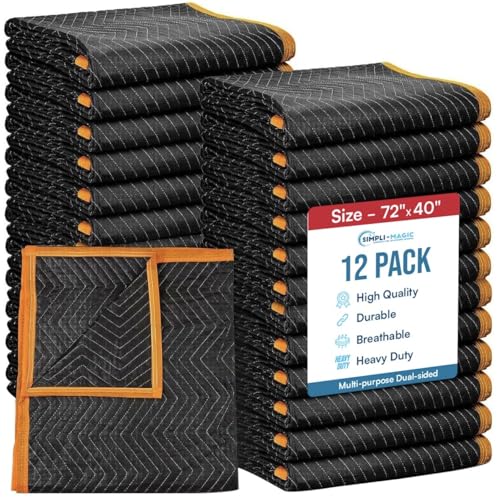
First, gather essential materials: sturdy cardboard boxes, bubble wrap, moving blankets, and packing tape. These will protect your belongings during transit and prevent any damage. Make sure to measure your items accurately; this helps in determining the best shipping method and prevents surprises at pick-up or delivery.
Next, consider hiring a reliable moving company or freight service that specializes in long-distance transport. Research reviews and ask for quotes to find the best option. Some carriers offer tracking services, which provide peace of mind during the delivery process.
If you prefer a DIY approach, renting a trailer or truck can be a cost-effective solution. Ensure your vehicle has sufficient capacity and is equipped to handle larger loads. Plan your route well, taking into account rest stops and potential delays.
Finally, label each box clearly and keep an inventory list to track everything. This step simplifies the unloading process and ensures that nothing gets lost along the way. With careful preparation, transporting your belongings can be a smooth and successful experience.
Tips for Transporting Your Belongings Nationwide
Choose a reliable company that specializes in transporting large items. Look for reviews and ratings to ensure their credibility.


Once you have selected a transporter, measure all dimensions of your item. Accurate dimensions allow for better planning and can prevent surprises with space requirements.
Disassemble wherever possible. This can save space and reduce the risk of damage during transport. Keep all screws and small parts organized in labeled bags.
Use protective materials. Bubble wrap, moving blankets, and sturdy boxes provide essential cushioning. Invest in good packing supplies to minimize potential damage.
Consider purchasing insurance for additional protection. This provides peace of mind in case of unforeseen circumstances or damages.
Schedule pickup and ensure someone is available to oversee the loading process. This step guarantees that your belongings are handled properly and securely loaded.
Confirm delivery options. Understand the timeline and any potential delays your shipment may encounter. Regular communication with the transportation company helps manage expectations.
After arrival, inspect your belongings immediately. Report any damages right away to facilitate claims with the insurance provider.
Utilize local resources for additional assistance, such as community groups or forums. Knowledge from others who have experience can provide valuable insights.
Choosing the Right Shipping Method for Your Furniture
Selecting an appropriate transportation option is key. I typically evaluate several factors, including the item’s size, weight, and fragility. For oversized or heavy items, a freight service is often ideal. These providers specialize in large goods and can handle both loading and unloading.
Budget Considerations
When I’m on a budget, I compare quotes from multiple carriers. Some companies offer flat rates for specific items, while others may charge based on distance and service level. I ensure to check for hidden fees, like fuel surcharges or additional handling costs. It’s wise to factor in insurance options as well; this can safeguard against potential damage during transport.
Delivery Options
I also assess delivery methods. White-glove services include assembly and placement in my desired location, which is beneficial for heavy or intricate items. Alternatively, curbside delivery can reduce costs but requires me to manage the final placement myself. Understanding my needs helps in making this decision.
Preparing Your Furniture for the Move
Remove any loose parts. Take out drawers, cushions, and any separate components that can be detached. This reduces weight and minimizes the risk of damage during transport.
Clean items thoroughly. Dust and wipe surfaces to avoid dirt and grime accumulation in transit. For wooden structures, consider using a suitable polish for better protection.
Wrap surfaces with bubble wrap or moving blankets. This adds a layer of cushioning, preventing scratches and dents. Secure with tape, ensuring that the wrapping remains intact during handling.
Disassemble larger structures. For items like beds or tables, take them apart whenever possible. This makes them easier to maneuver and prevents potential breakage.
Label each component and its corresponding parts. Use markers or labels to indicate what goes together, making reassembly straightforward once you’ve arrived at your destination.
Choose high-quality packing materials for fragile pieces. Utilize sturdy boxes or crates, ensuring that everything is appropriately cushioned within. Double-check that nothing shifts during movement.
Consider climate during transit. If the journey involves extreme temperatures, ensure materials can withstand conditions without warping or damage.
Lastly, document the condition of your belongings before transport. Take photos to have a reference should any issues arise, protecting your investment effectively.
Calculating Shipping Costs and Comparing Quotes
To determine the total cost of moving your item, consider several factors: dimensions, weight, distance, and type of service. Begin by measuring the item’s size and weight accurately to ensure precise quotes from carriers.
Factors Influencing Costs
The main elements that influence pricing include:
- Distance between origin and destination
- Weight and size of the item
- Preferred service level (standard, expedited, or white-glove)
- Insurance coverage options
- Special handling requirements
Gathering and Comparing Quotes
Once you have the necessary details, obtain quotes from multiple carriers to find the best deal. Here’s an effective approach:
- Visit websites of various transportation companies.
- Input dimensions, weight, and destination details in their quote calculators.
- Request a breakdown of costs and services offered.
After collecting data, create a comparison table to evaluate different options effectively:
| Carrier | Cost | Delivery Time | Insurance | Special Features |
|---|---|---|---|---|
| Carrier A | $200 | 5-7 days | Included up to $500 | White-glove service |
| Carrier B | $150 | 7-10 days | Available for purchase | Standard delivery |
| Carrier C | $180 | 4-6 days | Included up to $1,000 | Expedited service |
After reviewing the table, you can make an informed decision based on costs and services aligned with your needs. Always verify company reviews and customer feedback for added assurance before finalizing your choice.
Understanding Insurance Options for Furniture Shipping
Choosing coverage is crucial for protecting your belongings during transportation. I recommend checking the insurance policies offered by the shipping company. Many carriers provide basic coverage that typically only reimburses a fraction of the item’s value. Always inquire about additional insurance options that can cover full replacement costs.
Types of Coverage
Broadly, there are two main insurance types: released value and full value. Released value is often included at no extra cost, but it compensates only a set amount per pound. Full value coverage provides a much higher payout, ensuring you’re compensated for the entire value in case of damage or loss. Reviewing both options will help you assess which suits your needs better.
Documentation and Claims Process
Documentation is essential when filing a claim. Take photographs of your items before pickup, noting existing damages, if any. Retaining receipts and any inventory lists can also support your claim. I suggest contacting customer service for specific claim procedures as policies vary. Filing promptly is important, as delays may complicate compensation efforts.
Tracking Your Shipment and Handling Delays
I recommend using a reliable tracking system offered by your chosen carrier. Most companies provide real-time updates via website portals or mobile applications. These tools allow you to monitor the status of your cargo, see estimated delivery times, and receive alerts about any changes.
Proactive Communication
Establish direct lines of communication with the shipping provider. If you notice any discrepancies in the tracking information, don’t hesitate to reach out for clarification. Having the right contact information readily available helps to quickly resolve any issues that may arise.
Preparing for Delays
I often account for potential setbacks in my planning. Weather events, road conditions, and logistical issues can affect timelines. To manage expectations, ensure you communicate with the receiving party about possible delays. It’s better to keep everyone informed rather than face surprises upon arrival.
In cases of extended delays, inquire about any compensation or options available from your service provider. Knowing your rights and availability of alternative solutions can ease the stress associated with unforeseen circumstances.
Inspecting Your Furniture Upon Arrival
Upon receiving your item, conduct a thorough examination immediately. Check for any visible damages such as scratches, dents, or cracks. Ensure that all parts are intact and functioning, including drawers and hinges.
Utilize the original inventory list as a reference. Cross-check each element for completeness. If you notice anything amiss, document the issue with photographs from multiple angles for your records.
Engage the delivery personnel in the inspection process. Discuss any discrepancies right away and inquire about your options for addressing damages. If necessary, file a claim with the shipping provider promptly to secure compensation.
Maintain the packaging materials until you confirm the condition of your item. These materials can be valuable for returns or future transport. If all is satisfactory, then proceed with unpacking and setting up your piece in its intended location.
Finally, keep the documentation related to the shipment, including receipts and correspondence, organized for future reference. This will help in case any issues arise later on.


