Caleb Turner
To ensure longevity, I recommend applying a thin layer of high-quality paste wax to your treated pieces regularly. This method not only protects the sheen but also helps in repelling moisture and stains. Choose a wax that contains natural oils for the best results, as it nourishes the wood while providing a barrier.
Before application, make sure the surface is clean and free from dust or debris. A soft microfiber cloth works well for cleaning. Once the surface is prepared, apply the wax sparingly, working in small sections. Use circular motions and allow it to sit for several minutes to properly adhere before buffing with a clean cloth to achieve a uniform shine.
Occasional maintenance is key. A full reapplication is generally suggested every six months, but more frequent touch-ups might be needed in high-traffic areas. Keeping the surface well-maintained enhances its beauty and ensures it remains a centerpiece of your space.
Maintenance of Waxed Surfaces
I recommend using a soft cloth to apply a thin layer of natural oil. This method nourishes the surface while providing a protective barrier against moisture. You can choose linseed or mineral oil for this purpose. After applying, allow it to penetrate for about 15-20 minutes before buffing with a clean cloth to achieve a smooth finish.

Periodic Care
Regular upkeep is essential. Reapply oil every three to six months, depending on the usage and the environment. If the surface appears dull or feels rough, it’s time to refresh the treatment. For best results, clean with a damp cloth before applying oil, ensuring no dust or residue interferes with the process.

Additional Protection
If the item experiences high traffic or exposure to spills, consider adding a top coat. Natural beeswax or polymer-based products can enhance the resilience of the surface. Apply these in thin layers, allowing each to dry completely for optimal protection.
Choosing the Right Sealant for Waxed Surfaces
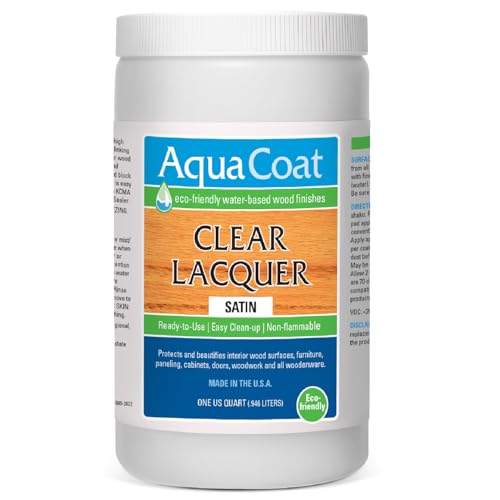
For optimal protection, I prefer using a clear polyurethane finish on my polished pieces. It forms a durable barrier against stains and moisture while allowing the underlying beauty to shine through. A water-based option is less yellowing and dries quickly, and I find it easier to work with as well.
Types of Sealants
My go-to choices include acrylic and oil-based options. Acrylic is user-friendly, quick to apply, and provides a resilient coat. On the other hand, oil-based sealers offer exceptional durability and are excellent for high-traffic areas, though they require longer drying times and have a stronger odor.
Application Tips
Before applying any sealant, all surfaces must be clean and dry. I advise using a fine-grit sandpaper to lightly scuff the surface if necessary, ensuring better adhesion. Using a high-quality brush or roller helps achieve a smooth finish. I typically apply two to three thin coats, allowing sufficient drying time between each application. This approach enhances durability and visual appeal.
Preparing the Furniture Before Sealing
Thoroughly clean the surface with a soft cloth to remove dust, dirt, and residues. I often use a mixture of warm water and mild soap for this purpose. Ensure that the cloth is damp, not soaking wet, to avoid excess moisture.
Inspect the Finish
Check for any damage or imperfections, such as chips or scratches. If any are found, lightly sand the affected areas using fine-grit sandpaper to create a smooth surface. This step is crucial to ensure that the protective layer adheres properly.
Remove Old Wax
- Apply a wax remover specifically designed for your material.
- Utilize a clean cloth to rub the remover onto the surface until all traces of wax are gone.
- Wipe the area with a damp cloth afterwards to eliminate any residue from the remover.
Let the piece dry completely before proceeding. This preparation showcases the quality of the underlying material and ensures that the protective layer achieves its full potential.
Applying Sealant Evenly on Waxed Furniture
Use a high-quality applicator pad or a clean, soft cloth to achieve an even distribution of the product across the surface. This helps to avoid streaks and uneven patches.
Follow these steps for optimal results:
- Shake or stir the sealant according to the manufacturer’s instructions to ensure uniform consistency.
- Begin at one corner and work your way across the surface, applying a thin layer. Over-application can lead to drips and excessive buildup.
- Use long, even strokes in one direction to promote a smooth finish. Avoid circular motions that could create unevenness.
- After covering the entire area, check for any missed spots or areas that may need more product.
To maintain a consistent appearance, it’s wise to work in sections. This approach allows for better control and ensures each part is addressed properly.
Finally, let the applied layer dry completely before using the item. Drying times can vary, so consult the product’s guidelines for specifics.
Drying Time and Curing Process for Sealants
For optimal results, allow the applied coating to dry for at least 24 hours before using the surface. This drying period may vary based on the chosen product, humidity levels, and temperature of the environment. Check the manufacturer’s instructions to determine the ideal drying time for the sealant you used.
Factors Affecting Drying Time
Temperature plays a significant role; warmer conditions can speed up evaporation, while cooler environments might slow it down. High humidity can also extend drying times, so ensure good ventilation during the curing process. I recommend performing a touch test to confirm drying; if the surface feels tacky, additional time is needed.
Curing Time Considerations
Curing, the process where the sealant fully hardens and bonds with the substrate, often takes from several days up to two weeks. For full protection and effectiveness, resist heavy use of the item until it’s completely cured. During this period, avoid exposing the surface to water or harsh chemicals to ensure an uninterrupted cure.
Maintaining Sealed Waxed Furniture Over Time
Regularly inspect surfaces for signs of wear or damage. A simple visual check can help catch issues early. For light scuffs, use a soft cloth to buff the area gently. If deeper scratches occur, consider reapplying a compatible finish in just that section for a seamless appearance.
Keep the item clean by dusting frequently with a soft, dry cloth. Avoid harsh chemicals; mild soap with water can be used for deeper cleaning, followed by thorough drying.
When humidity fluctuates, monitor for changes. Excessive moisture can lead to swelling while low humidity may result in cracking. Use a humidifier or dehumidifier as needed to maintain a stable environment.
For protection against spills, promptly blot liquids with a paper towel rather than rubbing, which can push the liquid into the surface. Depending on the liquid, a diluted solution of mild soap and water can be effective for cleaning afterward.
Consider periodic reapplication of the protective barrier, based on how frequently the item is used. A light coat every 6 to 12 months can prolong its life. Always ensure the surface is clean and dry before applying any new layer.
| Maintenance Task | Frequency |
|---|---|
| Dusting | Weekly |
| Deep Cleaning | Monthly |
| Check for Damage | Every 3 Months |
| Reapply Finish | 6-12 Months |
Lastly, avoid placing hot items directly on the surface. Use coasters and mats as protective measures. My experience indicates that consistent upkeep ensures longevity and retains the aesthetic appeal of any polished piece.
Repairing Scratches on Sealed Waxed Surfaces
To address minor nicks or wear on a protected surface, opt for a blend of matching touch-up paint and a clear finish that corresponds with the original protective layer. I usually start by cleaning the area gently with a soft, damp cloth to remove dirt and oils.
Next, I mix a small amount of touch-up paint in the exact color of the finish and apply it carefully using a fine brush. Ensuring I fill the scratch completely, I avoid overloading the brush to maintain the surface texture.
Once the paint dries, I lightly sand the area with very fine sandpaper (around 400 grit) to blend it in seamlessly with the surrounding finish. After sanding, I clean off the dust and apply a thin coat of the clear protective layer over the repair. For best results, it’s crucial to follow the manufacturer’s recommendations on drying times.
After completing the repair, I allow the touch-up to cure fully before subjecting the area to regular use. A period of at least 48 hours is advisable. Periodic checks will help me identify any further signs of wear, so I can address them promptly and maintain the piece’s integrity.
Common Mistakes to Avoid When Sealing Waxed Furniture
Avoid applying the sealant on surfaces that are still oily or greasy. Ensure the area is clean and dry before starting the process. Residues can interfere with adhesion and diminish the protective layer’s effectiveness.
Applying too thick a coat is another common issue. A heavy application can lead to bubbles or an uneven finish. Thin, even layers are preferable, allowing better penetration and drying.
Neglecting to test the chosen product on a small, inconspicuous area can result in unexpected reactions. Always verify compatibility to prevent damaging the surface.
Overlooking the manufacturer’s recommendations for drying and curing times can lead to premature wear. Each product has specific instructions that must be followed closely for optimal performance.
I also caution against using abrasive materials during the preparation phase. Scratching the surface can compromise the final result. Use soft cloths for cleaning and application.
Finally, rushing through the maintenance routines can diminish longevity. Regular checks for wear and prompt touch-ups will help preserve the finish and aesthetics.