Caleb Turner

If you aim for a sleek and polished appearance in your collection, utilize the polishing tool obtained from your crafting recipes. This handy item is essential for achieving that smooth, pristine finish on any piece you choose to customize.
Gather enough resources to create the polishing tool, which can include materials commonly found throughout your island. Once crafted, select the item you want to enhance, and apply the tool to see immediate changes. It’s a straightforward process, but the transformative effect on your décor is remarkable.
Consider mixing and matching various finishes for a unique aesthetic. You’re free to try geometric shapes, different wood types, or colors to truly personalize your space. Each piece you work on should reflect your individual style and elevate the overall ambiance of your environment.
Tips for Enhancing Your Items
To give your belongings a fresh appearance, gather specific materials such as the appropriate polish and a cloth for shining. While you may find various brands, I recommend acquiring the polish specifically designed for your item type. This ensures maximum effectiveness without damaging the surface.
Step-by-Step Guide
1. Begin by moving the item to a well-lit area to get a clear view of any imperfections.
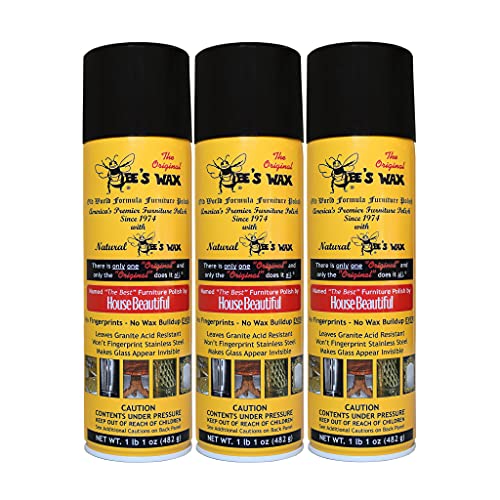


2. Apply the recommended polish onto a clean, soft cloth. Avoid using coarse materials that may scratch the surface.
3. Gently rub the cloth in circular motions, covering all areas evenly. Take your time to ensure an even application.
4. Allow the product to sit for the specified time mentioned on the product label for optimal results.
5. Wipe off any excess product with a clean cloth to reveal a shiny finish.
Maintenance Tips
Regular care of your items helps maintain their condition. Dust them frequently using a microfiber cloth. Avoid exposing them to harsh sunlight or moisture, which could cause wear. For particularly delicate pieces, consider using a dedicated storage area to keep them safe.
| Material Type | Recommended Product |
|---|---|
| Wood | Beeswax Polish |
| Metal | Metal Cleaner/Polish |
| Plastic | Plastic Polish |
| Glass | Glass Cleaner |
By following these steps, my items consistently maintain a refined look, enhancing the overall aesthetic of my space.
Understanding Furniture Types for Polishing
Knowing the variety of items in your collection helps me decide the right approach for maintenance. Each type has its characteristics and requires specific care. Here’s a breakdown:
Wooden Pieces
- Natural wood finishes often need gentle treatments, avoiding harsh chemicals.
- Use a soft cloth to restore shine, applying specialized wax for protection.
- Pay attention to grain direction while working to enhance the texture.
Metal Accents
- Metal structures may require a different cleaning agent to avoid corrosion.
- A microfiber cloth is effective for removing fingerprints and smudges.
- Occasional polishing with a lubricant can prevent tarnishing.
Recognizing the materials ensures an appropriate maintenance strategy that preserves the aesthetic while extending the lifespan of items.
Gathering Required Materials for Polishing
Begin by collecting a supply of soft cloths. Microfiber options are ideal as they prevent scratching surfaces while effectively removing dust and dirt. Additionally, prepare some wax or oil depending on the type of surface you wish to rejuvenate. These products can enhance the appearance and protect the finish of your items.
Local Resources
Check local shops or vendors to find suitable oils or waxes. Sometimes, crafting stores carry specialized items designed for restoring wood or synthetic surfaces. Browsing online marketplaces might yield unique products too.
DIY Solutions
If commercial products aren’t available, consider creating your own solution. A mixture of natural oils like olive or coconut oil, combined with vinegar, can be effective for cleaning and shining. Ensure that whatever you choose is safe for the specific materials in your collection.
Steps to Prepare Items for Refinishing
Clear and clean the area around the piece. Ensure there’s sufficient space to maneuver without hindrance. Remove all items resting on or inside the unit. For drawers, take everything out and set it aside safely to avoid clutter.
Check for any damage. Inspect the surfaces for scratches, dents, and loose joints. Mark areas needing attention; repairs are often easier before proceeding with the process.
Dust the surfaces thoroughly using a soft cloth or microfiber towel. This prepares the surface for treatment and helps prevent imperfections during the next steps. A vacuum can assist in getting into crevices if necessary.
Use a gentle cleanser to wash away grime and buildup. Mix water with a mild soap, dampen a cloth, and wipe areas clean. Ensure no excess moisture remains, especially in joints and seams, as it can cause issues later.
Allow the item to dry completely. This step is crucial to ensure that moisture doesn’t interfere with the subsequent processes. Depending on humidity levels, it may take several hours.
Finally, gather tools and materials needed for refinishing. Here’s a quick reference:
| Tool/Material | Purpose |
|---|---|
| Soft cloth | Cleaning and applying products |
| Sandpaper | Surface smoothing |
| Wood filler | Repairing damages |
| Brushes | Applying finishes |
| Protective gear | Safety while working |
Completing these tasks will set a solid foundation for a successful treatment of your items.
Selecting the Right Polishing Technique
Choosing the appropriate method for enhancing your items depends on their material and condition. For wooden pieces, I prefer using a soft cloth with a natural wax. This not only provides a lovely sheen but also nourishes the wood.
For metal accents, a specialized metal cleaner or polish designed for the specific type of metal works best. Applying it with a lint-free cloth prevents scratches.
If dealing with fabric-based items, a gentle upholstery cleaner is my go-to. I lightly mist the cleaner and use a soft brush to work it into the surface, then a clean cloth to remove any excess.
Keep in mind the age and wear of your items. Older pieces might require more delicate treatment, opting for less abrasive substances. Testing any cleaner on a hidden area can help avoid damage.
Ultimately, understanding the specific needs of each type ensures optimal results, enabling your possessions to shine in their distinct ways.
Applying Polish: Techniques and Tips
For a flawless sheen, I recommend the following methods. Begin with the choice of the right agent, as it directly impacts the finish. Wax-based products yield a rich glow while oil-based solutions provide nourishment.
Application Methods
- Cloth Buffing: Use a soft, lint-free cloth. Apply the solution in circular motions ensuring even distribution.
- Sponge Application: A sponge can help reach intricate details, especially in carved sections. Dampen the sponge slightly before use.
- Brush Technique: For larger pieces, a clean brush can cover more area efficiently. Choose a brush with soft bristles to avoid scratches.
Layering for Best Results
Start with a thin coat. Allow it to dry completely before applying a second layer. This builds a durable finish without overwhelming the surface.
Always test the chosen product on a small, inconspicuous area first. This can prevent unforeseen reactions, helping maintain integrity. For maintenance, consider applying a light layer every few weeks to preserve the look.
Identifying the Best Polish Products
To ensure optimal results, I consider several factors when selecting the ideal products for enhancing surfaces. Here’s what I look for:
- Ingredients: I prioritize natural ingredients. Avoiding harmful chemicals not only protects my items but also the environment.
- Application Method: I choose products that are easy to apply. Spray bottles or wipes often provide convenience without sacrificing quality.
- Finish Type: I check whether the product offers a glossy or matte finish, depending on the desired look for my items.
- Compatibility: I ensure that the product is suitable for the material at hand. Some formulas are designed specifically for wood, while others cater to metal or synthetic surfaces.
- Brand Reputation: I research brands known for quality. Reading reviews and testimonials helps me gauge the effectiveness of a product.
- Price Point: A balance between cost and quality is key. Premium options may yield better results, but budget-friendly choices can be just as effective.
Choosing the right products based on these criteria allows me to maintain and enhance my collection successfully.
Maintaining Furniture After Polishing
Regular upkeep post-tuning enhances longevity and aesthetic appeal. First, avoid placing items directly on the surface for at least 24 hours to ensure the coating cures properly.
Use soft, lint-free cloths for dusting regularly. This gentle approach prevents scratches and maintains a pristine appearance. For deeper cleaning, slightly dampen the cloth with water or a gentle cleaner suitable for your specific item’s composition.
Avoid exposure to direct sunlight, as ultraviolet rays can cause discoloration. Position items strategically to minimize contact with heat sources and moisture, which can warp materials.
Quarterly reapplying a protective coating can be beneficial for maintaining shine and shielding against stains. I keep track of applications in a calendar to ensure I don’t overlook this step.
Evaluate the integrity of joints and supports periodically. Tightening screws or fixing loose parts can prevent further damage and keep the structure stable. Simple maintenance can save time and resources in the long run.
For sealed items, I occasionally use a dedicated spray to maintain the finish. It’s crucial to select products that are compatible with the existing treatment to avoid adverse reactions.
Common Mistakes to Avoid When Polishing
Avoid excessive pressure during application. Applying too much force can damage surfaces rather than enhance them. Light, even strokes yield the best results.
Using unsuitable cloths can lead to scratches. Microfiber is generally the safest option, as it minimizes the risk of abrasion.
Neglecting to clean the item before starting is a frequent oversight. Dust and grime must be removed to prevent scratching and ensure a smooth finish.
Skipping the test on a small, inconspicuous area is a mistake. This helps identify how the material reacts to the product, avoiding potential damage.
Mixing different types of care products can have adverse effects. Stick to one type to maintain consistency in appearance and finish.
Forgetting to follow the manufacturer’s guidelines is another common error. Each item may have specific requirements that should be adhered to.
Overlooking drying times post-application can lead to unintended smudges. Allow sufficient time for the surface to cure before using the item again.
Tips for Polishing Unique or Rare Furniture
Focus on using products specifically designed for delicate items. They ensure that the surface remains unblemished while enhancing the appearance of your unique pieces.
Utilize Specialized Cloths
Soft, lint-free cloths are optimal for application. Microfiber options are excellent; they prevent scratches and help to achieve a uniform finish.
Test in a Discreet Area
Before applying any solution, do a test run on a hidden spot. This step helps verify compatibility and ensures the finish reacts well with the applied solution.
Pay close attention to intricate details. Use smaller brushes or cotton swabs for crevices and decorative elements to guarantee no area is overlooked.
Consider environmental conditions. Avoid extreme temperatures and high humidity, as they can affect drying and the overall effectiveness of enhancers.
After completing the process, allow ample time for the pieces to properly dry and settle. This prevents unwanted streaks and preserves that polished look for longer.