
 Caleb Turner
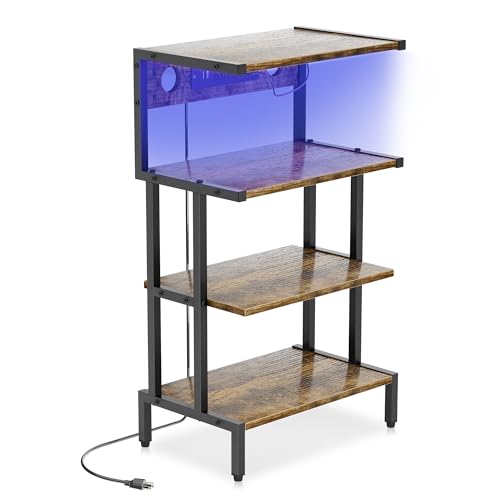
To reposition your items, consider using a simple strategy: grab your belongings from the edges rather than the center. This method allows for better leverage and control, ensuring a smooth transition to your desired spot.
Next, utilize nearby materials for support. A sturdy log or rock can serve as a fulcrum, making the task easier. This not only aids in lifting but also minimizes strain, allowing for a more focused approach to rearranging.


As a tip, remember to clear pathways to prevent any stumbling. A well-organized space will help in visualizing the arrangement and improving efficiency during the shift. Always assess your environment before attempting to relocate any sizable piece.
Engaging friends can turn this chore into an enjoyable activity. Collaborating with others will distribute the effort and provide valuable assistance when handling larger items. Teamwork can significantly reduce the time spent on this task.
Techniques for Relocating Items in the Game
To reposition objects, hold down the interact key (default ‘E’) to grab an item. Once lifted, you can navigate your character. Adjust your position using the movement keys to guide the item to the desired location.
Adjusting Height and Orientation
During transport, use the scroll wheel to alter the elevation of the item. This feature allows precise placement, especially on uneven surfaces or when stacking. Rotate the object by moving the mouse while gripping the item; this aids in aligning it properly with other elements in the environment.
Tips for Efficient Arrangement
To optimize space, start with larger pieces, then fill gaps with smaller ones. Creating a centralized hub for frequently used items enhances accessibility. Utilize walls and corners effectively to maximize your area.
| Action | Key/Mouse Input |
|---|---|
| Grab Item | E |
| Adjust Elevation | Scroll Wheel |
| Rotate Item | Mouse Movement |
Understand the Mechanics of Furniture Movement
First, I learned that interactions with objects require precise positioning. Approach the item you want to shift, ensuring my character is centrally aligned with it. This results in easier engagement and minimizes frustration.
Using Controls Effectively
Using the right controls is vital. Here are key steps:
- Press the designated key/button to grab the item.
- Once in hold, use the directional keys to guide the piece towards the target location.
- Release the item to place it down; ensure I’m looking at the intended spot.
Understanding Physics Interactions
The game features realistic physics. Here are some tips:
- Heavy items may be more challenging to shift; anticipate the need for additional effort.
- Observe how terrain impacts placement; irregular surfaces can hinder stability.
- Utilize walls or edges to help position larger pieces.
This knowledge transformed my strategy in organizing spaces, turning chaotic layouts into functional environments. Adopting these mechanics turned out to be a game-changer for efficient layouts.
Gather Necessary Tools for Relocating Items
Prior to commencing the process, I ensure I have the right equipment ready. This enhances my ability to execute tasks seamlessly. Here’s a checklist of tools I find invaluable:
- Steel Bars: These are excellent for leverage when adjusting heavy pieces.
- Dollies: A wheeled platform is crucial for transporting larger objects without straining.
- Moving Blankets: I use these to protect surfaces and prevent scratches.
- Straps: Securing items during transit avoids unwanted movements.
- Gloves: A good grip and hand protection are a must when handling hefty goods.
- Measuring Tape: Confirming dimensions ensures everything fits in place.
- Flashlight: Adequate lighting is necessary in dim areas to avoid accidents.
Additional Considerations
Having a reliable team significantly eases the burden. Communication among participants is important for synchronized efforts. I recommend assigning tasks based on individual strengths, ensuring an organized approach.
Assessing the path of relocation is beneficial. Clearing obstacles in advance contributes to a smooth transition. Lastly, maintaining a positive mindset during this process enhances productivity and makes the task more enjoyable.
Locate and Assess Furniture Placement
Identify suitable spots for your items by surveying the area carefully. Focus on functionality and aesthetics while considering each piece’s size and shape. Visually map out traffic flow to avoid clutter and ensure accessibility within your space.
Identify Key Areas
Take note of high-traffic regions and designate functional zones such as relaxation, dining, or crafting. This will help you position each piece where it serves its purpose effectively. For instance, place seating arrangements close to a fire or crafting table.
Examine Accessibility
Evaluate pathways around your chosen placements. Ensure there are no obstructions and that movement between areas feels intuitive. Items should not restrict entry or exit points. If necessary, adjust locations based on this assessment.
By conducting a thorough assessment of the surroundings and understanding the functionality of each piece, you can create a well-structured space that enhances utility and comfort.
Utilize Teamwork for Heavy Lifting
Collaborating with teammates is crucial for transporting large and cumbersome objects. Assign specific roles to each person to ensure a smoother process. For instance, one individual can guide the direction while another supports the weight, enabling better balance and control.
Coordinate Movements
Communication is key. Use clear signals or verbal cues to indicate when to lift, tilt, or change direction. This minimizes the chances of accidents and ensures that everyone is synchronized in their efforts. Establishing a rhythm allows for harmonious lifting and prevents unnecessary strain on any single individual.
Leverage Leverage
Incorporate tools like ramps or levers if possible. These can significantly reduce the physical effort required during transport. By working together and utilizing these tools, the whole team can achieve better outcomes with minimal risk of injury.
Implement Safe Moving Techniques
Always keep your back straight and bend your knees to lift heavy objects. This guarantees a lower risk of injury. Engaging your core muscles provides additional support during the lift.
Use Equipment Wisely
Employ sliders or dollies for larger items. These tools reduce the strain on your body and facilitate transport across different surfaces. For delicate pieces, ensure you have appropriate cushioning to minimize harm.
Maintain Clear Pathways
Before initiating the relocation, scout the area and eliminate any obstacles. This decreases chances of accidents. Adequate lighting can ensure visibility, preventing missteps that could lead to mishaps.
Secure Furniture After Relocation
I recommend using a combination of anchors and straps to stabilize items in their new places. Secure pieces against walls or other sturdy structures to prevent tipping or sliding.
Make sure to check alignment and ensure everything is level; this will help in preventing future accidents. Utilize heavy-duty rubber pads or furniture coasters to reduce slippage on flooring.
If working in an environment prone to adverse conditions, reinforce connections with additional fasteners or brackets, enhancing stability for long-term use.
For larger pieces, consider adding weights or tying them to fixed points to avoid unwanted movement. This precaution is necessary in areas with potential disturbances from wildlife or environmental factors.
Regularly inspect all secured elements, especially after significant winds or storms, to ensure they remain firmly in place. Making adjustments as needed will enhance safety and durability.
Troubleshoot Common Furniture Moving Issues
Check alignment before lifting hefty items. Misalignment can cause collisions with other structures, resulting in damage or injuries. A helper can assist with guiding the piece while I concentrate on balance and lifting.
Dealing with Obstacles
Identify potential barriers, such as protruding elements or uneven surfaces, in advance. Clearing pathways ensures smooth transitions. If encountering a tight space, adjusting angles may allow the passage of larger items without hassle. I’ve found that tilting furniture slightly can prevent snags.
Preventing Damage
Wrap fragile components or delicate fabrics adequately to minimize risks during transportation. Using padding or blankets reduces the likelihood of scratches or breaks. I’ve used old towels effectively for covering corners and edges. Additionally, securing doors and drawers with tape prevents them from opening unexpectedly during relocation.


