Caleb Turner

To achieve a striking look, I recommend selecting complementary tones and textures. For instance, pairing a warm walnut table with cool brushed silver accents creates a balanced aesthetic. Choose finishes that harmonize, like a polished aluminum chair alongside a matte oak console. This contrast can add depth and prevent visual monotony.
Consider the scale and proportion of each piece. A robust hardwood bench can ground a space, while slender metal stools can provide height and lightness. This interplay between bulky and delicate shapes fosters an inviting atmosphere. When arranging these elements, ensure they are in sync with the overall design theme of the area.
Accessorizing plays a crucial role in enhancing the synergy between these materials. Incorporating soft textiles, such as a plush rug or knitted throw, can soften the industrial feel of steel appliances. Similarly, decorative elements like metal sculptures can serve as focal points, drawing the eye and promoting a cohesive narrative across the room.
Combining Timber and Iron Pieces
Sticking to a unifying color palette is an effective method for creating harmony between timber and iron elements. I often choose a cohesive range that highlights the natural grains of the wood while complementing the metallic textures. Neutral tones such as white, gray, or beige work well, allowing each piece to shine.

Mixing textures can greatly enhance the aesthetic appeal. Incorporating soft fabrics in cushions or throws alongside hard-edged items provides contrast and depth. For instance, pairing a sleek metal table with a rugged wooden bench allows both materials to stand out without overpowering the space.
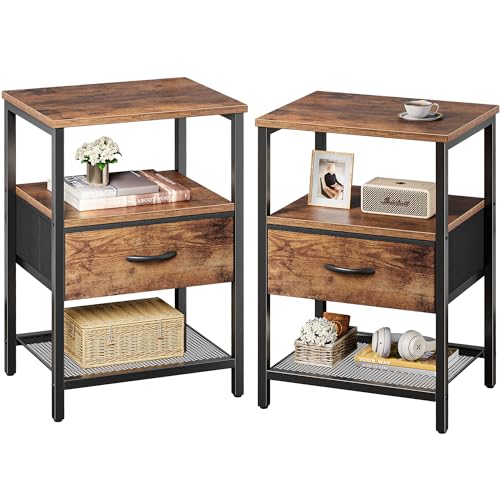

- Layering rugs can ground the arrangement. A plush area rug under a metal coffee table adds warmth and invites coziness.
- Consider incorporating greenery. Plants can soften the hard lines and add a refreshing touch, bridging the gap between differing materials.
Symmetry can help tie diverse elements together. I often position items in pairs to create balance. For example, placing matching timber stools on either side of a metal console creates visual stability.
- Choose accent pieces that echo the characteristics of both materials. A wooden lamp with a metal base reinforces the combination theme.
- In open spaces, allow for flow. Ensuring there’s enough room to navigate between items promotes a more cohesive look.
Lastly, pay attention to the scale of each piece. Mixing oversized timber structures with delicate metal designs yields a dynamic contrast. This interplay between heaviness and lightness adds intrigue without leading to chaos.
Choosing the Right Wood and Metal Combinations
To create a harmonious environment, it’s essential to consider the tone and finish of each element. For example, pairing dark-stained oak with brushed nickel can yield a rich, sophisticated ambiance, while lighter woods like maple shine alongside blackened steel for a more modern touch.
Texture and Grain
The texture of the materials plays a significant role. Smooth finishes complement sturdy metals, whereas rough textures can add character against sleek surfaces. Incorporating reclaimed wood with industrial iron introduces a rustic charm and tells a story through contrasting patterns.
Color Palette Coordination
Establishing a cohesive color palette amplifies the overall aesthetic. Warm tones, such as walnut or cherry, match well with warm metals like bronze or brass, creating an inviting atmosphere. Cool hues, such as ash paired with chrome, evoke a clean and minimalist feel.
Understanding Different Styles of Wood and Metal Combinations
Industrial aesthetic draws heavily from urban environments. Elements like raw iron and distressed timber create a rugged but sophisticated atmosphere. This pairing works well in lofts or casual spaces, where unpolished features enhance the visual character.
Scandinavian Inspiration
Clean lines and minimalism define the Scandinavian design approach. Light-colored woods combined with sleek metallic accents bring an airy feel to interiors. Choosing light oak or birch alongside brushed nickel can evoke a tranquil ambiance, perfect for modern settings.
Rustic Charm
Charm meets function in rustic styles featuring reclaimed timber paired with wrought iron or blackened steel. This combination reflects nature’s imperfections, offering a cozy and warm atmosphere. Ideal for cabins or country homes, these elements emphasize craftsmanship and history.
I find that understanding these styles helps in making informed choices, ensuring that pieces not only complement each other but also create a cohesive environment. Look for textures and finishes that resonate with your personal style, blending the inherent characteristics of each material seamlessly.
Balancing Colors and Finishes in Your Decor
Begin with a cohesive color palette that unifies different materials. Choose a primary color for the main elements in a room, ensuring that both textures complement each other. For instance, if you select a warm, rich brown for the wooden aspects, consider cooler tones like black or brushed nickel for the metallic parts, creating a beautiful contrast.
Consider Textural Contrast
Textures play a significant role in achieving balance. Aim for a blend of smooth and rustic surfaces:
- Opt for a sleek, polished finish on metallic pieces.
- Choose a more textured, natural finish for the wooden elements.
- Integrate fabrics that soften the overall appearance, such as soft upholstery or linen accents.
Distribution of Color and Texture
Distribute colors evenly throughout the space to maintain harmony:
- Apply similar tones to larger items like a dining table or coffee table.
- Incorporate smaller accessories, such as vases or lighting fixtures, to echo these hues.
- Utilize artwork or decorative pieces to bridge the two materials together, reflecting both shades and finishes.
Remember to adjust the intensity of hues. Subdued tones provide a tranquil environment, while bold colors can highlight specific focal points. Finding that balance enhances the aesthetic appeal of varying designs and creates a polished look.
Finding the Right Size and Scale for Your Space
Prioritize dimensions that complement your area. Measure the available space before acquiring new pieces, ensuring they fit seamlessly without overcrowding. Consider the height and width of each item; tall objects can create vertical interest while low pieces may open up the room.
Balance is key. Pair larger, heavier structures with lighter, more delicate items to establish a sense of harmony. For instance, a robust table can be offset by slim chairs or a minimalist shelf. This variety maintains flow and prevents any single piece from dominating the environment.
Experiment with arrangement. Create zones by segmenting areas for different activities, ensuring that furniture sizes are appropriate to their function. For dining, ensure ample space allows for movement, while a cozy reading nook may feature smaller, inviting configurations.
Pay attention to proportions. A compact space requires appropriately scaled objects to avoid that cramped feeling. Conversely, expansive rooms can accommodate larger designs, provided they enhance rather than overwhelm. Assess how items relate to one another and the surrounding architecture.
Lastly, allow for flexibility. Choose modular or multifunctional items to adapt to changing needs. This versatility helps maintain a cohesive look while supporting an evolving lifestyle.
Creating Visual Harmony with Textures
To achieve a cohesive look when integrating different materials in your space, I recommend focusing on the tactile qualities of each element. A key strategy is to select pieces that feature complementary textures. For example, pairing a smooth metal finish with a coarse, natural grain can create a pleasing contrast that enhances both materials.
Texture Pairing Guide
| Material Type | Complementary Texture |
|---|---|
| Sleek Steel | Rough Cedar |
| Brushed Brass | Weathered Oak |
| Polished Aluminum | Distressed Pine |
| Matte Black Iron | Reclaimed Teak |
Incorporating textiles, such as upholstered chairs or woven rugs, can further enhance the contrast. Choose fabrics that soften the industrial feel of metal or highlight the organic aspects of timber. Consider items like a soft wool blanket over a steel-frame couch or linen cushions on a reclaimed wood bench.
Balance is achieved not solely through complementing textures but by varying them throughout your decor. This approach prevents any single material from dominating the visual narrative. Aim for a mix of rough, smooth, shiny, and matte surfaces to create layers that draw the eye and invite touch.
Incorporating Accessories to Enhance the Mix
Using textiles like cushions and throws can soften the ruggedness of hard surfaces. Opt for fabrics that feature colors or patterns reflecting both natural and industrial themes–think earthy tones paired with geometric prints. This not only brings warmth but also establishes visual dialogue within the space.
Artwork and Decorative Elements
Select art pieces that blend organic and industrial aesthetics. Metal sculptures or framed photographs with wooden accents can serve as focal points while harmonizing with surroundings. Ensure that these pieces are proportional to the size of your space, avoiding overwhelming elements that could disrupt balance.
Lighting Choices
Incorporate lighting fixtures that feature a combination of natural materials and metals. For instance, consider pendant lights with wooden shades or lamps that coordinate with your existing designs. The right lighting not only enhances functionality but also adds character, further enriching the overall ambiance.
Arranging Furniture for Optimal Flow and Functionality
Focus on creating clear pathways for movement throughout the space. I recommend positioning large pieces, such as sofas or beds, against walls to open up central areas. This approach not only enhances flow but also makes a room feel more expansive.
Create distinct zones by grouping seating and tables together. This arrangement encourages conversation and allows for easy interaction among guests. Use area rugs to define these spaces visually while adding warmth and texture.
Be strategic about functionality. Utilize multi-purpose items, like a coffee table that doubles as storage, to maximize utility without cluttering the area. Look for designs that complement each other in style and finish, creating cohesion across different elements.
Maintain balance by ensuring equal distribution of heavier and lighter pieces. For instance, if one side of the room features a bulky armchair, counterbalance it with streamlined shelving or a slender console table on the opposite end.
Consider the height of each element when arranging. Keeping eye-level items, such as artwork or mirrors, roughly two-thirds up the wall creates a sense of harmony. A visual anchor, like a stylish floor lamp or a tall plant, can provide height variation, enhancing overall aesthetics.
| Tip | Description |
|---|---|
| Clear Pathways | Position large furnishings against walls to avoid obstruction. |
| Zone Creation | Group similar items to encourage social interaction. |
| Multi-purpose Items | Choose versatile pieces to enhance utility. |
| Balance | Distribute heavy and light elements evenly. |
| Height Variation | Incorporate varying heights for visual interest. |
Lastly, always assess the arrangement from various angles. Stand at the entrance or switch perspectives to determine if anything feels off-balance or crowded. Adjust as needed for both functionality and aesthetic appeal, ensuring the space feels complete and inviting.
Maintaining Mixed Furniture for Longevity
Regular cleaning is fundamental. Use a soft, damp cloth for surfaces, avoiding harsh chemicals that can damage finishes. For intricate designs, a gentle brush helps remove dust from crevices.
Protecting Against Wear
- Apply coasters and placemats to safeguard surfaces from scratches and heat.
- Consider using felt pads under objects to prevent slipping and scratching.
- Keep items spaced to allow airflow and prevent moisture buildup, especially for composite elements.
Addressing Maintenance Needs
- For timber, use appropriate oils or waxes to maintain its luster, replenishing every few months.
- Inspect metal components regularly for signs of rust or corrosion; treat with a suitable protective coating if necessary.
- Re-tighten any loose screws or joints to ensure stability and safety.
Seasonal checks can prevent small issues from escalating. Different environments, like high humidity or dry conditions, affect longevity. Adapt care routines accordingly.
Emphasizing the importance of responsible usage can extend the life of each piece. Avoid overloading shelves or placing excessive weight on any section. Careful handling during cleaning and moving reduces the risk of accidental damage.
Shopping Tips for Finding Quality Pieces
Inspect the materials closely before purchase. I prioritize solid items crafted from durable hardwoods or thick metals. Avoid any product labeled as “composite” or “particleboard,” as these may not withstand long-term use.
Check the joints and seams for stability; strong construction often ensures longevity. Pay attention to the weight of each piece; heavier items generally indicate higher quality materials.
Research Brands and Reviews
I find it helpful to research manufacturers and read customer reviews. Established brands usually have a reputation to maintain, which can correlate with superior craftsmanship. Look specifically for comments about wear and tear over time.
Visit Local Shops and Markets
Visiting local boutiques or markets allows for hands-on examination. I often get a better feel for the design, finish, and comfort when seeing items in person. Additionally, engaging with sellers can provide insights into the production process and materials used.
Don’t hesitate to negotiate prices, especially in smaller shops where there may be room for adjustment.
Set a budget beforehand, yet remain open to investing extra in pieces that offer exceptional quality. Sometimes, a slightly higher price can lead to better health for my living environment in the long run.
Buying second-hand can lead to finding unique pieces with character. Thrift shops and online marketplaces often have hidden treasures that are both stylish and affordable.
Lastly, always envision the potential integration of each item within my existing decor before finalizing any purchase. This approach helps avoid buyer’s remorse and ensures a cohesive aesthetic throughout my space.