Caleb Turner
Open windows and let in fresh air daily. It helps reduce the intensity of unwanted odors and allows for better ventilation.
Place activated charcoal or baking soda around the space. Both materials work effectively to absorb unpleasant scents without introducing harmful substances.
Utilize natural odor eliminators such as white vinegar or lemon juice. Setting open containers in the area can neutralize lingering fragrances from the items.


Consider using essential oils. Diffusing oils like lavender or eucalyptus contributes to a pleasant atmosphere while masking any residual odors.
Regularly clean the area, including floors and surfaces. Dust and residues can trap foul scents, so maintaining cleanliness is crucial.
Lastly, allow for time. Continuous exposure to air and light helps diminish any remaining unwanted odors significantly.
Tips for Eliminating Odor from Recently Acquired Items in a Child’s Room
Ventilation plays a significant role in addressing unwanted odors. Open windows and doors to encourage air circulation, allowing fresher air to flow in and help dissipate any lingering scents.
- Utilize fans to enhance airflow throughout the space.
- Consider placing scent-absorbing substances, like activated charcoal, around the area, as they can effectively minimize unwanted fragrances.
Introducing natural elements also aids in combating persistent odors. Try the following:
- Place bowls of baking soda in corners. This common household item is an excellent odor neutralizer.
- Introduce indoor plants that have air-purifying properties, such as spider plants or peace lilies.
Regular cleaning routines contribute to a fresher environment. Ensure that all surfaces are wiped down frequently to remove any dust or residue from the items:
- Use a damp cloth to wipe surfaces, taking care to focus on areas that may capture dust or escape volatile compounds.
- Vacuum flooring regularly, particularly under and around new acquisitions.
For particularly stubborn scents, consider using natural essential oils to create a pleasant atmosphere. Employ a diffuser with lavender or citrus oils, which are known for their soothing and fresh aromas.
Lastly, be patient. It may take time for certain odors to completely dissipate. By employing these strategies, you can create a more pleasant space for your child while ensuring their environment remains safe and welcoming.
Identifying Sources of Odor in Recent Additions
First, inspect materials. Common culprits include particleboard, MDF, and certain plastics. These materials often contain adhesives and VOCs that contribute to unpleasant aromas.
Next, analyze the finishing products. Paints, lacquers, and varnishes used on surfaces may release odors long after application. Look for information on the type of finish and its drying duration.
Evaluate cushions and upholstery. Fabrics treated with flame retardants or made from synthetic fibers might emit strong scents. Check labels for treatments and materials used.
Consider the delivery process. Packaging can trap odors, especially if items were sealed tightly. Airing items out can significantly reduce the presence of these trapped scents.
| Source | Common Constituents | Notes |
|---|---|---|
| Particleboard | Wood fibers, adhesives | Often contains formaldehyde |
| Finishes | Paints, varnishes, solvents | Drying time varies; some emit for extended periods |
| Upholstery | Synthetic fabrics, treatments | Flame retardants can cause lingering odors |
| Packaging | Plastic wrap, foam | Can absorb and hold odors |
Finally, monitor air circulation. Poor ventilation can heighten the perception of any odors present. Ensuring fresh airflow aids in dissipating unwanted scents effectively.
Ventilating the Nursery Properly
Open windows during daytime hours allows fresh air to circulate. I rotate the furniture to create a good airflow path, avoiding blockages. If it’s too cold or rainy outside, I use fans for indoor airflow while ensuring safety.
Utilizing exhaust fans, if available, works wonders in directing stale air outside. I keep bathroom and kitchen doors shut, preventing odors from traveling. For a quicker solution, ceiling fans can help, running them on a low setting enhances air movement.
After heavy cleaning or assembly, I leave doors open for several hours. I also avoid sealing the space too tightly by using breathable materials like curtains or light blinds, allowing slight airflow without compromising privacy.
Regularly check and replace HVAC filters, maintaining optimal air quality. I also consider an air purifier with activated carbon filters to remove lingering particles, ensuring a cleaner environment.
Lastly, growing some plants like peace lilies or spider plants contributes positively to air purification while adding a touch of greenery, enhancing the nursery atmosphere.
Using Baking Soda for Odor Absorption
I recommend sprinkling baking soda generously across surfaces where the scent lingers. This natural absorbent excels at neutralizing unwanted odors. It’s best to leave it in place for at least 24 hours before vacuuming it up, allowing the time needed for effective absorption.
For optimal results, I suggest placing small bowls of baking soda around the room. This provides additional exposure to air and enhances its capability to capture any lingering scents. Consider changing the baking soda every couple of weeks for continuous freshness.
If you encounter especially stubborn odors, creating a paste by mixing baking soda with a small amount of water can prove beneficial. Apply this mixture to the affected areas, let it dry, and then gently brush or vacuum it away. This method increases contact time with the source of the odor, improving overall effectiveness.
Make sure to keep areas well-ventilated during this process. Fresh air can assist baking soda in its task of absorbing and neutralizing unwelcome aromas. Together, these steps will create a more pleasant environment for your little one.
Cleaning Surfaces with Mild Solutions
Mix a solution of warm water and a few drops of gentle dish soap to clean surfaces. Using a soft cloth, dampen it with the solution and wipe down shelves, cribs, and any other exposed surfaces. Ensure the cloth is not overly wet to prevent moisture damage.
For stubborn residues, a blend of vinegar and water works effectively. Combine equal parts of both in a spray bottle. Lightly mist the surfaces, allowing the solution to sit for a minute, then wipe away with a clean cloth. This method neutralizes odors while being safe for most materials.
In instances with wood components, a mixture of olive oil and vinegar can nourish the finish. Use one part olive oil to two parts vinegar, applying it with a soft cloth. This treatment addresses both cleanliness and scent absorption without harsh chemicals.
Always test any solution on an inconspicuous area before full application to ensure there is no adverse reaction with the surface material. Allow surfaces to dry well after cleaning, maintaining good airflow in the area.
Utilizing Air Purifiers for Improved Air Quality
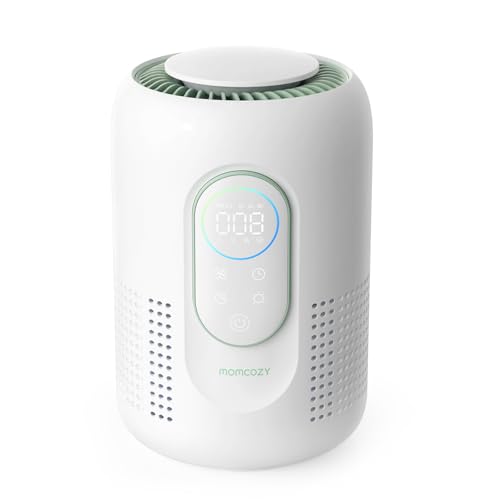
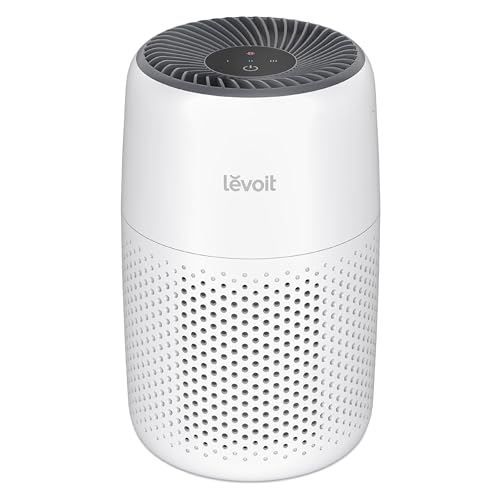
I recommend placing a high-quality air purifier in the room. Opt for a model equipped with a HEPA filter, which efficiently captures particles and airborne pollutants. It’s essential to choose a purifier with an activated carbon filter, as this helps to absorb volatile organic compounds (VOCs) and odors commonly released from modern products.
Set the purifier to run continuously, especially during the initial days of bringing items into the space. This consistent operation reduces pollutant concentrations in the air and enhances the overall atmosphere for your child.
Ensure the size of the air purifier matches the room dimensions for optimal performance. Regularly check and replace filters according to the manufacturer’s guidelines to maintain efficiency.
Consider a model with additional features like air quality sensors or smart capabilities, which adjust the filtration process based on detected air quality levels. This adaptability allows for proactive responses to changes in the environment, ensuring clean air at all times.
For best results, complement the air purification with other methods, such as ventilation and cleaning, to create an atmosphere that promotes well-being.
Incorporating Natural Deodorizers
Essential oils offer a pleasing way to combat unwanted odors. Lavender, eucalyptus, and lemon oils can enhance the atmosphere. I blend a few drops with water in a spray bottle and lightly mist the area. Avoid direct application on surfaces to prevent damage.
Activated Charcoal
Activated charcoal is another natural absorptive agent. I place small bags or bowls filled with this charcoal around the area. It effectively traps odor particles, leading to fresher air. After several weeks, I replace the charcoal to maintain its efficacy.
Herbs and Citrus Peels
Another method involves using common kitchen items. I often set out dried herbs like rosemary or sage in open dishes. Citrus peels, such as those from oranges or lemons, can also provide a refreshing scent. They are biodegradable and can later be composted.
Choosing Low-Emission Furniture Options
Opt for materials certified for low emissions, such as those with Greenguard Gold or EcoLabel certifications. These standards ensure minimal release of harmful substances.
Prioritize solid wood over particleboard or MDF, as the latter often contain adhesives that emit volatile organic compounds (VOCs).
- Look for manufacturers committed to sustainable sourcing practices.
- Seek out brands that utilize natural finishes, like oils or waxes, instead of synthetic coatings.
- Research reclaimed or vintage pieces that avoid new materials and preservatives altogether.
Avoid foam cushions made with toxic chemicals; instead, select those filled with organic materials, such as natural latex or eco-friendly alternatives.
Consider furniture designed for easier disassembly, allowing for recycling or responsible disposal at the end of its life cycle. This practice not only supports a healthier space but also promotes environmental sustainability.
Ask retailers about their emission ratings and any third-party testing performed. Transparent disclosure indicates a commitment to safety and quality.
Monitoring and Maintaining Fresh Air Circulation
Regularly check the air quality by testing for various pollutants. Utilize an indoor air quality monitor that measures volatile organic compounds (VOCs) and particulate matter. This will allow me to understand the impact of any recent additions to the space.
Keep windows open for a minimum of 15-30 minutes each day to promote airflow. If outside pollen or pollutants are a concern, use screens or filter systems while still ensuring ventilation. Positioning a fan can help disperse concentrated air, moving it throughout the area.
Routine Inspection
Conduct weekly inspections for visual signs of moisture or mold, which can exacerbate odors. If I notice any problems, address them immediately to prevent further issues.
Regular Replacement of Filters
Replace HVAC filters every one to three months to maintain optimal air circulation. This reduces dust and allergens that can linger in the atmosphere, enhancing the overall freshness of the environment.