Caleb Turner

I recommend using a plastic card to gently scrape away the hardened residue from your upholstery. Be careful not to damage the fibers while doing this. Patience is key, as rushing can lead to further damage.
After removing the bulk, place a brown paper bag or a clean cloth over the affected area. Heat an iron on a low setting and carefully press it over the cloth. The heat will melt the remaining residue, allowing it to be absorbed into the paper or cloth. Ensure no direct contact between the iron and the surface to avoid burns.
Once you’ve lifted as much as possible, treat any remaining stained area with a mild detergent mixed with water. Dab gently rather than rubbing, using a soft cloth. Rinse the area with clean water afterward and blot dry.
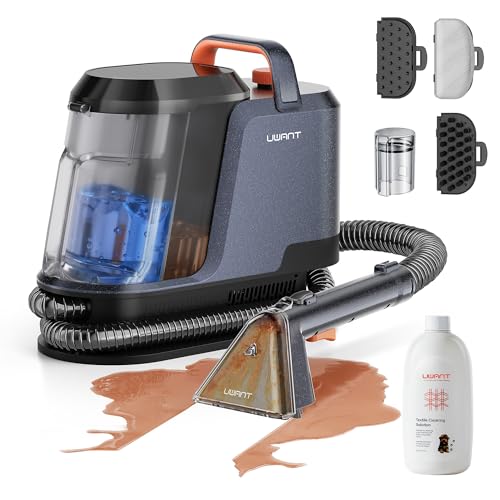

If residual staining persists, consider applying a specialized cleaning solution designed for your upholstery type. Always test it in an inconspicuous spot first to avoid unwanted discoloration. With proper care, restoring your upholstered piece can be straightforward.
Understanding the Composition of Wax
The primary components of this substance are paraffin, stearin, and various additives. Each component affects the properties and behavior of the product when melted or hardened.
Key Ingredients
- Paraffin: Derived from petroleum, it is the most common ingredient. It gives a smooth texture and burns evenly.
- Stearin: Often derived from animal fat or vegetable oils, it enhances hardness and opacity.
- Essential oils: These are included for fragrance, impacting both the scent throw and appearance.
- Dyes: Synthetic or natural colorants are used for aesthetic purposes.
How Composition Affects Behavior
The ratio of these substances plays a crucial role in melting points and burning characteristics. Higher stearin content results in a slower burn, while a predominance of paraffin contributes to a quicker melting process.
Understanding these elements helps in anticipating how the material interacts with various surfaces and guides the cleaning strategies that can be employed effectively.
Gathering Necessary Tools and Materials
For the task ahead, I make sure to assemble the following items:
- Ice cubes or a cold pack to solidify the residue.
- A dull knife or a credit card for gently scraping off the hardened substance.
- Absorbent paper towels or cloths to soak up any remaining traces.
- An iron or hairdryer for applying controlled heat.
- Baking paper or a brown paper bag to protect the surrounding area while applying heat.
- A mild detergent for cleaning the area afterward.
Preparation Steps
I begin by ensuring that the work area is well-ventilated and that I have easy access to an outlet if using an iron or hairdryer. Organizing these tools nearby allows for a smooth process.
Additional Considerations
Choosing the right type of cloth can significantly impact results. I prefer using microfiber or cotton towels as they are highly absorbent yet gentle on surfaces. Keeping these tools on hand makes the retrieval process much more straightforward.
Initial Steps to Minimize Wax Spread
Immediately blot the affected area with a clean, dry cloth or paper towel to absorb excess residue. Gently press without rubbing to prevent further penetration into the material.
Next, freeze a small, clean piece of ice in a plastic bag. Once solid, apply it directly to the stain. This practice will solidify remaining residue, making it easier to remove in later steps.
Utilize a spoon or blunt knife to carefully lift any solidified particles from the surface. Take care not to damage the fibers beneath.
In case the fabric permits, place a paper towel or brown paper bag over the area prior to applying heat in subsequent removal stages. This will help contain the spread.
Refer to the following table for quick reference on the initial steps:
| Step | Action |
|---|---|
| 1 | Blot with a clean cloth to absorb excess material. |
| 2 | Apply an ice pack in a plastic bag to solidify remaining residue. |
| 3 | Gently lift solidified particles using a blunt tool. |
| 4 | Cover with paper before heat application to contain the spread. |
Applying Heat to Remove Wax from Fabric
I recommend utilizing a heat source to gently melt the residue. Lay a clean brown paper bag or an absorbent cloth over the affected area. Using an iron set to a low temperature, press it onto the bag or cloth in a gentle, circular motion. This helps transfer warmth, allowing the melted remnants to soak into the material without damaging the underlying fibers.
Maintain constant movement to prevent overheating and test frequently, ensuring the heat does not adversely affect the covering. If you’re dealing with a delicate textile, consider using a hairdryer on a low setting instead. Hold it at a distance of about six inches, directing the warm air onto the area for a few seconds before quickly blotting with the absorbent material.
Repeat the process until the majority of the residue is lifted. Afterward, clean the area with mild soap and water to eliminate any lingering scents or discoloration.
Cleaning Residue and Restoring Fabric Texture
After effectively removing the solid components, the next step involves addressing any remaining residue and reviving the texture of the material.
Remove Residue
To eliminate lingering marks, gently blot the stained area using a clean cloth or paper towel. Ensure not to rub, as that might amplify the issue.
- For minor residue, lightly dampen a cloth with rubbing alcohol and dab the area.
- Test on an inconspicuous spot first to verify compatibility with the material.
Restore Texture
Once the residue has been cleared, focus on restoring the upholstery’s original feel:
- If the fabric appears flattened, utilize a soft brush to gently lift the fibers.
- For deeper cleaning, consider using a steam cleaner set on a low setting, maintaining a safe distance to avoid damage.
Finally, allow the area to air dry completely. This ensures both cleanliness and texture recovery, maintaining the aesthetic appeal of the material. Regular maintenance will aid in preventing future issues.
Avoiding Common Mistakes During the Cleaning Process
Skipping the initial test on an inconspicuous area can lead to unintended damage to the upholstery. Always check the fabric type and care instructions before proceeding.
Using excessively high heat can result in fabric burns or alterations. Keep the iron or heat source at a safe distance and on a low setting to gently melt any residues.
Rubbing the stained area vigorously often pushes materials deeper into the fibers. Instead, gently blot the area with a soft cloth to absorb without embedding the substance further.
Overloading the cleaning materials can create more mess. Use just enough absorbent products or cloths to effectively manage the situation without excessive saturation.
Neglecting to follow up with a gentle cleaning solution after removing residues can leave lingering spots. Make sure to refresh the area for cleanliness and appearance restoration.
Ignoring the fabric’s nap during cleanup can affect its texture. Always work in the direction of the fibers to maintain a uniform appearance.