Caleb Turner

For a durable and appealing look, consider using a high-quality polyurethane sealant. This product not only provides a protective layer but also enhances the natural grain of the wood. Apply it with a fine brush, taking care to cover all surfaces evenly.
Before sealing, ensure the surface is properly sanded. Start with 120-grit sandpaper, then progress to 220-grit for a smooth finish. Remove dust with a tack cloth to prepare for the application of the sealant.
After the application of the first coat dries, lightly sand again with 220-grit sandpaper. This step is crucial for achieving a professional appearance. Apply additional coats as necessary, typically two to three layers, allowing ample drying time between applications.
For a more decorative option, staining the wood before sealing can transform its appearance. Choose a shade that complements your space and apply with a clean cloth. Wipe off any excess after a short wait, and allow it to dry completely before applying the protective sealant.
Finishing Touches for Your Pine Creations
Begin with sanding the surface using 120-grit sandpaper to create a smooth base. Progress to a finer 220-grit for optimal results. Wipe away dust with a damp cloth to ensure proper adhesion.


Select a high-quality wood stain for color enhancement. Apply with a foam brush, working in the direction of the grain. Allow time for absorption, then remove excess with a clean cloth to avoid dark spots.
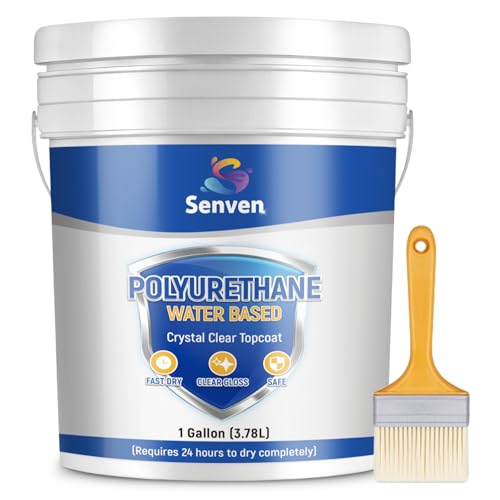
Seal with a polyurethane coat for durability. Choose between water-based or oil-based versions; water-based dries faster and yields a clear finish, while oil-based offers a richer hue. Use a brush or foam applicator and apply thin layers, allowing each to dry completely.
If repositioning or touching up damaged areas, lightly sand the affected spot before reapplying stain or sealant for seamless blending.
For added protection, consider a wax finish once the sealant is cured. Buff it in with a soft cloth to achieve a subtle sheen that enhances the natural beauty.
Store your pieces in a climate-controlled environment to prevent warping or cracking over time. Direct sunlight can also alter the color; use curtains or UV-protective film to safeguard your projects.
Choosing the Right Finish for Pine Furniture
Opt for water-based polyurethane for a durable, clear coat that dries quickly and is easy to apply. This option protects the wood while still allowing its natural grain to shine through. Consider matte or satin sheens for a more subdued look, or glossy finishes to enhance visual depth.
Exploring Stain Options
If color enhancement is desired, use oil-based stains for a richer appearance. Apply a stain with a cloth or brush, wiping away excess for even results. For a more subtle tint, gel stains provide excellent control and cover uneven spots effectively. Test stains on a small area to see how they interact with the timber.
Sealing and Protection
After staining, sealing the surface is crucial. Shellac offers a warm tone and dries rapidly, while lacquer provides a harder finish for areas subject to wear. Always apply multiple thin layers rather than a single thick coat, allowing for proper drying between applications to avoid bubbling and uneven surfaces.
Preparing the Surface of Pine Furniture
Begin by thoroughly cleaning the surface. I use a damp cloth to remove any dust or debris, ensuring a smooth application later. Once dry, I sand the wood with fine-grit sandpaper (220-grit) to eliminate rough spots and prepare it for any treatment. This step enhances adhesion of the subsequent products.
After sanding, I wipe the surface again with a tack cloth or a slightly damp cloth to remove any leftover dust created during sanding. It’s crucial to make sure there’s no residue, as this can affect the final outcome.
If the piece has any previous coatings, I opt for a more aggressive sanding method or a chemical stripper to remove them completely. This process requires caution; I make sure to follow the manufacturer’s instructions carefully to avoid damaging the wood.
For those imperfections, I fill any cracks or holes with wood filler that matches the grain; after it dries, I sand it smooth to create a seamless look. I always ensure it’s fully cured before proceeding.
Lastly, I ensure the surface is completely dry, as moisture can lead to issues when applying finishes. These steps are essential for achieving a polished and durable appearance.
Staining for a Richer Color
I recommend using oil-based or gel stains for a deeper hue, as they penetrate the wood solidly, enhancing the grain. Test different shades on a scrap piece before application. Start with a lighter color, as it’s easier to darken later.
Application Technique
Use a clean lint-free cloth or foam brush to apply the stain evenly. Work in the direction of the grain to avoid streaks. Allow the stain to sit for a few minutes before wiping off the excess to achieve the desired intensity. For a richer appearance, consider applying multiple coats, allowing proper drying time between each layer.
Seal for Protection
Once satisfied with the color, sealing with a clear polyurethane or lacquer is advisable. This step not only protects the surface but also enhances the color’s vibrancy. Apply a thin coat with a brush or spray, ensuring even coverage, and lightly sand between coats for a smooth finish.
Applying Paint to IKEA Pine Furniture
For a smooth application, I select high-quality acrylic or oil-based paint specifically designed for wood surfaces. This ensures durability and a professional appearance. It’s essential to use a primer before painting to create an even base and improve adhesion.
Here’s how I approach the painting process:
- I begin by applying a coat of primer using a high-density foam roller or a natural bristle brush. This ensures an even distribution on the surface.
- I allow the primer to dry completely, usually for about 2-4 hours, depending on the humidity and temperature.
- Next, I lightly sand the primed surface with fine-grit sandpaper to remove any imperfections and create a bond for the paint.
- I wipe down the surface with a damp cloth to remove dust particles, then let it dry.
- After that, I apply the first coat of paint using a brush or roller, making sure to follow the wood grain for better coverage.
- Once the first coat is dry, typically after 4-6 hours, I lightly sand again to achieve a smoother finish.
- Finally, I apply a second coat for complete coverage, allowing proper drying time between layers.
After the final coat dries, applying a clear topcoat enhances the durability and gives a polished look. I usually choose a water-based polyurethane for easy cleanup and low odor.
Regular maintenance, like dusting and cleaning with gentle soap, will keep the painted surfaces looking fresh for years.
Using a Protective Topcoat on Pine Furniture
A high-quality protective coating is essential for safeguarding your project from wear and tear. I recommend using either polyurethane or water-based finishes for their durability and ease of application.
Before applying the topcoat, ensure the surface is clean and fully dry. A light sanding with fine-grit sandpaper will help create a smooth base and improve adhesion. After dusting off the surface, consider the following options:
| Coating Type | Benefits | Recommended Use |
|---|---|---|
| Oil-based Polyurethane | Offers a hard, long-lasting finish; highlights the natural grain. | High-traffic areas, items needing extra protection. |
| Water-based Polyurethane | Dries quickly, low odor, easy cleanup. | Indoor pieces, projects requiring a clear finish. |
| Shellac | Provides a warm tone; easy to apply and repair. | Decorative items, projects needing frequent touch-ups. |
Apply the chosen coat using a high-quality brush or foam applicator, working in even strokes to avoid bubbles. Allow adequate drying time as recommended on the product instructions, and consider applying multiple layers for increased durability. Lightly sand between coats to ensure a smooth finish.
Finally, a final coat of wax can further enhance the sheen while adding an extra layer of protection. Keep maintenance in mind; periodic reapplication of the topcoat will help retain its appearance and prolong the life of your creation.
Techniques for Achieving a Smooth Finish
I rely on a multi-step approach to ensure a seamless surface on wooden pieces. Begin by sanding the entire area with a medium-grit sandpaper, ideally around 120-grit, to remove imperfections. Follow with a finer grit, such as 220, to smooth out the surface further. This progressive sanding helps in achieving a level that feels smooth to the touch.
Using a sanding block provides even pressure, while orbital sanders can cover larger areas quickly. For intricate parts, I prefer hand sanding to control the angle and pressure better. After sanding, always remove dust using a vacuum or a damp cloth, as this hinders adhesion of finishes.
Sealing the Surface
Applying a sealant is crucial for a refined appearance. I opt for a water-based primer as it dries quickly and doesn’t affect the wood’s natural hue significantly. A thin, even coat is important; I use a foam brush or a high-quality synthetic brush to minimize brush strokes.
Final Sanding and Buffing
Once the primer is dry, I lightly sand it again with a fine grit, like 320, to eliminate any raised wood fibers. Afterward, I buff the surface with a soft cloth to prepare it for the final coat. This process ensures that the end result is not only aesthetically pleasing but also feels exquisite to the touch.
Tips for Sanding Pine Furniture Properly
Begin with a coarse grit sandpaper, such as 80 or 100 grit, to remove any rough spots or imperfections. Use a sanding block for flat surfaces to maintain even pressure and avoid uneven areas. For intricate designs, a detail sander or sanding sponge will help reach tight corners effectively.
Progression of Grits
Gradually move to finer grits, such as 120, 150, and finally 220 for a smooth texture. This step-by-step approach ensures that the surface is free from scratches and prepares it for finishing. Make sure to sand in the direction of the grain to prevent visible scratch marks.
Dust Removal
After sanding, clean the surface thoroughly using a damp cloth or a vacuum with a brush attachment. Removing dust is critical; it prevents defects in the final coat. Allow the surface to dry completely before proceeding with any treatments.
Adding Distressing Techniques to Pine Furniture
To achieve an aged look on your wood pieces, I recommend starting with a sanding block to create a worn appearance on the edges and corners. Focus on areas that would naturally show signs of wear over time.
-
Choose a variety of tools for distressing:
- Chain or a hammer for dings.
- Drill with a large bit for creating holes.
- Wire brush for texturing the surface.
-
Apply a base coat of paint or stain. Opt for muted or earthy tones that lend to the vintage aesthetic.
-
Once the base is dry, gently chip away at the surfaces with a putty knife or similar tool to create uneven sections. Focus on high-traffic areas.
-
For a more rustic look, use a finishing glaze over the base color. Apply it with a cloth and rub it into the distressed areas, allowing some of the base color to show through.
After distressing, consider adding a protective layer. Enhancing with a matte topcoat can seal your work while keeping the antique look intact.
Experiment with different techniques, like wax finishing or dry brushing, to achieve unique results. Each method contributes to the piece’s character and story.
Caring for Finished Wood Pieces
Regular cleaning with a soft, damp cloth keeps surfaces looking fresh. Avoid harsh chemicals; they can damage the finish. Instead, opt for a mild soap solution for deeper cleaning. Follow up with a dry cloth to prevent moisture retention.
Preventing Damage
Place coasters or mats under drinks to avoid water rings. Use felt pads under decorative items to reduce scratches. Ensure that heavy objects are evenly supported to avoid warping or cracking.
Annual Maintenance
Each year, reapply a nourishing oil or wax to maintain the surface’s sheen and protect against wear. This helps in restoring luster and minimizing scratches. Test any product on a small, inconspicuous area before full application to ensure compatibility with the existing finish.