
 Caleb Turner

Begin by categorizing each piece into three groups: keep, sell, or donate. This segmentation simplifies decision-making, ensuring that you focus on what truly matters for your new place. For those items with sentimental value, consider if they will fit seamlessly into your new environment without causing clutter.
Utilize online platforms like Facebook Marketplace or local classifieds for selling. Create compelling listings by taking quality photos and providing detailed descriptions. Price items competitively by researching similar offerings in your area. This not only helps in quick sales but also generates additional funds for the upcoming relocation.
For items not fit for sale, donating can be a rewarding option. Contact local charities or organizations that accept household goods. Schedule pickups if available, as this saves time and effort. Be sure to offer only gently used items, ensuring they are clean and functional for the next owner.

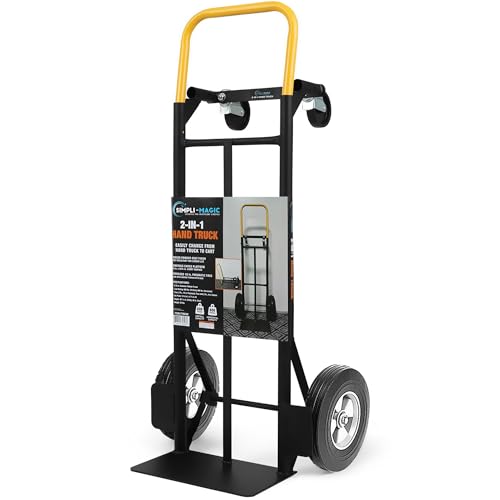
When it comes to transport, protect your remaining possessions with sufficient packing materials. Invest in sturdy boxes, bubble wrap, and packing tape. Disassemble larger pieces to save space and mitigate any potential damage during transit. Label each box clearly for a smoother unpacking experience in your new residence.
Assess Your Furniture Needs for the New Space
Before settling into a new place, I evaluate what items I can strategically retain or part with. This assessment hinges on dimensions of the new area and specific purposes for each piece.

Measure the Space
Accurate measurements of rooms are critical. I take note of wall lengths, ceiling heights, and doorways to ensure my current pieces fit well or if adjustments are necessary. A quick way to organize my findings is through a simple table:
| Item | Current Size (LxWxH) | New Space Compatibility |
|---|---|---|
| Sofa | 80″x35″x34″ | Yes |
| Dining Table | 60″x40″x30″ | No (Consider opting for a smaller model) |
| Bed Frame | 75″x55″x50″ | Yes |
Define Your Lifestyle Needs
I reflect on my daily activities and how each item contributes to my comfort and convenience. For example, if I have frequent guests, maintaining a larger dining table makes sense. Conversely, in a smaller space, multifunctional items, like a sofa bed, are invaluable.
Simplifying the process allows me to prioritize quality, style, and necessity, enhancing my living environment without clutter. Adjusting my inventory based on the new setup guarantees a seamless transition.
Decide What to Keep, Sell, or Donate
I follow a systematic approach to determine the fate of my belongings. First, I categorize items into three groups: keep, sell, and donate. This method simplifies the decision-making process.
Criteria for Keeping
I consider functionality, sentimental value, and space availability. If an item serves a significant purpose in my daily life or evokes strong memories, it stays. I also take measurements of my new location to ensure the pieces will fit comfortably.
Evaluating Sale and Donation Options
For items I no longer need but are in good condition, I explore selling avenues such as online marketplaces or local consignment shops. For pieces that may have less monetary value, I opt for donation, checking organizations that accept gently used goods, as they often pick up directly from my location.
This three-tier system not only reduces clutter but also helps me make thoughtful choices for my new beginning.
Measure Doorways and Staircases for Larger Items
Before attempting to relocate oversized pieces, I measure all door frames and staircases in my current and future locations. This step eliminates potential complications during transportation and placement.
Steps to Measure
- Use a tape measure for accuracy.
- Record the width and height of each doorway.
- Measure the width, height, and depth of staircases, especially if they have landings or sharp turns.
Determine Clearances
Account for any obstacles such as light fixtures, banisters, or other architecture that might impede movement. Validate that each item’s dimensions are compatible with the measured spaces.
If certain items exceed the dimensions of entrances or stairwells, consider alternative solutions. Removing legs or disassembling parts can provide additional space. Enlist help from friends or professionals for delicate handling and maneuvering.
By taking these precise measurements beforehand, I avoid delays and damage during the relocation, ensuring everything fits smoothly into the new residence.
Gather Necessary Packing Materials for Protection
I recommend collecting a variety of packing supplies to safeguard items during relocation. These materials will help prevent damage and ensure everything arrives at the new location intact.
- <strong.Bubble wrap: Ideal for cushioning delicate items, use it generously around glassware and ceramics.
- <strong.Moving blankets: Thick and padded, these are excellent for wrapping larger pieces to shield against scratches and dents.
- <strong.Furniture pads: Specific for heavy items, they offer extra protection and make handling easier.
- <strong.Cardboard boxes: A range of sizes is necessary. Sturdy boxes can hold smaller possessions securely.
- <strong.Packing tape: Invest in high-quality tape to ensure every box seals properly, preventing spills or losses.
- <strong.Markers: Use permanent markers to label boxes clearly, noting contents and destination rooms for quick placement.
- <strong.Scissors or box cutters: Keep these handy for quickly opening or cutting boxes during the unpacking phase.
- <strong.Stretch wrap: Great for keeping drawers shut and bundling small items together, minimizing the chances of misplacement.
Gather all these materials ahead of time, ensuring an organized process and reducing last-minute stress. Preparation is key to safeguarding belongings effectively.
Disassemble Furniture for Easier Transport
Begin disassembly by gathering tools like a screwdriver, wrench, and hammer. Check for any required hardware and keep it organized to avoid losing small parts.
Start with larger items. Remove legs from tables and chairs, as they often make pieces bulky and difficult to fit through tight spaces. If the item is a bed frame, take apart the headboard, footboard, and side rails. For sofas, locate any hidden screws or bolts under cushions and disconnect any modular sections.
Label each piece and hardware bag clearly, indicating what they belong to. This streamlines reassembly at your new location. Use furniture pads to protect surfaces during the process and prevent scratches.
Don’t forget to consult the manufacturer’s instructions if available, as they often provide guidance on disassembly. Also, take pictures of assembled items before dismantling to simplify putting them back together later.
Consider the layout of your new place while disassembling. Minimize the number of large items that require additional effort to navigate doorways and staircases. This method not only reduces hassle but also ensures that all pieces arrive safely at your next destination.
Hire Professionals or Arrange for a Moving Truck
I recommend evaluating the logistics of relocation. If the volume of items is significant, enlisting professionals ensures efficient handling. They possess the expertise to maneuver large pieces safely and protect delicate items. Look for companies that provide liability insurance, giving peace of mind during transit.
If opting for a moving truck rental, consider the size. Renting too small may lead to multiple trips, while an oversized vehicle may waste fuel. Choose a truck with a capacity that aligns with your inventory after thorough assessment. Check local rental services for competitive pricing and availability. Make a reservation in advance, especially during peak seasons.
Ultimately, the decision hinges on personal preference and budget. Whether hiring a service or doing it independently, ensure to have sufficient help on hand. Coordinating a group of friends can ease the burden if taking the DIY route. If I feel uncertain about any aspect, I lean towards professional assistance, valuing their experience over the savings.
Clean and Prepare Items for the New Home
I ensure every piece is thoroughly cleaned before relocation. For upholstery, I vacuum to remove dust and allergens, followed by wiping surfaces with appropriate cleaners. For hard materials, I use a damp cloth along with suitable cleaners to eliminate grime.
If there are any stains, I treat them with specific solutions based on the material type. For example, I use a fabric cleaner for couches and a wood polish for tables. I also check for any smells and address them using odor-neutralizing sprays designed for the particular material.
I then verify that all compartments and hidden areas are free from debris. Pulling out drawers and inspecting them helps in catching anything left behind.
<p.Next, I take measurements to determine if the items fit in the designated spots in the new place. I also document each item’s condition with photos. This process helps me deal with any damages later.
<p.Finally, I protect surfaces by wrapping them in bubble wrap or furniture blankets, ensuring they are shielded during transportation.


