
 Caleb Turner
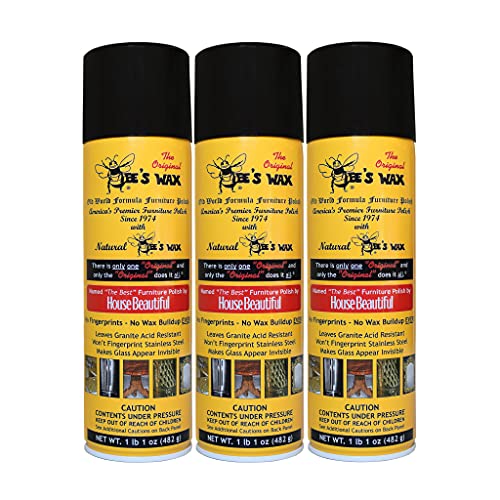
For optimal maintenance of your cabinetry and tables, I recommend using a simple soap and water solution. Mix a few drops of mild dish soap with warm water. Dampen a soft cloth with this solution, ensuring it’s not soaked, and gently wipe down the surface. This method effectively removes dust and light stains without damaging the finish.
Following the initial clean, it’s beneficial to apply a specialized wood conditioner. This product restores moisture and enhances the natural beauty of the grain. Choose a conditioner that suits the specific finish of your item–whether it’s lacquer, oil, or polyurethane. After application, buff the surface with a clean, dry cloth to achieve a polished look.
For stubborn spots or sticky residue, a solution of equal parts vinegar and water can be applied. Moisten a cloth with the mixture, then gently scrub the affected area. Rinse with a damp cloth and dry thoroughly to prevent any moisture damage. Regular maintenance with these techniques keeps your pieces looking fresh and extends their lifespan.


Care for Your Pine Pieces
The best approach involves using a mixture of mild soap and warm water. Dampen a soft cloth in this solution, ensuring it’s not soaked, then wipe the surface gently. Rinse with a clean cloth dampened with plain water to remove any soapy residue.
Targeting Stains
For tougher marks, try a paste made from baking soda and water. Apply it to the stain, then gently rub with a soft cloth in a circular motion. Rinse thoroughly afterward to prevent any residue from impacting the finish.
Maintenance Steps
Regularly dust with a dry microfiber cloth to keep surfaces clear of debris. Consider applying a suitable wax or polish every few months to maintain the protective layer and enhance the natural appearance.
Always test any cleaning method on a hidden spot to ensure compatibility with the finish. By keeping this simple routine, I ensure my treasured items remain beautiful and functional for years to come.
Choosing the Right Cleaning Products for Pine Wood
I recommend opting for natural cleaning solutions that maintain the integrity of the surface. Mild soap mixed with warm water works particularly well; just ensure you use a soft cloth to apply it. Avoid harsh chemicals that can strip away finishes and damage the grain.
Recommended Products
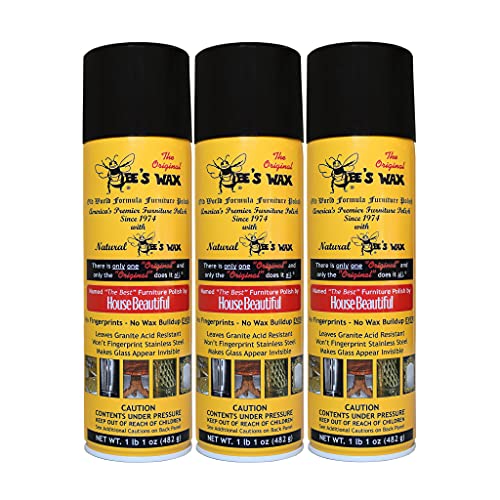
Look for pH-balanced cleaners specifically designed for delicate surfaces. Products containing beeswax can provide nourishment and a protective layer. If stains or residue are present, a mixture of vinegar and water can help; however, it should be used sparingly and rinsed thoroughly.
Extras to Consider
Periodically applying a wood conditioner enhances the texture and appearance. I prefer oils like linseed or tung oil, but ensure they are compatible with the existing finish. Always do a patch test in an inconspicuous area before wider application.
It’s crucial to read labels and select products free of silicones, which can cause buildup over time. With the right approach, your pieces will stay looking fresh and vibrant.
Preparing Your Pine Wood Furniture for Cleaning
Removing dust and debris is the first step I take before any maintenance. I use a soft, dry cloth or microfiber rag to gently wipe down the surfaces, ensuring not to miss crevices where dirt tends to accumulate.
Inspecting for Damage
Before I start any thorough rejuvenation, I carefully check for scratches or dents. If I notice any imperfections, I make a note to address them post-cleaning with appropriate touch-up products.
Gathering the Right Tools
To prepare effectively, I assemble the following items:
- Soft, non-abrasive cloths
- Feather duster or vacuum with a brush attachment
- A mild cleaning solution suitable for natural surfaces
- Soft-bristled brush for intricate details
Having these tools readily available allows me to work more efficiently during the cleaning process.
Test a Small Area Before Full Cleaning
Always check a small, inconspicuous spot before proceeding with any maintenance on your pieces. This initial test will help gauge how the surface reacts to the chosen solution and will prevent potential damage or discoloration on visible areas.
Steps for Testing
1. Select a discrete location, ideally where scratches or other imperfections are already present.
2. Apply a small amount of the cleaning agent on a soft cloth.
3. Gently rub the spot in a circular motion.
4. Wipe away any residue with a clean, damp cloth.
5. Allow it to dry and assess the result for changes in color, texture, or finish.
Interpreting Results
If the tested area retains its appearance and texture, then the formula is likely safe for wider application. If you notice any adverse effects, consider trying a different product or method. This precaution saves time and helps maintain the integrity of your cherished pieces.
Using Soap and Water for General Cleaning
For routine upkeep, a mixture of mild soap and warm water works exceptionally well. I use a gentle dish soap combined with water to create a solution that removes dirt and debris without causing damage.
Preparation of the Cleaning Solution
To prepare the mixture, I typically follow this ratio:
| Ingredients | Measurement |
|---|---|
| Warm water | 1 quart |
| Mild dish soap | 1 tablespoon |
I first mix the soap and water in a spray bottle for easy application. Shake gently to combine without creating excess bubbles.
Application Technique
Using a soft cloth or sponge, I dampen it with the soapy solution, ensuring it’s not overly wet to prevent water damage. I wipe down surfaces with long, even strokes, focusing on areas with visible grime.
After cleaning, I rinse the cloth with plain water and wipe away any soap residue, followed by a dry cloth to ensure the surface is moisture-free. This method keeps the finish smooth and the appearance pristine.
Removing Stains from Pine Surfaces
For stubborn stains, I recommend creating a paste using baking soda and water. Apply this mixture directly to the stain and let it sit for about 10-15 minutes before gently scrubbing with a soft cloth. Rinse with a damp cloth afterward.
Dealing with Water Marks
To eliminate water marks, I use a mixture of equal parts vinegar and olive oil. Gently rub this solution onto the affected area using a soft cloth, following the grain. This method not only removes the marks but also nourishes the surface.
Removing Oil and Grease Stains
For grease marks, cornstarch is effective. Sprinkle it over the stain, let it absorb for several hours, and then vacuum it away. If the stain persists, a small amount of dish soap on a damp cloth can help lift the residue without damaging the finish.
Always finish by buffing with a dry, soft cloth after removing any stains to restore shine and ensure a protective layer.
Polishing Pine Wood to Restore Shine
For regaining the brilliance of your surfaces, I recommend using a high-quality beeswax or a specialized furniture polish. Apply a small amount onto a soft, lint-free cloth, ensuring that the cloth is slightly dampened for even distribution.
Follow these steps for effective polishing:
- Buff a small section of the surface in circular motions, working the polish into the grain to maximize absorption.
- Allow it to sit for a few minutes to enable the product to penetrate fully.
- Use a clean, dry cloth to polish the area further, enhancing the shine and removing any excess product.
Reapply as necessary for a deeper shine, typically every few months, depending on usage and exposure to elements. If the surface feels tacky after polishing, it’s a sign of excess product which requires buffing to achieve a smooth finish.
For additional protection, consider using a clear varnish or sealant after polishing, especially for items that endure frequent use. This not only enhances the aesthetic but also adds a layer of defense against scratches and stains.
Dealing with Scratches and Minor Damage
The use of a walnut half on scratches can work wonders. Rubbing it directly onto the affected area fills in minor imperfections, blending them with the surrounding surface.
A paste made from equal parts of olive oil and vinegar can also effectively mask scuffs. Apply a small amount to a soft cloth and gently rub it into the scratch in a circular motion before buffing it dry.
If deeper scratches are present, a stain marker that matches the finish can camouflage them. Carefully apply the marker along the scratch, letting it dry completely before adding any additional finishing products.
<p.For gouges, using a wood filler that matches the grain, followed by sanding and refinishing, is advisable. After applying the filler, let it cure as directed, then sand it smooth and refinish according to the method originally used.
<p.Regular upkeep prevents further damage. Applying a protective layer periodically not only enhances aesthetics but also fortifies against daily wear and tear.
Regular Maintenance Tips for Pine Wood Furniture
To maintain the beauty and durability of your pieces, I recommend dusting them weekly with a soft, lint-free cloth. This will prevent the buildup of dirt and grime that can dull the finish.
Use Coasters and Placemats
Always place coasters under drinks and placemats under food items. This simple step protects surfaces from moisture rings and heat damage.
Avoid Direct Sunlight
Positioning your items away from direct sunlight can prevent fading and discoloration. If necessary, use window treatments to block harsh rays.
Regularly check for loose joints and retighten screws or bolts as needed. Keeping the structural integrity strong ensures longevity.
If your surfaces start feeling rough to the touch, lightly sand them with fine-grit sandpaper and apply a suitable finish to rejuvenate their surface.
Consider using a protective wax or polish every few months to build up a barrier. This not only enhances the shine but adds an extra layer of protection against spills.
Finally, maintaining proper humidity levels in your space can prevent cracking or warping. Aim for a balance, keeping humidity between 30% and 50% to promote optimal conditions.


