
 Caleb Turner

I recommend using a stain or glaze to enrich the color of your upcycled items. For a subtle enhancement, opt for a water-based glaze. Mix it with a compatible tint to achieve the desired shade and apply it with a soft brush or a cloth. This method allows you to control the intensity of the new color while ensuring it adheres well to the original surface.
If you’re looking for a more robust transformation, consider layering a darker shade of the original hue. After your initial coat has dried thoroughly, gently sand the surface to allow better adhesion of the subsequent layers. Apply one or two coats of the darker paint, ensuring to blend with the edges for a seamless transition.

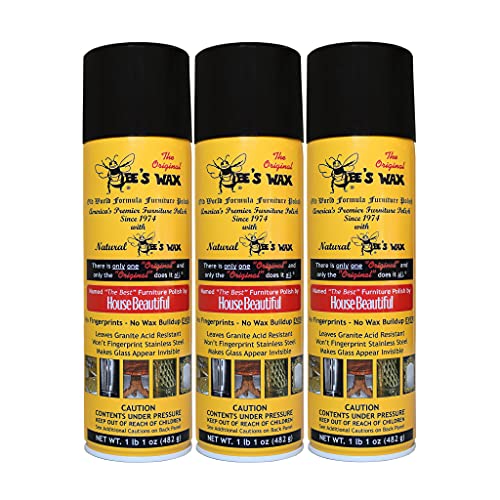

An additional approach involves integrating wax into your finishing routine. Choose a dark wax and apply it sparingly with a soft cloth, focusing on intricacies and crevices. The wax not only adds depth but also provides a protective layer to your creation.
Regardless of the technique you select, thorough preparation is key. Clean the surface to eliminate dust and grease, ensuring optimal bonding. Experiment with these methods on a small area first to see how they affect your piece’s overall harmony.
Techniques for Enhancing the Hue of Your DIY Projects
I recommend mixing a bit of a darker color into your existing mixture. For instance, with black or deep brown, you can create a rich undertone while maintaining the original shade.
Using Glaze
A glaze can effectively alter the visual appeal of your piece. Choose a translucent glaze and apply it with a brush or rag, allowing the base layer to show through. Focus on the grooves and edges to add dimension.
Applying a Dark Wax Finish
For a more aged look, a dark wax finish works wonders. Apply the wax directly onto the surface using a brush or cloth. Wipe away excess wax to achieve your desired depth. This method not only deepens the color but also provides protection.
Experiment with these options to find the perfect finish that aligns with your vision.
Selecting the Right Darkening Method
For achieving a richer hue on your freshly coated surfaces, I recommend considering multiple approaches. Each technique offers a unique outcome, catering to different styles and preferences.
- Staining: Using a wood stain can penetrate the surface more deeply than a traditional finish, resulting in a more dramatic shift in color. Opt for gel stains that provide excellent control over application.
- Wax: A tinted wax can enhance the look while providing a soft sheen. It’s ideal for creating an aged appearance. Applying a dark wax over a lighter base layer can yield a stunning vintage effect.
- Glazing: This method involves applying a glaze after the base layer has dried. A mix of paint and glaze can help achieve a complex, layered look that increases depth and richness considerably.
- Sealing Agent: Some sealers come tinted or may alter the hue of the underlying coat. It’s important to test the sealer on a scrap piece to verify its effect before application.
- Layering Techniques: Consider applying multiple thin layers of different shades. Each application can build on the last, contributing to a more nuanced final result. Allow adequate drying time in between layers.
While experimenting with these options, always perform a patch test on an inconspicuous area to avoid unintended results. Observing how each method reacts with your specific base color will inform your final decision, ensuring satisfaction with the completed project.
Preparing the Surface for Darkening
Ensure that the surface is clean and free of dust. I wipe the entire piece with a damp cloth, removing any dirt or debris that may affect the finish.
Assessing the Condition
Inspect for any imperfections such as scratches or dents. If I find any, I fill these areas with wood filler and sand them smooth once dried. This step helps achieve a uniform look.
Sanding the Surface
Lightly sand the area using fine-grit sandpaper (220 grit is ideal). This process not only creates a better grip for the new layer but also smooths out the existing finish. After sanding, I remove all dust with a vacuum or a tack cloth.
For a more distressed appearance, I can consider sanding selectively to expose layers beneath. After achieving the desired texture, I make sure to clean the surface again thoroughly to prep for the next stage.
Always test a small hidden area first to see how the application interacts with the surface. This allows me to adjust my approach if necessary, ensuring the best outcome.
Choosing the Appropriate Dark Wax
Select a wax that offers a balance between tint and transparency. My preference leans toward a rich, oil-based option that imparts a warm hue without overpowering the base layer. Look for products specifically designed for enhancing surfaces, as they typically provide better adhesion and longevity.
Testing Before Application
Before applying wax, conduct a patch test on a less visible area. This step ensures you’re satisfied with the tone and sheen. Note that darker products can create a significant contrast, so patience is critical when choosing the right shade.
Application Tools
Use a soft, lint-free cloth or a natural bristle brush for even application. I find that both methods provide unique results; cloths allow for smoother transitions, while brushes can reach crevices more effectively. Whichever tool I choose, I always work in small sections for better control and blending.
Applying Dark Wax: Techniques and Tips
I always recommend using a clean, soft cloth when applying dark wax. Begin by dipping the cloth into the wax, ensuring it’s not overly saturated. This prevents excess product from pooling on the surface. It’s crucial to work in small sections to maintain control and achieve an even finish.
Using circular motions, start buffing the wax into the surface, allowing it to fill the grooves and details of the piece. This technique enhances texture and depth, giving the finish a rich appearance. I find that applying a little at a time allows me to build up the intensity gradually, ensuring I don’t overwhelm the surface with color.
For those areas that need more definition, I suggest using a smaller brush or applicator. This gives precision in detailing and lets me focus on specific spots or embellishments. Once satisfied with the application, I’ll let the wax cure for at least 24 hours; this helps with durability and ensures the finish holds up better over time.
If the result turns out too intense, I use a clean cloth to buff away excess wax. This not only softens the look but also ensures a more balanced finish overall. It’s important to test the wax on a discrete area first to see how it interacts with the underlying base.
Finally, I always remind myself to keep the workspace well-ventilated, especially when using various waxes and sealers. This makes the process more enjoyable and safer, enhancing my overall application experience.
Using Glazes for a Darker Finish
To achieve a richer tone, I prefer utilizing glazes. They provide a translucent layer that enhances depth while allowing the underlying surface to shine through. Select a glaze that complements your base color; for example, a chocolate or espresso shade works well over lighter hues, creating an elegant contrast.
Application starts with a clean, dry surface. Use a high-quality synthetic brush or a foam applicator for even distribution. I dip the brush into the glaze, then wipe off excess on a cloth to prevent pooling. This technique allows for controlled application and easy adjustments.
| Step | Description |
|---|---|
| Preparation | Ensure the surface is clean and free of dust. Allow any existing finishes to cure completely. |
| Mixing | Combine the glaze with a compatible clear coat or water for a more subtle effect. |
| Application | Use a brush or foam applicator, working in small sections. Apply evenly and wipe away excess glaze with a clean cloth. |
| Drying | Let the glaze dry fully before applying additional layers or protective coatings. |
| Finishing | Upon drying, top with a clear sealer to protect the hue and add shine. |
For a more customized finish, consider layering different shades of glaze. Start with a base color, add a darker or more contrasting topcoat, and blend. This method can create a unique, multi-dimensional appearance.
Finally, let your work cure for a week to allow the glaze to fully settle and harden. Testing on a smaller, inconspicuous area before full application can help gauge the final outcome. This way, I can ensure the desired results without risking the entire piece.
Layering Paint for a Deeper Tone
For a more intense hue, I recommend applying multiple layers of your chosen finish. Start with a base layer in a shade slightly lighter than your desired final color. Allow it to dry completely before proceeding.
Next, select a slightly darker variant of the same color or a complementary shade. Apply this second layer with a light hand, utilizing a brush or sponge to ensure even distribution. It’s essential to blend the new application seamlessly into the underlying tone.
After the second coat, assess the depth of color achieved. If necessary, repeat the process with an even darker version. Each layer adds richness and complexity, enhancing the overall appearance.
Allow adequate drying time between applications, as it ensures that subsequent layers adhere effectively. During the final coat, experiment with techniques such as feathering or stippling to achieve the desired texture and depth.
Once satisfied with the layered effect, seal with a compatible topcoat that protects the finish while maintaining the color integrity. This approach will give your surface an alluring, custom finish that showcases the beauty of layered tones.
Sealing and Protecting Your Darkened Furniture
To ensure longevity and maintain the rich tone of your recently treated surfaces, applying a sealer is crucial. I recommend using a water-based polyurethane or a clear wax specifically designed for use with darkened finishes. Both options provide a protective layer while enhancing the beauty of the applied treatments.
Applying the Sealant
Begin by ensuring that the darkened surface is completely dry. If using polyurethane, choose a satin or semi-gloss finish for a subtle sheen. Use a high-quality paintbrush or foam applicator for smooth application. Apply thin, even coats, allowing adequate drying time between layers. Typically, two to three coats will offer optimal protection. For wax, use a lint-free cloth in a circular motion, then buff to your desired sheen level after it dries.
Maintenance Tips
Regular maintenance is key to preserving the appearance of your transformed pieces. Wipe surfaces with a damp cloth and avoid harsh cleaners that may strip the protective layer. Reapply wax every six months to a year, depending on the wear and tear. For polyurethane, a light wash and reapplication can usually be done annually to maintain its integrity.
Maintenance Tips for Dark Finish Surfaces
Regular dusting is crucial to keep the surfaces looking their best. A microfiber cloth works wonders to avoid scratching the finish while effectively removing particles.
Cleaning Solutions
For deeper cleaning, I prefer using a mix of gentle soap with warm water. Ensure to dampen the cloth, not saturate it, as excess moisture can harm the finish. Avoid harsh chemicals or abrasive cleaners that could strip the sheen.
Preventing Scratches and Dents
Coasters and placemats are non-negotiable for protecting the finish from heat and moisture. Furthermore, I recommend placing felt pads under items like lamps or decorative pieces to minimize potential damage.
Avoid exposing these surfaces to direct sunlight for prolonged periods; UV rays may fade the color and degrade the finish. Using curtains or shades greatly helps in maintaining the desired look.
In case of minor scratches, I find that applying a small amount of touch-up paint or blending with a wax filler can restore the surface without much effort.
Finally, periodic reapplication of a protective sealant keeps the finish in excellent condition, enhancing its durability while maintaining its aesthetic appeal.


