
 Caleb Turner
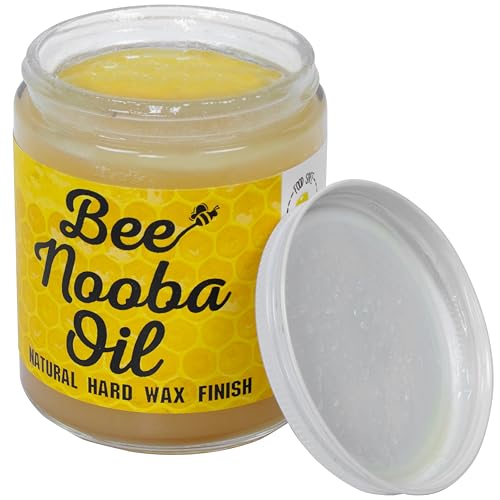
Mix equal parts of vinegar and water in a spray bottle. This simple solution effectively removes dust and grime. Lightly mist the surface and wipe with a microfiber cloth for a polished finish.
For tougher stains, create a paste using baking soda and water. Apply it gently to the affected area and scrub lightly with a soft cloth. Rinse the area with clean water to avoid residue build-up.
To restore shine, consider using a few drops of olive oil on a cloth. Buff the surface using circular motions. This technique nourishes the wood and enhances its natural luster without the use of harsh chemicals.
Essential oils, such as lemon or lavender, can elevate your cleaning routine. Add a few drops to your vinegar solution for a pleasant aroma while ensuring a fresh and inviting space.
Natural Care for Wooden Surfaces
I prefer using a mixture of equal parts of vinegar and olive oil for treating my hardwood items. This blend not only removes grime but also helps hydrate the wood, imparting a subtle sheen.
For stubborn spots, I create a paste using baking soda and water. Gently rub this on the affected area with a soft cloth, then wipe away with a damp rag. It tackles tough stains effectively while being gentle on the surface.
Regular upkeep includes dusting with a microfiber cloth to avoid scratches. I find that this simple practice maintains the aesthetic without harmful chemicals.
To keep the wood’s luster, I apply lemon juice mixed with water. This natural polish enhances shine and leaves a fresh scent. Just a light buffing with a clean cloth does the trick.
Lastly, I ensure my pieces are protected from direct sunlight. Utilizing curtains or placing them away from windows helps prevent fading and cracking, prolonging their life significantly.
Choosing the Right Natural Cleaners for Oak
Vinegar and water work well for maintaining the beauty of your hardwood. Mix one part white vinegar with three parts water in a spray bottle. Lightly mist the surface and wipe it with a soft, lint-free cloth.
For a gentle polish, create a blend of olive oil and lemon juice. Use a ratio of three parts olive oil to one part lemon juice. This mixture nourishes the wood while providing a subtle shine.
Baking soda can tackle tougher stains. Make a paste by mixing baking soda with water and apply it directly to the stain. Allow it to sit for a few minutes, then gently scrub with a soft cloth before wiping it clean.
Castile soap is another excellent choice. Mix a few drops in warm water and use it for a deeper wash. This soap is biodegradable and free from harsh chemicals, making it safe for maintaining your wooden pieces.
Essential oils can be added to any of these mixtures for a pleasant scent and additional antibacterial properties. A few drops of tea tree or lavender oil will enhance the cleaning solution. Use them sparingly to avoid overwhelming fragrances.
Preparing Your Oak Furniture for Cleaning
Before initiating the cleaning process, I ensure the surface is free of loose dust and debris. Employing a soft microfiber cloth or a dry dusting tool effectively collects particles without scratching the wood.
Gathering Supplies
- Soft cloths for dusting.
- Vacuum cleaner with a brush attachment.
- Basin for homemade cleaning solutions.
- Natural oils or vinegar for polishing.
Assessing the Surface
I check for any sticky residues or stains. Using a cloth dampened with water can help identify problem areas. Avoid soaking the material, as excess moisture can cause damage.
- If I notice scratches, I may consider using a walnut or specialized wood repair solution.
- Inspect any joints or hinges to ensure they’re intact and functioning properly.
After preparation, my next step is to choose appropriate cleaning agents to maintain the integrity and shine of the piece.
Techniques for Dusting and Wiping Wooden Surfaces
I recommend using a microfiber cloth for both dusting and wiping. Microfiber efficiently captures dust without scratching the finish, making it ideal for delicate varnishes.
Dusting Techniques
- Use a dry microfiber cloth to trap dust particles. Avoid damp cloths as they may leave streaks.
- Wipe surfaces in a circular motion. This technique prevents dust from settling.
- In hard-to-reach corners, utilize a small brush or a soft paintbrush to dislodge dust.
Wiping Techniques
- For damp cleaning, lightly moisten a microfiber cloth with a mixture of water and vinegar. Avoid soaking the fabric to prevent liquid damage.
- Test any cleaner on a hidden area before proceeding with visible surfaces.
- Employ a straight line wipe method for bigger surfaces and follow with a dry cloth to absorb any excess moisture.
Always work in sections to ensure all areas are thoroughly addressed without letting any residue dry. Regular maintenance will enhance the appearance and longevity of your wooden pieces.
Removing Stains from Oak Furniture with Natural Solutions
I recommend using a mixture of baking soda and water for tackling tough marks. Create a paste by combining equal parts of each and apply it directly to the stained area with a soft cloth. Gently rub the paste in a circular motion for a few minutes, then wipe off with a damp cloth and dry thoroughly.
For water rings, use a mixture of equal parts olive oil and white vinegar. Dampen a cloth with this solution and massage it into the affected area. The oil nourishes the wood while the vinegar helps lift the moisture that caused the stain.
If there’s a sticky residue from spills, a paste of flour and vinegar can be effective. Apply it to the sticky spot and let it sit for about 10-15 minutes before wiping it away with a damp cloth.
In cases of grease stains, cornstarch can absorb the oil. Sprinkle it over the stain, allow it to sit for a few hours or overnight, then brush it off with a soft brush.
Lastly, for ink or other hard-to-remove marks, rubbing alcohol can help. Dampen a cotton ball with it and gently blot the stain. Make sure to test a small inconspicuous area first to avoid any damage.
Polishing Oak Furniture Using Homemade Mixtures
I recommend creating a simple yet effective polish using a blend of olive oil and white vinegar. Mix two parts of olive oil with one part of vinegar in a spray bottle. Shake well before use. Spray a small amount onto a soft cloth and gently buff the surface to achieve a glossy finish.
For a citrus-infused alternative, combine one cup of olive oil with half a cup of lemon juice. The acidity of the lemon helps break down grime while the oil nourishes the wood. Apply this mixture similarly with a cloth, ensuring to wipe off any excess for a streak-free shine.
Another option involves beeswax and mineral oil. Melt a tablespoon of beeswax and mix it with half a cup of mineral oil. Once it cools and thickens, apply a small amount to a soft cloth and rub it into the surface. This creates a protective barrier against moisture and enhances the natural luster of the surface.
For a refreshing scent, mix one part coconut oil with one part vinegar. This combination not only polishes but also leaves behind a pleasant aroma. After application, allow it to sit for a few minutes before buffing to a shine.
Always test any homemade mixture on a small, inconspicuous area to ensure compatibility with the finish. Regular polishing with these mixtures not only enhances appearance but also extends longevity.
Maintaining the Finish of Oak Furniture Naturally
For long-lasting beauty, applying a mixture of beeswax and olive oil every few months works wonders. I combine one part beeswax with three parts olive oil, melting them together. This blend nourishes the wood while providing a protective layer that enhances its natural grain.
Regularly check for signs of wear. If the surface appears dull, it’s time to reapply the wax mixture. First, ensure the surface is clean and free from dust. I prefer to use a soft cloth for this task, as it won’t scratch the finish. After applying the wax, buff with a clean cloth in small circular motions for a brilliant shine.
Using a humidifier in dry environments helps prevent cracks and splits in the wood. I maintain modest humidity levels to protect my pieces from environmental damage.
It’s beneficial to avoid placing items that cause scratches, like metal or ceramic objects, directly on the surface. Always use coasters and mats to preserve the finish, ensuring that my items don’t mar the wood.
For minor repairs, I mix equal parts vinegar and water. I use it sparingly with a soft cloth, targeting specific areas that need a touch-up. This provides a gentle refresh without stripping the existing finish.
Additionally, I avoid using commercial waxes or polishes that contain harsh chemicals. Instead, I always stick to organic options to keep the natural beauty of the wood intact.
Here’s a simple table outlining the maintenance schedule:
| Action | Frequency |
|---|---|
| Wax application | Every 2-3 months |
| Dusting | Weekly |
| Humidity check | Monthly |
| Minor touch-ups | As needed |
By following these steps, I maintain the stunning appearance and longevity of my wooden treasures while honoring their natural elegance.


