
 Caleb Turner
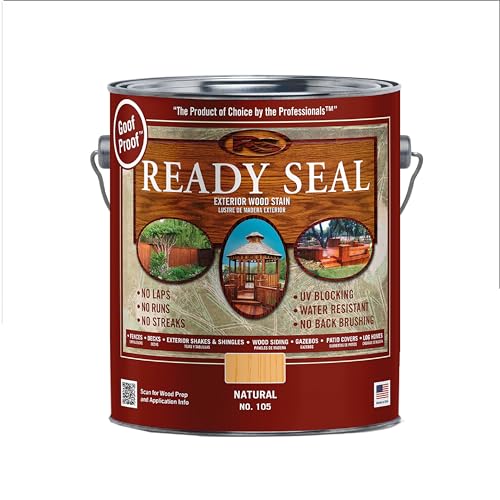
Typically, I find it best to wait around 24 hours after applying a coat of stain on wood surfaces before considering it to be fully cured. However, this duration can vary based on specific factors such as temperature and humidity levels in the environment.
In warmer and drier conditions, I have observed that finishes might reach a touch-dry stage within just a few hours, while in cooler or more humid spaces, the process might extend to a couple of days. Always ensure to check the product label for manufacturer guidelines, as these recommendations are pivotal for achieving optimal results.
When applying multiple layers, I allow a minimum of 4 to 6 hours between coats to ensure proper adhesion and a smooth finish. Using a fan or ensuring adequate ventilation can significantly speed up the evaporation process, but I still exercise patience to prevent any mishaps during the final cure.
Duration for Curing Wooden Treatments
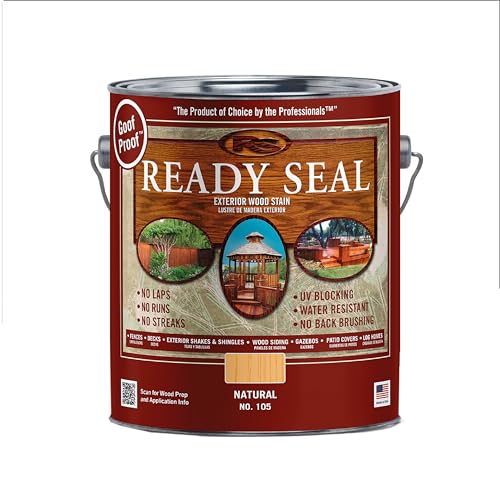
Typically, I observe that most wooden treatments will be ready to touch within 1 to 2 hours. However, full hardness can require up to 24 hours, depending on environmental factors.


Factors Influencing Curing Time
Humidity levels and temperature play crucial roles in the process. For instance, higher humidity can impede the evaporation rate, prolonging the curing period. Optimum temperatures between 70°F and 75°F can significantly enhance the drying process.
Recommended Curing Times for Different Products
| Product Type | Touch Dry | Fully Cured |
|---|---|---|
| Oil-based Stains | 6-8 hours | 24-48 hours |
| Water-based Stains | 1-2 hours | 6-12 hours |
| Gel Stains | 2-4 hours | 12-24 hours |
Always keep a fan nearby for improved airflow, which can accelerate the process. Be cautious of light traffic and avoid placing any items on the surface until fully cured.
Factors Influencing Stain Drying Time
The drying duration of wood finish depends on several specific factors:
1. Type of Stain
- Oil-based products typically require more time to become completely set compared to water-based options.
- Gel stains may also exhibit varied drying durations, often influenced by application thickness.
2. Environmental Conditions
- Humidity levels can significantly affect the evaporation rate; lower humidity usually leads to quicker evaporation.
- Temperature plays a critical role; higher temperatures enhance drying speed, while colder conditions can prolong it.
- Air circulation accelerates the drying process, making well-ventilated spaces ideal.
3. Application Thickness
- Thicker layers of product may result in extended drying times, as excess moisture takes longer to evaporate.
- Applying multiple coats necessitates considering the drying intervals recommended by the manufacturer.
In my experience, monitoring these elements closely can help achieve optimal results and prevent frustrations with improper finish setting. Adjusting the application method or choosing a different product based on these factors can lead to more efficient outcomes.
Types of Stains and Their Drying Durations
Water-based options typically require 1 to 2 hours to develop a firm surface but may be susceptible to smudging until fully cured, which could take up to 24 hours.
Oil-based formulations usually need 6 to 8 hours to feel dry to the touch. Complete curing might extend beyond 24 hours, depending on environmental factors.
Gel stain products offer a thicker consistency, drying within approximately 4 to 6 hours for handling. However, full hardness can take up to 72 hours.
Color-enhancing stains vary by formulation but often dry within a range of 2 to 4 hours. Always check the specific product guidelines.
Here’s a brief overview:
- Water-based: 1-2 hours (touch), 24 hours (fully cured)
- Oil-based: 6-8 hours (touch), 24+ hours (cured)
- Gel: 4-6 hours (touch), up to 72 hours (cured)
- Color-enhancing: 2-4 hours (touch), follows product guidance for curing
Choose based on your needs and always adhere to manufacturer recommendations for optimal results.
Temperature’s Impact on Stain Drying
Higher temperatures accelerate evaporation, reducing the time needed for your finish to set. Ideally, maintaining room temperatures between 65°F to 75°F (18°C to 24°C) is optimal for quick results.
When conditions drop below 60°F (15°C), the drying process can slow significantly. At these lower temperatures, the solvent in the stain evaporates slowly, which can lead to extended wait periods and potential issues with adhesion.
Humidity also plays a critical role; elevated moisture levels can hinder drying. Aim for a humidity level below 50% for best results. If humidity is high, consider using a dehumidifier or heating the space to enhance air circulation and lower moisture levels.
| Temperature Range (°F) | Drying Speed |
|---|---|
| Below 60 | Slow drying, potential adhesion issues |
| 60 – 65 | Moderate drying, watch for surface tackiness |
| 65 – 75 | Optimal drying, uniform finish |
| Above 75 | Fast drying, risk of uneven application |
For consistent outcomes, always check product labels for specific temperature guidelines related to the particular stain you are utilizing. Adjusting your workspace environment can significantly improve your finishing efforts.
Humidity Levels and Their Effects on Drying
Optimal humidity levels hover around 40-60% for effective drying. Exceeding this range can considerably prolong the process. High humidity creates a saturated environment, limiting the evaporation of solvents and water from the applied products. In exceptionally humid conditions, I’ve noticed that finishes can remain tacky for days, hampering completion. Conversely, low humidity encourages rapid evaporation, which might seem beneficial but can lead to issues like uneven application or cracking.
When I work in environments with humidity above 70%, I adjust my strategy: using dehumidifiers or heating systems can help mitigate excessive moisture. A fan can also circulate air, aiding in the drying process. Always monitor local weather forecasts to plan activities. Using a hygrometer gives precise measurements, allowing better control of the workspace conditions.
In summary, understanding humidity and its direct impact on drying behavior enables better project management. By tailoring environmental conditions, I can achieve optimal results with various finishing products.
Surface Preparation for Faster Drying
Achieving optimal results begins with a well-prepared surface. Ensure that the area to be treated is clean, dust-free, and smooth. Use fine-grit sandpaper to remove any old finishes or imperfections. This creates a more uniform surface that allows the applied product to adhere better and evaporate moisture more efficiently.
Cleaning Methods
Wipe down the surface with a damp cloth after sanding to eliminate dust particles. Follow this with a suitable solvent like denatured alcohol or mineral spirits to degrease the surface. Ensure complete drying before applying any finish. This step enhances absorption and, consequently, accelerates the evaporation process.
Temperature and Ventilation
Aim for a temperature range between 60°F to 80°F (15°C to 27°C) during application. Adequate airflow is equally vital; consider using fans to promote ventilation. This further helps in moisture removal, thus speeding up the process. Avoid applying any product in high humidity environments to optimize results.
Best Practices for Applying Furniture Stain
Apply in thin, even coats to maximize absorption and minimize runs. For best results, use a high-quality natural bristle brush or a foam applicator, as both help achieve smooth application. Start from one end and work your way to the other, following the grain of the wood.
Test the product on a scrap piece of wood or an inconspicuous area first. This allows you to evaluate the color and finish before committing to the entire piece. If you seek a darker shade, multiple coats are usually necessary. Allow each layer to set according to the manufacturer’s instructions, usually a few hours.
Utilize an environment with controlled temperature and humidity. A well-ventilated area helps disperses vapors and supports quicker setting. During application, avoid direct sunlight, as it can cause uneven drying and affect color consistency.
Use clean, lint-free cloths for wiping off excess product. This prevents blotchiness and ensures a uniform finish. Wipe in the direction of the grain and apply just enough pressure to remove the surplus without compromising the base coat.
Consider using a pre-stain conditioner on softwoods to reduce uneven absorption. This preparation step can lead to a more uniform outcome, making the application smoother overall.
Always follow the manufacturer’s instructions regarding procedures and drying times. Patience during this process leads to a higher-quality finish you’ll appreciate in the long run.
Testing Dryness of Your Stain
To confirm that the applied finish is ready for the next step, I recommend checking with the fingertip test. Gently press your finger onto a discrete area of the surface. If it feels tacky or leaves a mark, additional time is necessary. A dry finish should not leave any residue.
Visual Indicators
Observing the appearance can also provide clues. A fully cured hue will appear consistent and should not show any dull patches. If noticeable streaks or variations remain, it indicates that further drying is in progress.
Time Guidelines
While waiting, it’s beneficial to follow the manufacturer’s drying recommendations found on the product label. Typical ranges may vary based on specific types of products, so consulting these guidelines aids in monitoring readiness accurately.
Common Mistakes That Delay Drying Time
Applying too much product is a frequent error. Thick layers create a barrier that slows evaporation. Instead, aim for thin, even coats to ensure quicker results.
Skipping surface preparation is another common oversight. Dust, grease, and previous finishes can interfere with adhesion and drying. Make sure to clean and sand the surface before starting the staining process.
Using improper tools, such as worn brushes or unsuitable rags, can also hinder timely drying. Select high-quality, clean brushes and lint-free cloths to optimize application.
Environmental conditions matter significantly. Staining in cold or very humid areas can extend drying periods. Aim for a temperature around 70°F (21°C) with moderate humidity for optimal conditions.
Failing to ventilate the workspace can trap moisture and prolong the curing process. Ensure good airflow by opening windows or using fans during and after application.
Inaccurate Timing Practices
- Not allowing enough time between coats causes overlapping applications that need longer to set.
- Rushing the drying process may tempt one to apply additional layers prematurely.
- Skipping the recommended wait times between stages can compromise the final finish.
Inadequate Final Curing
Assuming that a stain is fully set after the initial drying phase is misleading. Always allow sufficient curing time before putting items back on the surface to avoid sticking or smudging.
Recommendations for Optimal Drying Conditions
Maintain a temperature between 70°F to 75°F (21°C to 24°C) for the quickest results. Higher warmth accelerates evaporation, while lower temperatures slow it down dramatically.
Ensure ventilation by opening windows and using fans. This airflow assists in evaporating solvents more efficiently, promoting quicker results.
Humidity Control
Aim for humidity levels below 50%. High moisture in the air leads to longer curing times; using a dehumidifier can mitigate this issue.
Surface Preparation and Application Techniques
Prepare surfaces meticulously. Sanding and cleaning are vital to prevent irregularities that may trap moisture. Apply thin coats to enhance penetration and speed up drying processes.
Choose appropriate tools based on the stain consistency; brushes offer control, while rags facilitate even distribution. This choice impacts how well the product adheres and dries.


