Caleb Turner

To identify authentic hides, inspect the surface closely. Genuine materials often display subtle variations in texture and color, unlike synthetic versions, which tend to have a uniform appearance. Look for natural scars or markings, as they indicate authenticity.
Another effective method is the “water test.” Applying a few drops of water to the surface will show how the material reacts; if absorbed quickly, it’s likely genuine. Conversely, man-made options often repel moisture.
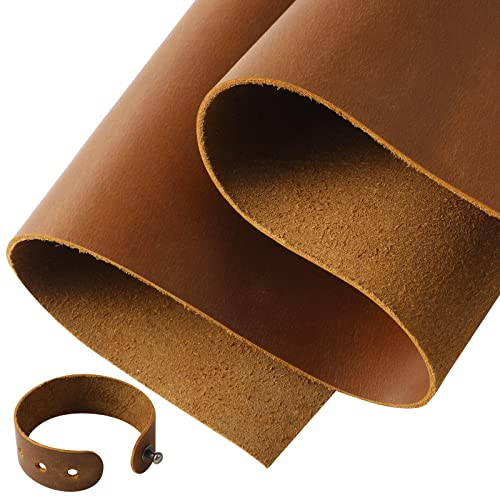
Check the edges; real hides will have a raw, unfinished look, while synthetics are usually perfectly sealed and processed. Additionally, the smell is telling: authentic leather exudes a rich, earthy aroma, a quality that is hard to replicate.


Lastly, examine the weight. Quality hides are heavier than their faux counterparts, offering a sense of durability and long-lasting use. By following these guidelines, I can confidently assess whether materials are authentic or synthetic.
Recognizing the Smell of Genuine Hides
Upon approaching an upholstery piece, a distinct scent can reveal its authenticity. Authentic hides emit a rich, earthy aroma that is hard to replicate. This natural fragrance differs significantly from synthetic materials, which often carry a chemical or plastic-like odor.
Identifying Characteristics
Inhaling deeply, I notice the warm, slightly musky scent typical of genuine skins. Unlike man-made substitutes, the smell of real hides is organic, reminiscent of nature. If I detect a strong, artificial smell or an overwhelming fragrance, it’s likely a synthetic product disguised as real leather.
Context Matters
The environment in which the item is found can amplify the olfactory experience. In areas with high humidity or moisture, I find that genuine leather releases a more pronounced scent. Conversely, dry environments might dull the aroma. Thus, assessing the smell in various contexts helps refine my judgment of authenticity.
Examining the Surface Texture
Inspect the surface for natural imperfections. Genuine hide displays variations in texture, such as scars or stretch marks, which synthetic materials often lack.
Run your fingers over the surface. Authentic leather feels soft yet firm, with a slight grain. Synthetic options tend to be overly smooth or shiny, lacking depth.
Assessing the Finish
- Look for a matte finish, typical of true leather. Shiny surfaces may indicate a synthetic origin.
- Check for uneven surfaces. Natural hides have slight irregularities, while manufactured products are uniform.
Comparison Touch
Touch is crucial. If you have access to other samples, compare textures side by side. Real hide tends to have a rich, organic feel, whereas fake alternatives may feel cold or plastic-like.
Conducting a Water Test
A water test provides a simple yet effective way to assess the authenticity of a material. To execute this test, follow these steps:
Steps to Perform the Water Test
- Take a small amount of water, about a teaspoon.
- Drop the water onto the surface of the item.
- Observe the behavior of the liquid.
Interpreting the Results
If the water beads up and remains on the surface, this indicates a synthetic alternative rather than genuine hide. Authentic hide absorbs moisture over time, leading to a darkening of the area where the water was applied. It is essential to let the water sit for a minute or so before making a judgment.
- If the water is absorbed quickly, it suggests authenticity.
- If the water sits undisturbed, it likely signals a synthetic surface.
Keep in mind that consistent application of moisture might damage the integrity of some synthetic materials, so use caution when testing. This method offers valuable insights but should be part of a broader evaluation strategy when assessing the caliber of upholstery.
Checking for Natural Imperfections
To assess authenticity, I examine the surface for natural flaws that indicate genuine hide. Look closely for small scars, wrinkles, or unique patterns in the grain. These features showcase the natural beauty of the material, as no two pieces are identical. Synthetic alternatives tend to have a uniform appearance without such irregularities.
Common Natural Flaws
| Imperfection | Description |
|---|---|
| Scars | Marks from insect bites or scratches, adding character. |
| Wrinkles | Natural folds that demonstrate flexibility and comfort. |
| Color Variation | Diverse hues and tones arising from the dyeing process. |
Feeling the Surface
I also touch the material to feel for variations in texture. Authentic hide feels warm and supple, with a slight give when pressed. In contrast, synthetic options may feel cold and overly smooth, lacking depth. Testing for these tactile sensations enhances my evaluation process.
Identifying the Backing Material
Check the underside of the upholstery. Genuine hides often feature a suede-like texture, while synthetic options may display a smoother or more uniform appearance.
Look for stitching patterns on the backing. Authentic leather generally has a more rugged, less uniform stitching, as it’s more difficult to sew without visible irregularities.
Inspecting the Edges
Observe the edges of the material. Natural skin has unfinished or raw edges that can fray slightly, contrasting synthetic trims that are often sealed or smoothed for neatness.
Conducting a Tear Test
If possible, gently pull back a corner of the material. Genuine hides will split in a way that shows multiple layers, whereas synthetic options will typically come apart in one piece. Use caution to avoid causing damage.
By examining the backing material carefully, making these observations helps in recognizing the authenticity of the upholstery used.
Understanding the Price Point
Examine the cost closely. Authentic hide typically has a higher price tag due to the quality and craftsmanship involved. When I evaluate a piece, I keep in mind that genuine material is an investment, often starting at around $1,000 for basic items and going significantly higher for premium brands.
Look out for significant discounts that may suggest the use of synthetic substitutes. If the price is too good to be true, it probably is. Mid-range pieces between $500 and $1,000 can sometimes be a blend of authentic hide and imitation, which can lead to confusion.
In addition to the base price, consider the brand reputation. Those with established credibility in the industry often reflect the true value of their offerings in pricing. I check for well-known designers or manufacturers, as they often guarantee quality materials that justify their higher costs.
Also, be aware of pricing inconsistencies across retailers. If multiple sources price the same item vastly differently, it can indicate quality differences. Researching multiple sellers helps me assess whether I’m looking at true craftsmanship or budget alternatives.
Lastly, don’t overlook warranty and care information that may accompany the purchase. Genuine materials often come with extended warranties, which signal confidence from manufacturers about durability and longevity. This adds to the overall value of the purchase when I consider the long-term use of such an investment.
Assessing the Stitches and Seams
I prioritize examining the stitching and seams, as they can reveal much about the authenticity of the hide used. Genuine hides often feature tight, even, and consistent stitching. I look closely for double-stitched seams, which add durability and indicate craftsmanship. Inauthentic materials may show uneven or loose stitching, sometimes with gaps that compromise integrity.
Paying attention to the thread color and type also helps; natural fibers are typically used in quality work. I check for any signs of fraying threads, which can indicate poor construction common in synthetic options. When inspecting, I also consider the overall alignment of the seams; poorly aligned or crooked stitches suggest haste in manufacturing.
Additionally, I handle different sections of the item, as premium hides tend to have seamless sections that enhance appearance and minimize stress points. If I find an abundance of visible seams in areas that should be smooth, it may be a sign of lower-quality material. In essence, I see stitching and seams as a key indicator of the authenticity and quality of the item.
Evaluating the Durability Over Time
Inspect the aging patterns and how well the material holds up against wear. A genuine hide becomes richer in character as it matures, showcasing patina and natural markings. Look for signs of cracking or peeling, which indicate lower quality synthetic alternatives. Maintaining a discerning eye on edges and seams will reveal if the craftsmanship supports lasting use.
Signs of Authentic Aging
Observe the color and texture changes that occur over years. Authentic hides develop a unique sheen and may darken in areas that receive frequent contact. Check for consistent wear across surfaces; authentic materials age gracefully without obvious degradation.
Maintenance Considerations
Regular conditioning with appropriate products prolongs life by keeping the fibers supple. Note how the material reacts to different cleaning agents; genuine leather responds positively, while synthetics may deteriorate. Invest time in understanding care instructions to ensure longevity, preserving both appearance and resilience.
Researching the Manufacturer’s Claims
Investigate the brand’s reputation and history. Established companies often provide honest details about their products. Check their official website for certifications or assurances related to materials used in their items.
Read customer reviews and testimonials. Feedback from previous buyers can reveal if their experiences match the manufacturer’s claims. Look for comments that specifically mention the authenticity of materials.
Contact the manufacturer directly with questions. Reputable businesses are willing to clarify their production processes and sourcing of materials. This dialogue can provide valuable insights into the quality and authenticity of the piece.
Examine third-party certifications. Some manufacturers may obtain approvals from industry organizations that validate material claims. Look for logos or mentions of these certifications in product descriptions.
Keep an eye on the terminology used. Companies that promote their goods as “genuine leather” typically refer to real animal hides, while terms like “synthetic” or “leather-like” generally indicate lower-quality alternatives.
Investigating the manufacturer’s background and claims can significantly influence the decision-making process. Make sure to weigh all gathered information before concluding on the authenticity of the upholstery material.